
Nurses face daily pressures that can lead to exhaustion. A burnout prevention plan worksheet offers structured support for those in nursing careers. It helps professionals track habits and set clear boundaries at work.
- Identify personal stress triggers early each shift.
- Schedule short breaks to restore energy levels.
- Track sleep patterns and daily nutrition choices.
- Set realistic goals for workload management.
- Build a support network with trusted colleagues.
- Review progress weekly to adjust the plan.
- Incorporate simple mindfulness practices during shifts.
Recognizing Signs of Burnout in Healthcare Settings
Healthcare workers often overlook early warning signs. Fatigue may appear as constant tiredness after shifts. Irritability can affect patient interactions over time.
Professionals in this field know that physical symptoms matter. Headaches and muscle tension signal rising stress levels. Emotional numbness may reduce empathy during care.
Industry experts suggest regular self checks. These checks reveal patterns before issues grow. Nursing students benefit from learning these signs early.
Research indicates workload plays a major role. High patient ratios increase risk across facilities. Leaders can help by monitoring team well being.
Developing a Burnout Prevention Plan Worksheet
Start with a simple template that fits daily routines. List key areas such as rest, nutrition, and support. Fill in specific actions for each area.
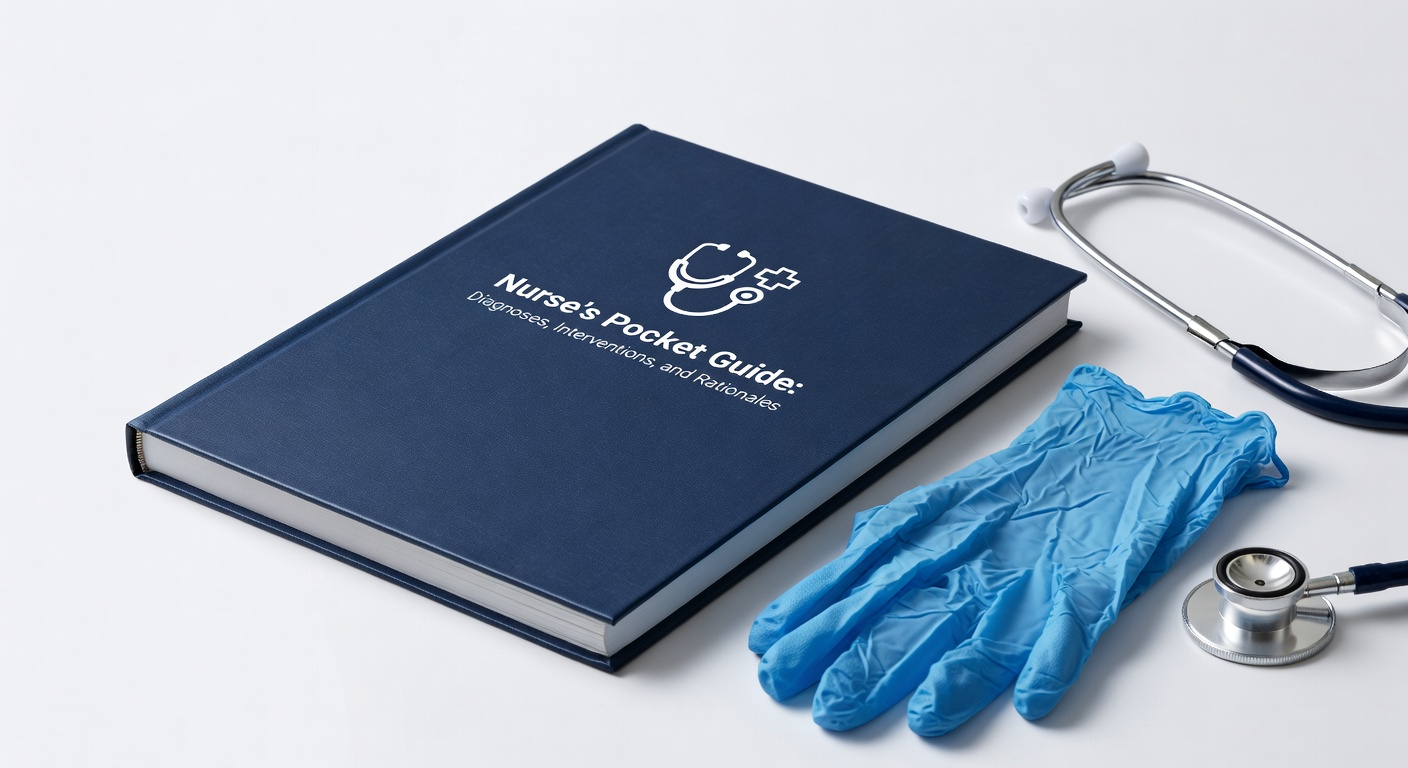
As an Amazon Associate, we earn from qualifying purchases.
Include space to note weekly reflections. This step helps track what works best. Adjust entries based on real experiences at work.
As an Amazon Associate, we earn from qualifying purchases.
Connect the worksheet to wellness self care practices. These practices strengthen overall resilience in nursing careers. Consistent use builds better habits over months.
Review the worksheet at the end of each week. Celebrate small wins to stay motivated. Share insights with mentors for added guidance.
Implementing the Worksheet in Professional Development
Apply the worksheet during team meetings for support. Colleagues can discuss shared challenges openly. This approach strengthens group morale in busy units.
Link personal goals to broader soft skills leadership growth. Better communication reduces misunderstandings on shifts. Training sessions can include worksheet reviews.

American Nurses Association resources provide extra tools. These tools align with daily nursing demands. Professionals gain practical ideas from trusted sources.
World Health Organization guidelines emphasize prevention. Staff can adapt these ideas to local settings. Regular updates keep the plan relevant and useful.
Monitoring Progress and Adjusting Strategies
Track energy levels at the start and end of shifts. Note any improvements after using the worksheet. Small changes often lead to steady gains.
Adjust entries when new stressors appear. Flexibility keeps the plan effective long term. Nursing students can start this habit during training.
Discuss results with supervisors for feedback. Open talks improve workplace support systems. This step supports sustained success in healthcare roles.
Revisit goals every month to stay on track. Celebrate milestones to maintain momentum. Consistent effort protects against future burnout risks.
Building Long Term Resilience Through Daily Habits
Combine the worksheet with healthy routines outside work. Exercise and hobbies restore balance after long shifts. These habits support overall career longevity.
Encourage peers to create their own versions. Shared ideas create stronger team connections. Nursing careers thrive when support flows both ways.
Stay consistent even during busy periods. Short daily entries prevent major setbacks later. This method builds lasting professional strength.
Review the full plan quarterly for updates. Life changes require plan adjustments over time. The result is better well being across healthcare teams.
Frequently Asked Questions
How do I create a burnout prevention plan worksheet for my nursing shift?
Begin by listing your main stress points from recent shifts. Add simple actions like scheduled breaks and hydration reminders. Review the sheet at the end of each week to note what helped most. Adjust entries based on your energy patterns and patient load. This process supports steady progress in demanding healthcare roles.
What sections should a burnout prevention plan worksheet include for healthcare workers?
Include areas for sleep tracking, meal planning, and emotional check ins. Add columns for support contacts and weekly reflections. Keep the layout clear so it fits into a busy schedule. Update the sheet regularly to match changing demands in nursing careers. The structure helps maintain focus on key habits.
Can nursing students use a burnout prevention plan worksheet during clinicals?
Yes these roles benefit from early planning habits. Students can note clinical stressors and recovery steps each day. The worksheet builds awareness before full time positions begin. Mentors can review entries for helpful feedback. This practice prepares students for long term success in this field.
How often should I update my burnout prevention plan worksheet in healthcare positions?
Update the sheet weekly to capture new patterns. Monthly reviews allow bigger adjustments when needed. Keep entries brief to fit into existing routines. Consistent updates prevent small issues from growing larger. Positions in this industry reward steady attention to personal limits.
Where can I find templates for a burnout prevention plan worksheet?
Many professional sites offer free versions tailored to nurses. Customize any template to match your specific shift demands. Print or digital formats both work well for daily use. Combine ideas from multiple sources for the best fit. These resources help maintain balance across healthcare careers.
Final Thoughts
A burnout prevention plan worksheet gives nurses clear steps to manage stress. Regular use protects energy and improves patient care quality. Small daily actions lead to stronger careers over time.
Healthcare professionals who adopt this tool see real benefits. They build resilience while advancing in their roles. Start today to create lasting positive change.
Explore more ideas in wellness self care for added support.