
Mental health challenges affect many in the healthcare field. Nurses and nursing students often face high demands. This leads to discussions around mental health in healthcare workers statistics. Professionals in this field know these numbers highlight real needs.
- Track daily stress levels to spot early signs of strain.
- Seek peer support groups within your workplace.
- Use available employee assistance programs regularly.
- Prioritize short breaks during shifts for mental reset.
- Build routines that include physical activity after work.
- Connect with mentors for career and wellness guidance.
- Review personal boundaries to prevent overload.
Mental Health in Healthcare Workers Statistics Overview
Research indicates rising awareness of mental health needs. Nurses encounter unique pressures daily. These pressures include long shifts and emotional patient care. Industry experts suggest monitoring trends helps guide better policies.
Healthcare workers report various stress factors. Nursing students prepare for similar realities ahead. Data shows patterns in burnout across roles. Professionals note the value of early intervention programs.
Support systems play a key role here. Facilities now offer more resources than before. Nursing careers benefit from these changes over time. Experts recommend regular check ins with supervisors.
Understanding broader patterns aids personal planning. Many in healthcare turn to proven coping methods. This approach supports long term career satisfaction. Training programs often include mental health modules now.
Common Challenges for Nurses and Students
Shift work disrupts normal sleep patterns often. This affects mood and focus during duties. Nursing students balance studies with clinical hours too. Such demands create ongoing mental strain for many.
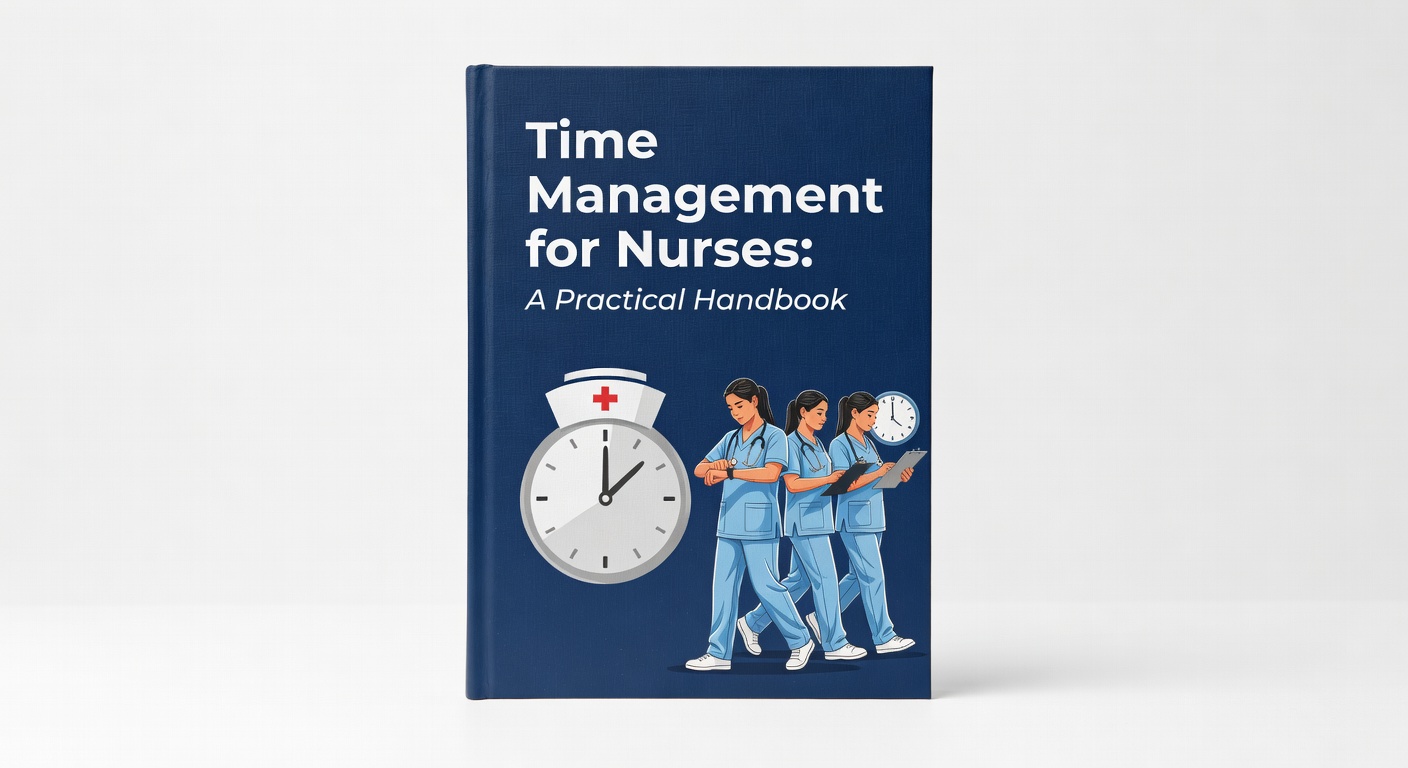
As an Amazon Associate, we earn from qualifying purchases.
Patient outcomes weigh heavily on staff minds. Errors can lead to guilt and self doubt. Professionals in this field know these experiences accumulate. Open discussions reduce isolation in tough times.
As an Amazon Associate, we earn from qualifying purchases.
Workplace culture influences how issues are handled. Some settings encourage seeking help openly. Others still carry old stigmas around mental health. Change comes from leadership setting positive examples.
Resources like counseling make a difference. Access varies by location and employer. Nursing professionals note the need for consistency. Advocacy helps expand options across the industry.
Impact on Professional Development
Mental health influences career growth directly. High stress can slow skill building efforts. career growth opportunities suffer without proper support. Balanced minds lead to stronger performance reviews.
Certifications require steady focus and study time. Mental strain interrupts preparation for these goals. licensing and certification paths become harder under pressure. Planning ahead includes mental wellness checks.

Leadership roles demand clear decision making. Poor mental health clouds judgment at critical moments. Training in soft skills helps build resilience. Many advance by addressing these areas early.
Networking events offer support and ideas. Connections with others in similar roles provide relief. Shared stories normalize challenges faced daily. Growth happens through both professional and personal care.
Practical Strategies for Better Wellness
Daily routines support mental stability in healthcare. Start with simple breathing exercises between tasks. This practice calms the nervous system quickly. Consistency brings noticeable improvements over weeks.
Physical activity complements mental care efforts. Short walks during breaks refresh the mind. Nutrition also plays a supporting role here. Balanced habits sustain energy through demanding shifts.
Time management reduces unnecessary stress buildup. Prioritize tasks based on urgency and impact. Tools like checklists help maintain control. Nursing careers improve with these organized approaches.
Professional help remains an important option. Therapists familiar with healthcare issues understand specifics. American Nurses Association provides guidance on available aids. Early action prevents larger problems later.
Support Resources in the Industry
Many organizations focus on worker well being now. Hotlines offer confidential listening and referrals. Hospitals provide on site counseling in some cases. Access these without fear of judgment.
Peer programs connect staff with trained listeners. These groups meet regularly for open talks. Nursing students benefit from campus versions too. Shared experiences foster stronger community bonds.
Policy changes support better mental health outcomes. Advocacy from within pushes for more funding. World Health Organization highlights global needs in this area. Local efforts align with these broader goals.
Education on signs of distress helps everyone. Workshops teach recognition and response steps. This knowledge empowers teams to assist each other. Prevention works better than reaction in most cases.
Building Long Term Resilience
Resilience grows through repeated positive habits. Reflection time at shift end aids processing. Gratitude practices shift focus toward positives. These build emotional strength gradually.
Boundaries protect personal time and energy. Learn to say no to extra demands. This preserves capacity for core responsibilities. Nursing professionals note better satisfaction as a result.
Continuous learning includes mental health topics. Courses on stress management add useful tools. Career advancement pairs well with self care. Balanced individuals contribute more to teams.
Monitoring personal mental health in healthcare workers statistics trends informs choices. Adjust habits based on what works best. Support from colleagues strengthens overall efforts. Sustainable careers depend on these foundations.
Frequently Asked Questions
What are the main mental health in healthcare workers statistics trends today?
Trends show ongoing stress from high patient loads and irregular schedules. Nurses often report fatigue that affects daily life. Support programs help address these patterns effectively. Many facilities track data to improve conditions over time. Regular reviews lead to better resource allocation for staff.
How do mental health in healthcare workers statistics affect nursing students specifically?
Students face added pressure from exams and clinical rotations. These combine with financial and time concerns. Early awareness helps them build coping skills now. Programs on campus provide targeted assistance for this group. Preparation reduces future risks in professional roles.
Where can nurses find reliable support for mental health needs?
Many turn to workplace employee assistance programs first. These offer confidential options without career risks. Professional associations list additional local resources too. Colleagues often share recommendations based on experience. Consistent use leads to stronger outcomes in this field.
Why do these roles show high mental health concerns?
Positions in this industry involve emotional labor daily. Exposure to illness and loss adds unique weight. Shift patterns disrupt rest and personal time. Industry experts suggest these factors combine to raise risks. Awareness drives better prevention efforts across settings.
What steps help improve mental health in this field?
Start with small daily habits like short mindfulness sessions. Seek feedback from trusted peers on workload balance. Use available training on stress reduction techniques. Track progress and adjust as needed over months. These actions support sustained careers in healthcare.
Final Thoughts
Mental health in healthcare workers statistics reveal important patterns for the industry. Nurses and healthcare professionals benefit from proactive steps. Resources and habits support lasting careers in this area.
Take time to explore support options available now. Small changes lead to meaningful improvements. wellness self care plays a central role here. The field advances when individuals prioritize their own well being.