
For nurses and healthcare professionals, the journey of caring for dying patients is both profound and challenging. These experiences, often shared as nurse stories of dying patients, offer unique insights into the emotional and professional aspects of nursing. They shape careers, build resilience, and teach invaluable lessons about compassion. This article dives into these narratives, highlighting their impact on nursing careers and healthcare delivery.
- Reflect on patient stories to build emotional strength in nursing roles.
- Use these experiences to enhance empathy in patient interactions.
- Seek peer support to process difficult end-of-life care moments.
- Develop coping strategies to manage grief and professional stress.
- Share stories to educate and inspire future nursing students.
- Prioritize self-care to maintain mental health in tough situations.
The Emotional Weight of Nurse Stories of Dying Patients
Nurses often form deep connections with patients, especially during end-of-life care. These bonds, while meaningful, carry a heavy emotional toll. Stories of dying patients frequently reveal moments of heartbreak, hope, and humanity. For many in healthcare, these experiences become defining points in their careers.
Consider a nurse who sits with a terminally ill patient, holding their hand as they share final thoughts. Such moments test emotional resilience. They demand a balance between professionalism and genuine empathy. Nurses must navigate their own feelings while supporting families in grief.
These nurse stories of dying patients also highlight the importance of emotional intelligence. Healthcare professionals learn to read subtle cues, offering comfort without words. Over time, these interactions build a deeper understanding of loss. They shape how nurses approach every future patient encounter.
For nursing students, hearing these narratives provides a glimpse into real-world challenges. It prepares them for the emotional demands of the job. Industry experts suggest debriefing after such cases to process feelings. This practice helps maintain mental clarity and prevents burnout in demanding roles.
Lessons in Compassion from End-of-Life Care
Compassion lies at the heart of nursing, especially in end-of-life scenarios. Nurse stories of dying patients often reveal how small acts of kindness leave lasting impacts. A gentle word or a comforting touch can ease a patient's final moments. These stories teach healthcare professionals the power of presence.

As an Amazon Associate, we earn from qualifying purchases.
One common theme in these narratives is the value of listening. Patients nearing the end often want to share memories or fears. Nurses who take time to listen provide immense comfort. This skill becomes a cornerstone of effective patient care across all settings.
As an Amazon Associate, we earn from qualifying purchases.
Moreover, these experiences reinforce the need for cultural sensitivity. Patients and families may have unique beliefs about death and dying. Understanding these perspectives ensures respectful care. Nurses grow professionally by adapting to diverse needs in critical moments.
For those in nursing careers, such lessons are vital for growth. They inform how professionals handle grief and support others. Resources from the American Nurses Association offer guidance on compassionate care. These tools help nurses refine their approach to sensitive situations.
Coping Strategies for Nurses Handling Loss
Dealing with death is an inevitable part of nursing, yet it never becomes easy. Nurse stories of dying patients often include reflections on personal grief. These accounts show how professionals develop mechanisms to cope with loss. Finding healthy outlets is essential for long-term career sustainability.
Many nurses turn to peer support groups to share their experiences. Discussing challenging cases with colleagues helps normalize feelings of sadness. It fosters a sense of community in high-stress environments. This connection is crucial for emotional well-being in healthcare.
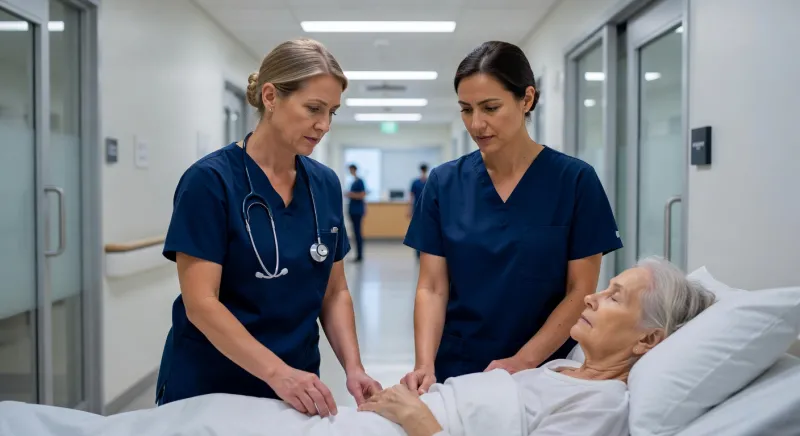
Journaling is another effective strategy highlighted in these stories. Writing about patient interactions allows nurses to process emotions privately. It serves as a therapeutic release after intense shifts. Over time, this habit builds resilience against emotional fatigue.
Healthcare professionals also benefit from professional resources and training. Programs focused on grief management equip nurses with practical tools. For more on maintaining mental health, explore topics at wellness and self-care for nurses. These strategies ensure nurses remain effective despite frequent exposure to loss.
Professional Growth Through End-of-Life Experiences
End-of-life care, while challenging, offers unique opportunities for professional development. Nurse stories of dying patients often underscore how these moments refine clinical and interpersonal skills. They push nurses to grow in ways routine cases cannot. Each experience adds depth to a healthcare career.
For instance, managing a patient's pain in their final hours hones critical thinking. Nurses must make quick decisions under emotional pressure. These situations teach prioritization and adaptability. Such skills translate to all areas of patient care.
Additionally, these stories reveal the importance of communication. Nurses learn to deliver difficult news with clarity and empathy. They guide families through complex medical choices with sensitivity. This expertise strengthens trust between healthcare providers and patients' loved ones.
Nursing students can draw inspiration from these narratives for their own growth. They highlight the need for continuous learning in this field. For further insights on advancing skills, check out resources at career growth for nurses. These stories ultimately shape well-rounded, capable professionals.
The Role of Team Support in Processing Grief
In healthcare settings, teamwork is vital for managing the emotional impact of death. Nurse stories of dying patients often mention the strength found in colleagues. Sharing the burden of loss with a trusted team lightens the load. It creates a supportive environment for healing.
After a patient passes, nurses frequently debrief with their unit. These discussions allow staff to express grief openly. They also provide a space to honor the patient's memory. Such practices reinforce camaraderie among healthcare workers.
Team support also extends to formal counseling services in many facilities. Nurses can access therapists trained in grief management. This professional help is invaluable during tough times. It ensures emotional struggles do not hinder patient care quality.
Industry experts emphasize the global need for such support systems. Organizations like the World Health Organization advocate for mental health resources in healthcare. Team dynamics play a key role in sustaining nurses. Together, they navigate the challenges of end-of-life care.
Final Thoughts
Nurse stories of dying patients offer profound lessons for healthcare professionals at all levels. They reveal the emotional depth of nursing, teaching compassion, resilience, and communication. These narratives shape careers by highlighting the human side of medicine. They remind nurses and students why their work matters.
For those in the field, reflecting on these experiences fosters growth. It encourages the development of coping strategies and team reliance. Explore more on balancing professional challenges at wellness and self-care for nurses. Take time to process and learn from each story.
Ultimately, sharing and learning from these accounts strengthens the nursing community. It builds a legacy of empathy and skill. Embrace these lessons to enhance patient care and personal well-being.
Frequently Asked Questions
What are nurse stories of dying patients?
Nurse stories of dying patients are personal accounts shared by healthcare professionals about their experiences with end-of-life care. These narratives often detail emotional moments, challenges, and lessons learned while supporting patients in their final stages. They highlight the human connection between nurses and those they care for. For many, these stories serve as a way to process grief and honor patients. They also educate others in the field about the realities of such care. Nursing students especially benefit from understanding these profound interactions.
How do nurses cope with the death of a patient?
Nurses cope with patient deaths through various strategies tailored to their emotional needs. Many rely on peer support, discussing cases with colleagues to share the burden. Journaling personal experiences helps process feelings after tough shifts. Professional counseling, often available through workplaces, offers structured guidance. Engaging in self-care activities also prevents emotional exhaustion. Exploring nurse stories of dying patients can provide insights into effective coping methods for others in similar roles.
Why are end-of-life care experiences important for nurses?
End-of-life care experiences are crucial for nurses as they build essential skills like empathy and communication. These moments teach professionals how to support families during grief with sensitivity. They also enhance clinical decision-making under emotional stress. Reflecting on these cases fosters resilience for future challenges. Many find that such experiences define their purpose in healthcare. They ultimately shape a nurse's ability to provide compassionate care.
How can nursing students learn from patient loss stories?
Nursing students can learn from patient loss stories by gaining insight into the emotional demands of the profession. These accounts prepare them for real-world scenarios involving grief and empathy. They also teach the importance of self-care and seeking support when needed. Listening to or reading these narratives helps build a foundation for handling sensitive situations. Students can discuss these stories in training to develop coping strategies early. This prepares them for the realities of patient care roles.
What support systems help nurses after a patient's death?
Support systems for nurses after a patient's death include both personal and professional resources. Colleagues often provide immediate emotional support through debriefing sessions. Many hospitals offer access to counselors trained in grief management. Peer groups and mentorship programs also create safe spaces for sharing feelings. Online communities and professional organizations provide additional outlets for connection. These networks ensure nurses do not face loss alone in their careers.