
For nurses, nursing students, and healthcare professionals, mastering patient relations in healthcare is essential to providing quality care and building trust. This critical aspect of the profession goes beyond clinical skills. It encompasses communication, empathy, and understanding patient needs. This guide dives deep into why patient relations matter in nursing careers and offers actionable strategies to excel in this area.
- Focus on active listening to understand patient concerns fully.
- Use clear, simple language when explaining medical terms.
- Show empathy by acknowledging patient emotions and fears.
- Build trust through consistent and respectful interactions daily.
- Address cultural differences to provide personalized, sensitive care.
- Collaborate with colleagues for a unified patient experience.
- Seek feedback to improve communication and relationship skills.
Why Patient Relations in Healthcare Matter to Nurses
Patient relations in healthcare form the foundation of effective nursing practice. Nurses are often the primary point of contact for patients. Strong relationships can improve patient outcomes and satisfaction. Poor relations, however, may lead to mistrust or non-compliance.
For nursing professionals, building rapport with patients is not just a soft skill. It directly impacts clinical results. When patients feel heard, they are more likely to follow treatment plans. This trust can reduce anxiety and improve recovery rates.
Moreover, patient relations affect workplace dynamics. Nurses with strong interpersonal skills often report better teamwork and less stress. This skill also enhances career growth. Employers value nurses who excel in patient interactions.
Nursing students must prioritize this skill early on. Developing empathy and communication now prepares them for real-world challenges. Programs often include training on bedside manner for this reason. Mastering this area sets a solid career foundation.
Key Skills for Building Strong Patient Relations
Effective patient relations in healthcare hinge on specific, learnable skills. Communication tops the list for nurses and healthcare workers. Clear, compassionate dialogue helps patients feel safe. It also prevents misunderstandings during critical moments.
As an Amazon Associate, we earn from qualifying purchases.
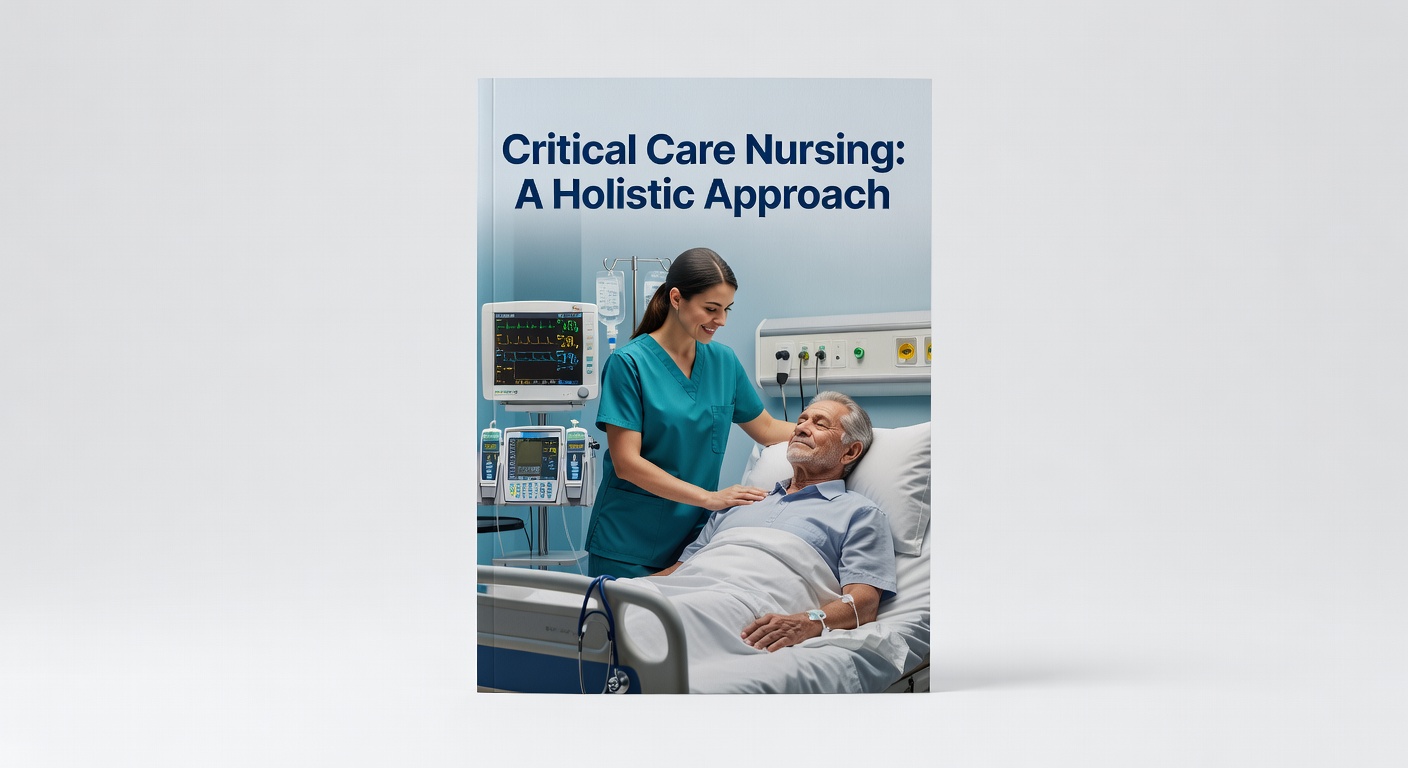
Empathy is equally vital in this field. Nurses must recognize and validate patient emotions. This connection fosters trust and comfort. Small gestures, like a reassuring touch, often make a big difference.
As an Amazon Associate, we earn from qualifying purchases.
Active listening is another crucial skill for healthcare professionals. It involves fully focusing on what patients say. Nurses should avoid interruptions and ask clarifying questions. This shows genuine interest in patient concerns.
Cultural competence also plays a key role. Patients come from diverse backgrounds with unique beliefs. Nurses must respect these differences to provide tailored care. Training in cultural sensitivity, often available through resources like the American Nurses Association, can help.
Challenges Nurses Face in Patient Relations
Navigating patient relations in healthcare is not without obstacles. Nurses often deal with high-stress environments. Heavy workloads can limit time for meaningful patient interactions. This can strain relationships and affect care quality.
Language barriers pose another common challenge. Patients with limited English proficiency may struggle to express needs. Nurses must find ways to bridge this gap. Tools like translators or visual aids can assist.

Emotional burnout also impacts patient relations. Constant exposure to suffering takes a toll on nurses. This can reduce empathy over time. Seeking support through resources on wellness and self-care is crucial.
Lastly, difficult patients or families can test patience. Some may be frustrated or uncooperative. Nurses must remain professional despite tension. Training in conflict resolution helps manage such situations effectively.
Strategies to Improve Patient Relations in Nursing
Enhancing patient relations in healthcare starts with intentional effort. Nurses can begin by prioritizing small, consistent interactions. A warm greeting or personal question shows genuine care. These moments build trust over time.
Setting clear expectations is also key. Nurses should explain procedures and timelines upfront. This reduces patient anxiety and builds confidence. Transparency is a cornerstone of strong relationships.
Collaboration with other healthcare providers matters too. Nurses should ensure consistent messaging across teams. Patients notice when staff are aligned. This unity enhances their overall experience.
Continuous learning is vital for improvement. Nurses can seek training on soft skills. Resources from organizations like the World Health Organization offer global insights. Exploring topics on soft skills and leadership can also boost expertise.
Impact of Patient Relations on Career Growth
Strong patient relations in healthcare directly influence nursing careers. Nurses who excel in this area often stand out. They receive positive feedback from patients and supervisors. This can lead to promotions or leadership roles.
Healthcare facilities prioritize patient satisfaction scores. Nurses with excellent relational skills contribute to higher ratings. This boosts the reputation of their workplace. It also enhances job security and opportunities.
For nursing students, mastering this skill early is advantageous. It sets them apart during clinical rotations. Future employers notice candidates with strong interpersonal abilities. This can open doors to competitive positions.
Additionally, patient relations skills are transferable. They apply to mentorship, education, and management roles. Nurses seeking advancement should focus here. Building these connections fuels long-term professional success.
Final Thoughts
Patient relations in healthcare remain a cornerstone of nursing excellence. For nurses and healthcare professionals, mastering this skill enhances patient outcomes and career prospects. It requires dedication, empathy, and continuous learning.
Nursing students and seasoned professionals alike must prioritize these connections. Small efforts in communication and understanding yield significant results. Explore more insights on career-building strategies at career growth.
Take action today by reflecting on patient interactions. Identify areas for improvement and seek relevant training. Strong patient relations elevate both care quality and professional standing.
Frequently Asked Questions
How can nurses improve patient relations in healthcare?
Nurses can enhance patient relations in healthcare by focusing on communication. Active listening to patient concerns builds trust quickly. Small gestures like maintaining eye contact show genuine care. Training in empathy and cultural sensitivity also helps. Nurses should seek feedback from patients to refine approaches. Resources from professional organizations offer valuable guidance too.
What challenges do nurses face in patient relations?
Nurses often face challenges in patient relations in healthcare due to time constraints. Heavy workloads limit meaningful interactions with patients. Language barriers can hinder clear communication as well. Emotional burnout reduces empathy over time. Difficult patients or families may create tension. Seeking support and training helps manage these issues effectively.
Why are patient relations important for nursing careers?
Patient relations are vital for nursing careers because they impact outcomes. Strong bonds with patients improve compliance and satisfaction. This skill also enhances teamwork and reduces workplace stress. Nurses who excel here often advance faster. Positive feedback from patients boosts professional reputation. It opens doors to leadership opportunities.
How does cultural competence affect patient interactions?
Cultural competence significantly shapes patient interactions for nurses. Understanding diverse beliefs ensures respectful, personalized care. It helps avoid misunderstandings or unintended offense. Nurses must adapt communication styles to different backgrounds. Training in this area builds stronger connections. It ultimately improves trust and treatment adherence.
What resources help nurses build better patient connections?
Nurses can access various resources to strengthen patient connections. Professional organizations offer training on communication and empathy. Online courses and workshops focus on soft skills. Peer support groups provide practical advice and encouragement. Hospital programs often include bedside manner training. These tools help refine approaches in this field.