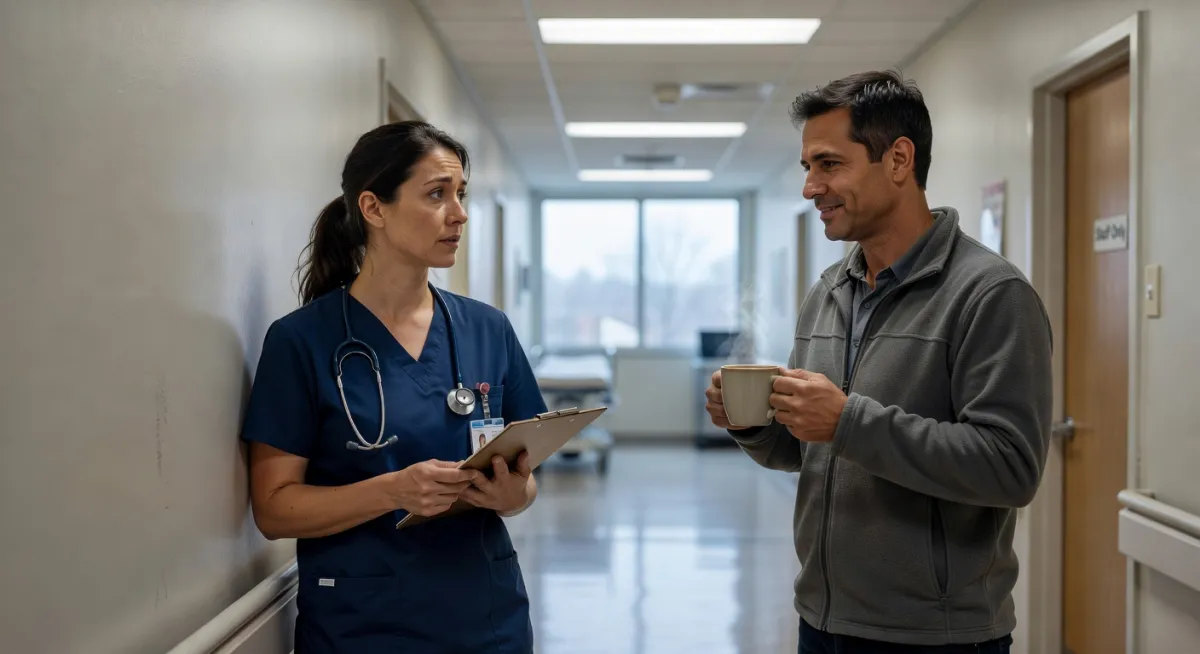
For nurses, nursing students, and healthcare professionals, the demanding nature of the job often takes a toll on mental and physical well-being. Peer support in healthcare workers has emerged as a vital resource to combat stress and foster resilience. This critical system allows individuals in the field to lean on one another for emotional and professional backing. Filed under the 'Peer Support' category, this article explores how such networks build stronger teams and healthier workplaces for those in nursing and beyond.
- Peer support helps reduce stress among healthcare workers by offering a safe space to share challenges.
- It fosters teamwork, improving communication and collaboration in high-pressure environments like hospitals.
- Nurses can gain practical advice from peers who understand the unique demands of patient care.
- Such support boosts mental health, helping professionals cope with burnout and compassion fatigue.
- Peer networks encourage skill-sharing, enhancing professional growth for nursing students and staff.
- They create a sense of belonging, vital for retention in demanding healthcare roles.
- Engaging in peer support builds resilience, preparing workers for future challenges.
Why Peer Support Matters for Healthcare Workers
In the high-stakes world of healthcare, emotional and mental strain is common among nurses and other professionals. Peer support in healthcare workers provides a lifeline during tough times. It offers a unique understanding that only colleagues in the same field can provide. This connection helps validate feelings of stress or frustration often faced on the job.
Hospitals and clinics are fast-paced, leaving little room for personal reflection or recovery. Peers who share similar experiences can offer empathy and practical solutions. For instance, a nurse struggling with a difficult shift might find solace in a colleague's shared story. This mutual understanding reduces feelings of isolation in the workplace.
Moreover, peer support builds a culture of trust within healthcare teams. When nurses and staff feel supported, they communicate better with each other. This directly impacts patient care, as cohesive teams make fewer errors. Industry experts suggest that supportive environments lead to safer, more effective workplaces.
For nursing students, peer support is equally crucial during training. Adjusting to clinical rotations and academic pressures can be overwhelming. Connecting with fellow students or mentors eases this transition. It also helps build confidence before entering the professional world.
How Peer Support Enhances Mental Health in Nursing
Mental health challenges are a significant concern for healthcare professionals, especially nurses. Long hours, emotional labor, and life-or-death decisions weigh heavily on their minds. Peer support in healthcare workers acts as a buffer against burnout and anxiety. It creates an outlet for discussing personal and professional struggles openly.

As an Amazon Associate, we earn from qualifying purchases.
Nurses often face compassion fatigue from constant patient interaction. Sharing these feelings with peers who understand prevents emotional exhaustion. A simple conversation during a break can make a difference. It reminds professionals they are not alone in their experiences.
As an Amazon Associate, we earn from qualifying purchases.
Organizations like the American Nurses Association emphasize the value of mental health resources. Peer support fits into this framework by offering informal, accessible help. Nurses can discuss coping strategies or seek advice on managing stress. This grassroots approach complements formal counseling or therapy options.
For those in rural or understaffed facilities, formal resources may be limited. Here, peer support becomes even more critical. Colleagues can step in to provide encouragement and guidance. Nursing professionals note that such interactions often prevent small issues from becoming major crises.
Building Stronger Teams Through Peer Networks
Teamwork is the backbone of effective healthcare delivery, and peer support strengthens these bonds. When nurses and staff trust each other, they collaborate more efficiently. Peer support in healthcare workers fosters this trust by encouraging open dialogue. It breaks down barriers that might hinder teamwork in stressful settings.
For example, a nurse facing a complex patient case might hesitate to ask for help. A supportive peer network makes it easier to seek input without fear of judgment. This exchange of ideas often leads to better patient outcomes. It also builds a sense of camaraderie among staff members.

In larger hospitals, departmental silos can create disconnects between teams. Peer support helps bridge these gaps by promoting cross-departmental friendships. Nurses who connect with colleagues outside their unit gain broader perspectives. This enhances overall cohesion in the workplace.
Nursing students benefit from team-oriented peer support as well. Early exposure to collaborative environments prepares them for future roles. They learn how to rely on others while contributing their own strengths. Explore more on building teamwork through soft skills and leadership.
Peer Support as a Tool for Professional Growth
Beyond emotional benefits, peer support in healthcare workers drives professional development. Nurses and staff learn from each other's experiences on the job. This informal mentorship helps refine clinical skills and workplace strategies. It's a practical way to grow without formal training.
For instance, a seasoned nurse might share tips on time management during rounds. A newer colleague can adopt these methods to improve efficiency. Such exchanges often cover niche challenges not addressed in textbooks. They provide real-world insights that enhance job performance.
Nursing students also gain from peer interactions during clinicals or study groups. Peers can explain complex concepts in relatable terms. This collaborative learning builds a strong foundation for their careers. It also fosters a habit of lifelong learning in the field.
Healthcare facilities that encourage peer support often see higher retention rates. When professionals feel valued and supported, they stay longer. This stability benefits both staff and patients. Check out more on advancing your career at career growth.
Overcoming Barriers to Peer Support in Healthcare
Despite its benefits, establishing peer support in healthcare workers faces challenges. Time constraints in busy hospitals often limit meaningful interactions. Nurses working back-to-back shifts may struggle to connect with colleagues. This can hinder the development of supportive networks.
Additionally, stigma around discussing mental health persists in some settings. Healthcare professionals might fear appearing weak if they seek help. This cultural barrier prevents open conversations about stress or burnout. It's a hurdle that requires active effort to overcome.
Leadership plays a key role in addressing these obstacles. Managers can allocate time for team-building activities or support groups. They can also promote a culture where vulnerability is accepted. The World Health Organization advocates for workplace policies that prioritize staff well-being.
For nurses and students, small steps can make a difference. Initiating casual check-ins with peers during breaks builds rapport. Joining or forming support groups within facilities helps too. Over time, these efforts create a stronger foundation for peer support.
Practical Ways to Foster Peer Support Among Nurses
Creating a culture of peer support in healthcare workers starts with actionable steps. Nurses can begin by reaching out to colleagues during downtime. A quick chat about shared challenges can spark deeper connections. This simple act lays the groundwork for trust.
Healthcare facilities should also organize regular peer support sessions. These could be informal meetings or structured debriefs after tough shifts. Such spaces allow nurses to process emotions and share coping tips. They also normalize seeking help within the team.
Nursing students can form study or support groups with classmates. These groups provide academic help and emotional backing during training. Sharing struggles with peers reduces stress and builds lasting bonds. It prepares them for collaborative work in clinical settings.
Technology can aid peer support as well. Online forums or group chats let nurses connect across shifts. These platforms ensure support is accessible even in busy schedules. Encouraging such tools can enhance overall workplace well-being.
Frequently Asked Questions
How does peer support help healthcare workers with stress?
Peer support in healthcare workers plays a vital role in managing stress by offering a safe space to vent. Nurses and staff can share their struggles with colleagues who truly understand the pressures. This shared experience reduces feelings of isolation during tough times. It also provides practical coping strategies from those who've faced similar challenges. For instance, a peer might suggest mindfulness techniques that worked for them. Overall, this support helps prevent burnout and boosts emotional resilience.
What are the benefits of peer support for nursing students?
Peer support in healthcare workers, including nursing students, offers numerous advantages during training. It helps them navigate the stress of clinical rotations and exams with encouragement. Fellow students can share study tips or emotional backing during setbacks. This builds confidence and prepares them for professional challenges ahead. Additionally, forming these bonds early creates a network for future career support. It's a foundation for teamwork in real-world healthcare settings.
Can peer support improve patient care in hospitals?
Absolutely, supportive networks among staff directly enhance patient care quality. When nurses and professionals lean on each other, they communicate better as a team. This reduces errors and ensures smoother workflows in high-pressure environments. A supported staff member is also more focused and empathetic with patients. Stronger teams, built through these connections, create safer care settings. It's a ripple effect that benefits everyone involved.
How can nurses start a peer support group at work?
Nurses can initiate a support group by identifying colleagues with shared interests or challenges. Start small with casual conversations during breaks to gauge interest. Propose a regular meet-up time, even if it's just monthly, to discuss experiences. Seek approval from management to use a quiet space for gatherings. Promote the group through internal channels like bulletin boards or chats. Consistency and openness will help build trust over time.
Why is peer support sometimes hard to access in healthcare?
Accessing supportive networks in this field can be challenging due to time constraints. Nurses often work long, irregular shifts with little downtime for connection. Cultural stigma around mental health discussions also plays a role. Some fear judgment for admitting they need help or emotional backing. Understaffing in facilities can further limit opportunities for interaction. Addressing these barriers requires leadership support and intentional scheduling adjustments.
Final Thoughts
Peer support in healthcare workers stands as a cornerstone for emotional and professional well-being. It equips nurses, nursing students, and other professionals to face the unique challenges of their roles. By fostering trust, reducing stress, and enhancing teamwork, such networks create healthier workplaces. The benefits extend beyond individuals to improve patient care and staff retention.
Healthcare facilities and individuals must prioritize building these connections. Small actions, like starting a conversation or organizing a group, can spark meaningful change. Explore more resources on maintaining well-being at wellness and self-care to complement peer support efforts.
Take the first step today by reaching out to a colleague or joining a network. Together, healthcare workers can build a stronger, more supportive community. This collective strength is essential for thriving in such a demanding field.