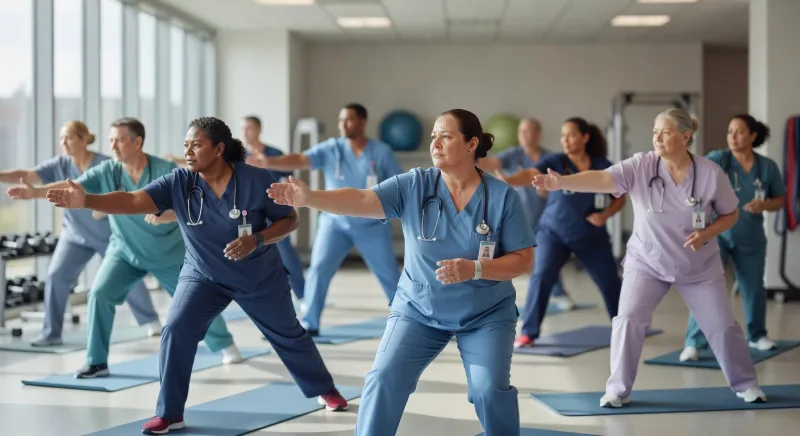
Nurses and healthcare professionals face demanding schedules that often leave little time for personal care. The physical toll of long shifts, constant movement, and emotional stress can impact overall health. Addressing this through targeted physical wellness activities for nurses is essential to maintain energy and prevent burnout. This article explores actionable strategies to integrate wellness into busy routines, directly supporting the needs of nursing students and professionals. Filed under Physical Wellness, it focuses on practical ways to prioritize physical health in a high-stress field.
- Schedule short, daily walks during breaks to boost circulation and reduce fatigue.
- Join workplace fitness challenges to stay motivated with colleagues in healthcare.
- Practice stretching routines at home to ease muscle tension after shifts.
- Explore low-impact activities like yoga to improve flexibility and mental focus.
- Use wearable trackers to monitor steps and set achievable activity goals.
- Prioritize hydration and quick, healthy snacks to sustain energy levels.
- Engage in team sports with peers for social and physical benefits.
Why Physical Wellness Matters for Nurses
Physical wellness is a cornerstone for nurses who endure long hours on their feet. The healthcare environment demands stamina, often leading to exhaustion or injury if not managed. Neglecting this aspect can result in chronic pain or reduced job performance. Prioritizing physical wellness activities for nurses helps sustain their ability to care for others.
Industry experts suggest that regular activity combats the sedentary moments during charting or downtime. Even small efforts, like standing stretches, can prevent stiffness. Nurses often lift patients or equipment, risking back strain without proper conditioning. Building strength through targeted exercises becomes a professional necessity.
Beyond personal health, wellness impacts patient care quality. A physically fit nurse can respond faster in emergencies. This directly ties to better outcomes in healthcare settings. Nursing students must also adopt these habits early to prepare for career demands.
Resources from the American Nurses Association highlight the need for self-care. Their guidelines emphasize balancing physical health with work stress. Nurses who model wellness inspire colleagues and patients alike. This creates a ripple effect in healthcare communities.
Daily Physical Wellness Activities for Nurses
Incorporating physical wellness activities for nurses into daily routines is achievable with small steps. A 10-minute walk during a lunch break can refresh the body and mind. Many hospitals have nearby paths or courtyards for quick escapes. This simple habit boosts mood and energy for the rest of the shift.

As an Amazon Associate, we earn from qualifying purchases.
Stretching at the nurse's station is another practical option. Focus on neck, shoulders, and lower back to release tension. These areas often bear the brunt of repetitive tasks. Just five minutes can prevent discomfort during long hours.
As an Amazon Associate, we earn from qualifying purchases.
For those with access to on-site gyms, a quick cardio session works wonders. Even using stairs instead of elevators adds activity. Nurses can track progress with fitness apps for motivation. Consistency turns these efforts into lasting habits.
Healthcare facilities often support wellness programs, as noted by the World Health Organization. These initiatives encourage staff to stay active. Joining group classes or challenges fosters camaraderie among peers. Nurses benefit from both physical gains and social support.
Low-Impact Exercises for Busy Schedules
Low-impact exercises suit nurses juggling hectic schedules in healthcare. Yoga offers a gentle way to build strength and flexibility. Sessions as short as 15 minutes can ease stress after shifts. Online videos make it easy to practice at home or during breaks.
Swimming is another excellent choice for joint-friendly activity. It provides a full-body workout without strain. Many community centers offer affordable pool access for professionals. Nurses can use this as a weekend recovery tool.

Pilates focuses on core strength, vital for lifting and bending tasks. Classes or apps guide beginners through safe movements. This helps prevent workplace injuries over time. Nursing students can start with basic routines to build resilience.
Walking groups within hospital networks also promote low-impact wellness. These activities align with physical wellness activities for nurses by prioritizing ease. They require minimal gear or time commitment. Such options ensure everyone can participate regardless of fitness level.
Strength Training to Support Nursing Demands
Strength training is critical for nurses facing physical job demands. Lifting patients or moving equipment requires muscle endurance. Simple bodyweight exercises like squats or push-ups build this capacity. These can be done at home without expensive tools.
Resistance bands offer a portable solution for busy professionals. They target key areas like arms and legs effectively. Nurses can use them during short breaks or after shifts. This supports injury prevention in high-stress roles.
Healthcare settings often provide access to fitness resources for staff. Joining a gym program or consulting trainers helps tailor workouts. Nurses benefit from routines addressing specific job strains. This ensures physical wellness activities for nurses are practical and relevant.
Nursing professionals note that consistency matters more than intensity. Starting with 20-minute sessions twice a week is enough. Gradually increasing effort prevents burnout or overexertion. Strength training thus becomes a sustainable part of wellness.
Creating a Wellness Routine in Healthcare
Building a wellness routine starts with realistic goals for nurses. Assess current activity levels and identify gaps. A mix of cardio, strength, and flexibility exercises works best. This balanced approach supports overall physical health in healthcare.
Time management is key for busy professionals in this field. Schedule physical wellness activities for nurses during off-hours or breaks. Use reminders or apps to stay accountable. Even small blocks of time add up over the week.
Involve colleagues to make routines more engaging and fun. Group activities foster a sense of community and support. Many hospitals encourage team wellness challenges for motivation. Nurses find greater success with shared goals in mind.
Explore resources through wellness and self-care tips for more ideas. These platforms offer tailored advice for healthcare workers. Consistency in routines prevents stress and boosts resilience. Over time, wellness becomes second nature to nursing professionals.
Overcoming Barriers to Physical Wellness
Nurses often face barriers to maintaining physical health due to time constraints. Long shifts and unpredictable schedules disrupt wellness plans. Fatigue can sap motivation for activity after work. Recognizing these challenges is the first step to overcoming them.
Start by integrating micro-activities into the workday itself. Take stairs or park farther from entrances for extra steps. These small choices support physical wellness activities for nurses effortlessly. They require no additional time outside of routine tasks.
Lack of access to facilities is another common hurdle in healthcare. Home-based workouts or free community resources can help. Many online platforms offer guided sessions at no cost. Nurses can adapt based on their unique environments.
Emotional support also plays a role in overcoming barriers. Connect with peers through community and networking opportunities. Sharing struggles and solutions builds resilience. This collective approach ensures wellness remains a priority.
Frequently Asked Questions
What are the best physical wellness activities for nurses?
Finding the best physical wellness activities for nurses depends on individual schedules and needs. Walking during breaks offers a quick way to stay active without extra time. Yoga and stretching help release tension from long shifts on the feet. Swimming or Pilates provide low-impact options for recovery days. Nurses can mix these based on energy levels each week. Consulting hospital wellness programs adds tailored ideas to the routine.
How can nurses stay active during long shifts?
Staying active during long shifts is possible with small, intentional actions. Nurses can take short walks during breaks to boost circulation. Using stairs instead of elevators adds extra movement naturally. Stretching at the workstation eases muscle strain from repetitive tasks. Wearing comfortable shoes supports foot health during hours of standing. These physical wellness activities for nurses fit seamlessly into busy days.
Why is physical wellness important for healthcare workers?
Physical wellness is vital for healthcare workers to sustain job performance. It reduces the risk of injury from lifting or repetitive motions. Staying active also combats fatigue during demanding shifts. Nurses with strong health can provide better patient care consistently. This focus helps maintain long-term career satisfaction. It's a foundation for resilience in high-stress environments.
How can nursing students build physical wellness habits?
Nursing students can build wellness habits by starting small and staying consistent. Short walks or bodyweight exercises fit into tight study schedules. Joining campus fitness groups adds a social element to staying active. Setting realistic goals prevents overwhelm during training. Online resources or apps guide beginners through safe routines. These steps prepare them for the physical demands of the field.
What low-cost wellness options exist for busy nurses?
Low-cost wellness options are abundant for busy nurses seeking balance. Walking in local parks or neighborhoods requires no expense. Free online videos offer guided yoga or strength workouts at home. Community centers often provide affordable classes or pool access. Borrowing fitness gear from friends cuts initial costs too. These accessible choices ensure health remains a priority without financial strain.
Final Thoughts
Physical wellness activities for nurses are not just beneficial but necessary in healthcare. From daily walks to strength training, these strategies combat the physical toll of nursing. They empower professionals and students to sustain energy and prevent burnout over time.
Starting small and building consistent habits is the key to success. Nurses can explore various activities to find what fits their lifestyle best. For more inspiration, check out wellness and self-care resources tailored for this field.
Take action today by choosing one activity to try this week. Prioritizing physical health strengthens both personal well-being and patient care. Every step counts toward a healthier, more fulfilling career in nursing.