
For nurses, nursing students, and healthcare professionals, maintaining physical wellness is not just a personal goal—it's a professional necessity. The demanding nature of healthcare careers often involves long shifts, high-stress environments, and physically taxing tasks. This article explores actionable physical wellness tips for nurses to help them thrive in their roles. By prioritizing health, professionals can deliver better patient care while avoiding burnout and injury. Filed under the 'Physical Wellness' category, this piece focuses on strategies to support the body through the unique challenges of nursing.
- Schedule regular breaks to rest and recharge during shifts.
- Wear supportive footwear to reduce foot and back strain.
- Practice proper lifting techniques to prevent injuries.
- Stay hydrated by keeping a water bottle nearby.
- Incorporate quick stretches to ease muscle tension.
- Eat balanced meals to sustain energy levels.
- Prioritize sleep to recover from demanding schedules.
Why Physical Wellness Matters in Nursing
Physical wellness is the foundation of a sustainable career in nursing. The role often requires standing for hours, lifting patients, and moving quickly in emergencies. Without proper care, these demands can lead to chronic pain or fatigue. Nurses must recognize that their health directly impacts patient safety and care quality.
Industry experts suggest that neglecting physical health can increase injury risks. Back pain, for instance, is a common complaint among healthcare workers due to improper lifting. This not only affects personal well-being but also workplace efficiency. Proactive steps toward wellness are essential for longevity in this field.
Beyond injuries, physical wellness supports mental resilience. A strong body helps nurses manage stress and maintain focus during critical moments. For nursing students, building these habits early sets a solid foundation. Small changes can make a big difference over time.
Resources from the American Nurses Association highlight the importance of self-care. Their guidelines emphasize that nurses must prioritize health to serve others effectively. This mindset shift is crucial for those in healthcare careers. Physical wellness is not a luxury—it's a duty.
Ergonomics and Injury Prevention for Nurses
Ergonomics plays a vital role in physical wellness tips for nurses. Proper body mechanics during patient handling can prevent long-term injuries. For instance, bending at the knees instead of the waist reduces back strain. Nurses must be mindful of posture during every task.
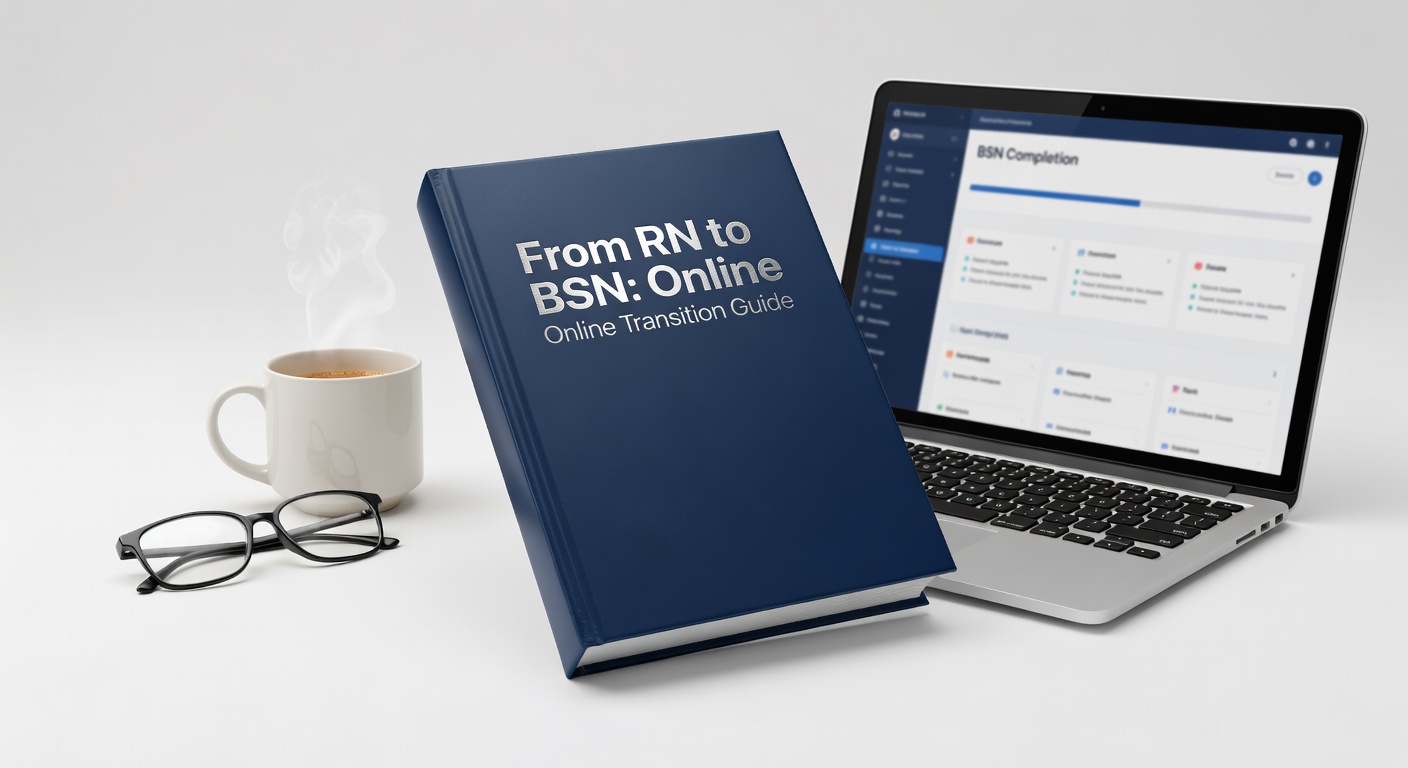
As an Amazon Associate, we earn from qualifying purchases.
Healthcare facilities often provide training on safe lifting techniques. Yet, many professionals overlook these lessons in high-pressure moments. Regular refreshers on ergonomics can reinforce good habits. Nursing students should seek hands-on practice during clinical rotations.
As an Amazon Associate, we earn from qualifying purchases.
Supportive equipment also aids injury prevention. Compression socks can improve circulation during long shifts. Adjustable beds or transfer aids reduce physical strain when moving patients. Investing in personal gear is a smart step for wellness.
Lastly, nurses should report unsafe conditions or inadequate tools. Speaking up ensures a safer work environment for everyone. Check out more on creating better workplaces at Workplace HR Tips. Prioritizing ergonomics is key to a healthy career.
Nutrition Strategies for Sustained Energy
Nutrition is a cornerstone of physical wellness tips for nurses. Long shifts leave little time for proper meals, leading to energy crashes. Planning ahead with balanced snacks can combat this issue. Think nuts, fruits, or protein bars for quick boosts.
Healthcare professionals often rely on caffeine or sugary drinks. While these provide temporary relief, they can cause dehydration or fatigue later. Water should be the primary beverage during shifts. Keeping a reusable bottle handy is a simple fix.

Meal prepping is another effective strategy for busy nurses. Preparing nutrient-dense meals ensures access to healthy options. Include lean proteins, whole grains, and vegetables for sustained energy. This habit saves time and supports physical health.
Nursing students can adopt these practices during clinicals or study marathons. Poor eating habits early on can hinder performance in demanding roles. Guidance from the World Health Organization stresses balanced diets for high-stress jobs. Proper nutrition fuels both body and mind.
Exercise Routines Tailored for Busy Schedules
Finding time for exercise can be challenging in healthcare careers. Yet, physical wellness tips for nurses often emphasize movement as a stress reliever. Even short bursts of activity can improve strength and stamina. Consistency matters more than duration.
For nurses working 12-hour shifts, quick workouts are ideal. A 10-minute walk during breaks boosts circulation and clears the mind. Bodyweight exercises like squats or push-ups can be done at home. No gym membership is required for these routines.
Nursing students juggling classes and clinicals face similar time constraints. Incorporating movement into daily routines helps. Take stairs instead of elevators or stretch between study sessions. Small efforts build healthier habits over time.
Exercise also enhances sleep quality, which is vital for recovery. Nurses should aim for activities they enjoy to stay motivated. Explore more self-care ideas at Wellness and Self-Care Strategies. Physical activity is a powerful tool for well-being.
Sleep and Recovery for Optimal Performance
Sleep is often sacrificed in the fast-paced world of nursing. However, it remains a critical part of physical wellness tips for nurses. Lack of rest leads to decreased focus and higher error risks. Prioritizing sleep is non-negotiable for patient safety.
Shift work disrupts natural sleep cycles for many healthcare professionals. Creating a dark, quiet environment can signal the body to rest. Blackout curtains or eye masks are affordable solutions. A consistent bedtime routine also helps immensely.
For nurses on rotating schedules, naps can bridge energy gaps. A 20-minute power nap during breaks restores alertness. Avoid long naps that disrupt nighttime sleep patterns. Balance is key to effective recovery.
Nursing students must also guard their rest amidst exams and clinicals. Chronic sleep deprivation harms learning and decision-making skills. Establishing healthy sleep habits early prevents burnout later. Recovery is as important as active work.
Stress Management Through Physical Wellness
Physical wellness tips for nurses extend beyond the body to mental health. Stress is a constant in healthcare, often manifesting as physical tension. Addressing it through wellness practices can improve overall quality of life. Nurses deserve strategies that work.
Simple breathing exercises can calm the body during intense shifts. Inhale deeply for four counts, then exhale slowly. This technique reduces heart rate and eases anxiety. It's a discreet tool for chaotic moments.
Stretching or yoga also releases built-up stress in muscles. A five-minute session after a shift can reset the body. Many hospitals offer wellness programs with guided activities. Nurses should take advantage of these resources.
Healthcare professionals note that physical activity doubles as a mental health boost. Walking or light cardio clears emotional clutter after tough days. Nursing students can use these methods during stressful exams. Physical wellness nurtures both mind and body.
Frequently Asked Questions
How can nurses stay physically fit with long shifts?
Nurses can stay fit despite long shifts by integrating small bursts of activity into their day. A brisk walk during breaks or stretching between tasks boosts energy. Meal planning ensures they fuel their bodies with nutritious food. Wearing supportive shoes reduces strain from standing for hours. Consistency in these habits builds physical resilience. Explore physical wellness tips for nurses to maintain stamina in demanding roles.
What are the best exercises for nurses on tight schedules?
For nurses with limited time, bodyweight exercises like squats or planks are ideal. These require no equipment and can be done anywhere. Short walks or stair climbing during breaks also help. Yoga poses for flexibility take just a few minutes. A 10-minute routine daily can make a difference. Physical wellness tips for nurses emphasize quick, effective movement for busy lives.
How does sleep impact a nurse's physical health?
Sleep is vital for a nurse's physical health as it aids recovery. Without enough rest, fatigue increases injury risks during shifts. It also weakens the immune system, making illness more likely. A consistent sleep schedule, even with night shifts, helps. Use blackout curtains to improve rest quality. Prioritizing rest is key in this demanding field.
What foods should nurses eat for energy during shifts?
Nurses should focus on balanced meals with protein, healthy fats, and complex carbs. Think chicken, avocados, and whole grains for sustained energy. Portable snacks like nuts or fruit prevent energy dips. Hydration is equally important, so carry water always. Avoid sugary drinks that cause crashes later. Proper nutrition supports those in these roles.
How can nurses prevent back pain from long hours?
Nurses can prevent back pain by using proper lifting techniques. Bend at the knees, not the waist, when moving patients. Supportive footwear and compression socks reduce strain. Regular stretching eases tight muscles after standing. Ergonomic training, often available at hospitals, is helpful. Protecting the back is crucial in positions in this industry.
Final Thoughts
Physical wellness tips for nurses are essential for thriving in healthcare careers. From ergonomics to nutrition, sleep, and exercise, each strategy builds a stronger foundation. Nurses and nursing students must adopt these habits to handle their roles' physical demands. Small, consistent actions lead to lasting health benefits.
Healthcare professionals should feel empowered to prioritize their well-being. Resources like those at Career Growth Insights can further support professional and personal development. Take the first step today by implementing one wellness tip.
The journey to physical wellness is ongoing but rewarding. It enhances patient care and personal satisfaction in nursing. Commit to these practices for a healthier, more sustainable career.