In the fast-paced and ever-evolving world of nursing, building connections is more than just a professional courtesy—it’s a career game-changer. Achieving nurse networking success through vibrant communities can open doors to opportunities, provide emotional support, and foster lifelong learning. Whether you’re a registered nurse, a nursing student, or a travel nurse, the value of networking cannot be overstated. It’s about creating a web of relationships that can guide you through challenges, celebrate your victories, and help you grow in your career.
Key Takeaways
- Networking builds a support system for nurses facing workplace challenges.
- Strong communities offer access to job opportunities and career advice.
- Connecting with peers enhances professional skills and knowledge sharing.
- Online and in-person nurse communities cater to diverse networking needs.
- Mentorship within networks can accelerate career progression.
- Networking fosters emotional resilience through shared experiences.
- Joining associations amplifies your voice in the nursing profession.
The Importance of Nurse Networking Success in Today’s Healthcare Landscape
Nursing is a profession built on collaboration. From working with interdisciplinary teams to advocating for patients, nurses thrive when they connect with others. However, networking extends beyond the hospital walls. It’s about forming bonds with fellow nurses who understand the unique demands of the job. These connections can lead to referrals for coveted positions, insights into new specialties, or simply a safe space to vent after a tough shift.
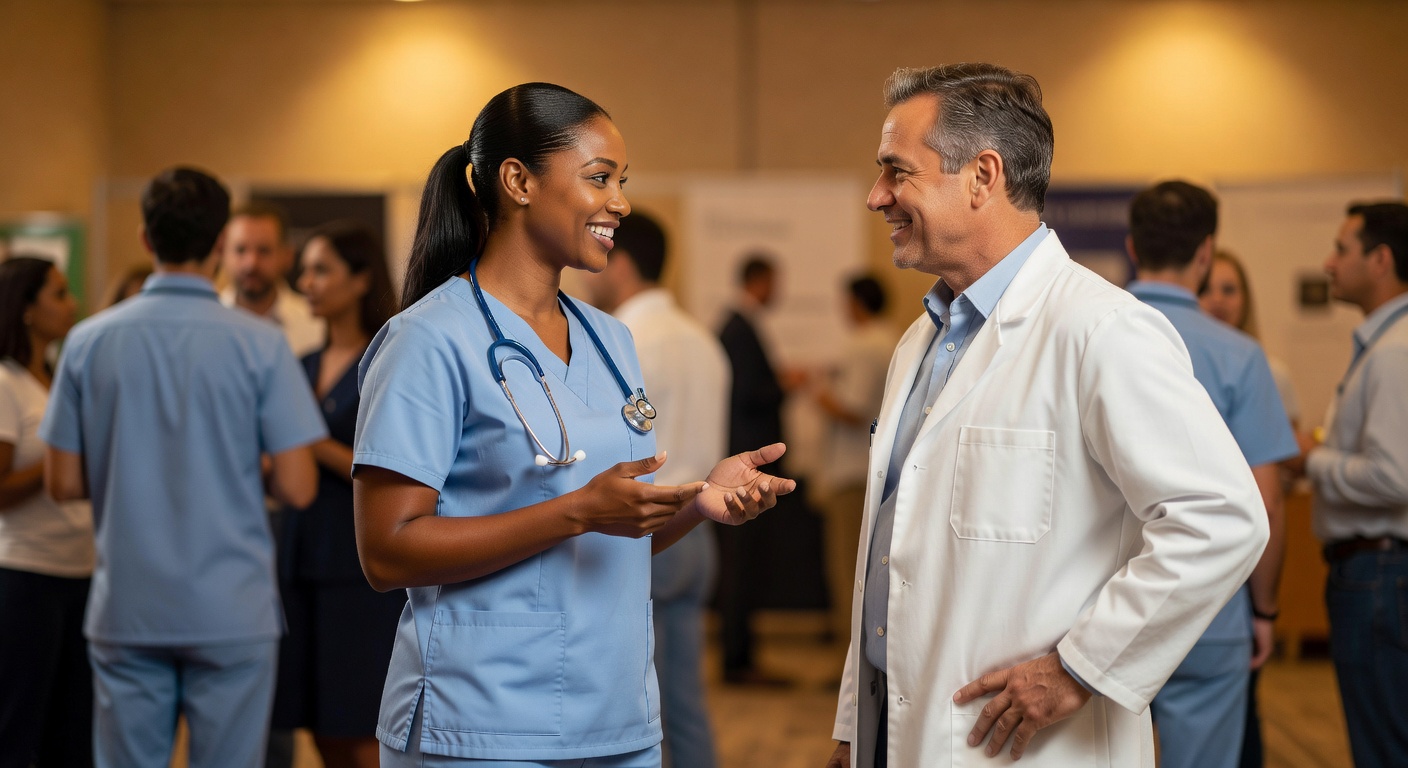
In today’s digital age, nurse networking success is easier to achieve than ever before. Online platforms, such as forums and social media groups, allow nurses to engage with peers across the globe. Meanwhile, local meetups and professional associations offer face-to-face interactions that build trust and camaraderie. Whether virtual or in-person, these communities are vital for staying updated on industry trends and best practices for career growth. Explore more about building connections in our Community & Networking section.

How Nurse Communities Support Career Growth
Joining a nurse community can be a catalyst for professional development. Imagine attending a conference hosted by a nursing organization and meeting someone who offers you a lead on a dream job. Or participating in an online discussion where a seasoned nurse shares tips on navigating a tricky workplace dynamic. These interactions aren’t just coincidences—they’re the result of intentional networking within a supportive community.
Communities also provide access to resources that can elevate your career. Many nursing associations, like those affiliated with the American Nurses Association, offer workshops, webinars, and certification programs. These opportunities not only enhance your skills but also make you a more competitive candidate in the job market. For additional insights on advancing your career, check out our Career Growth category.
Moreover, nurse communities often serve as a bridge to mentorship. Finding a mentor through a network can provide personalized guidance on everything from transitioning to a new role to pursuing advanced education. The advice and encouragement from someone who has walked the path before you can be invaluable in shaping your professional journey.
Emotional and Mental Wellness Through Networking
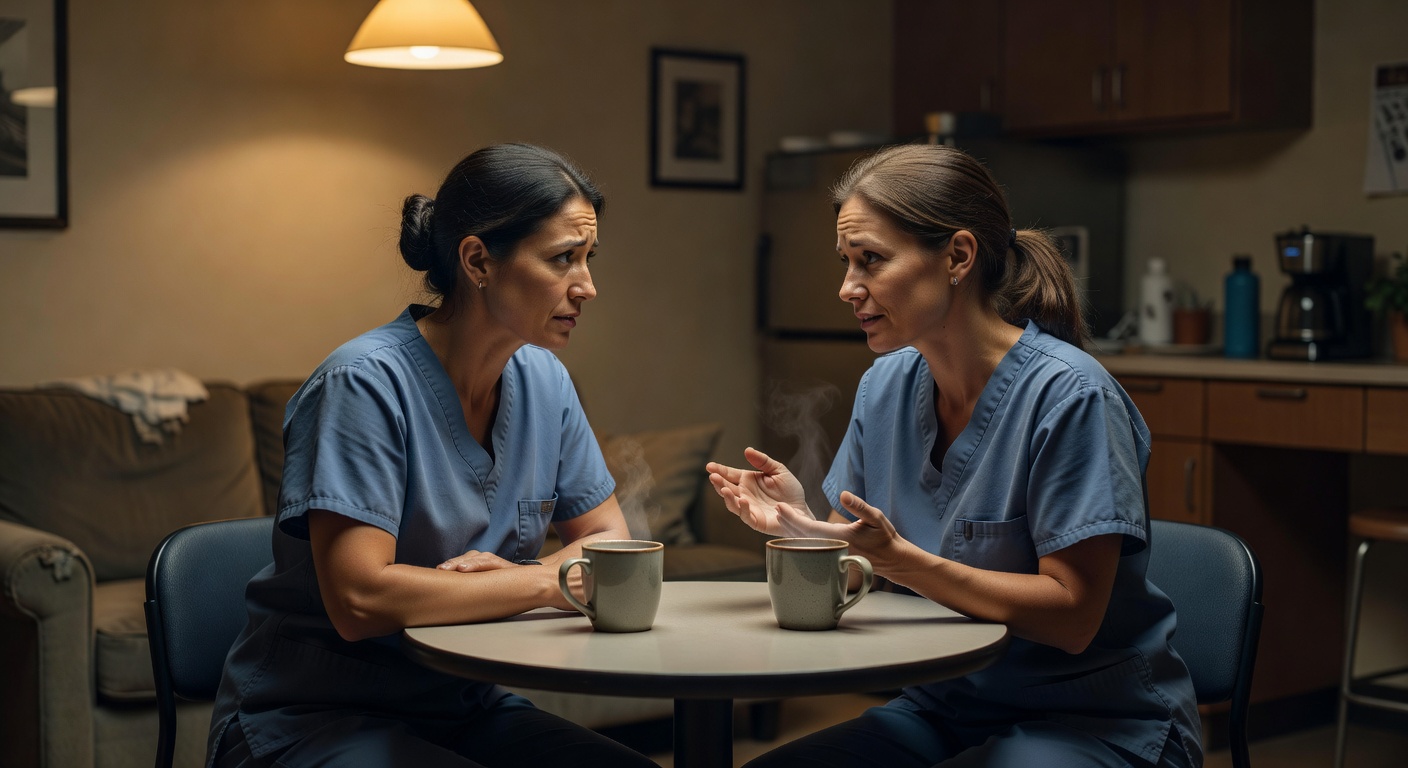
Nursing is a rewarding yet demanding profession, often leading to stress and burnout. Having a network of peers who understand the emotional toll of long shifts and high-stakes decisions can be a lifeline. Nurse communities offer a space to share struggles, seek advice, and find solace in knowing you’re not alone. This sense of belonging can significantly boost your mental well-being.
Online forums and local support groups are particularly helpful for travel nurses who may feel isolated in new environments. Connecting with others who’ve faced similar challenges can provide comfort and practical tips for adjusting to temporary assignments. For more resources on maintaining balance, visit our Wellness & Self-Care section.
Additionally, many nurse networks organize wellness events or discussions focused on stress management. These initiatives remind nurses to prioritize their own health while caring for others. Engaging in such activities within a community setting reinforces the importance of self-care as a cornerstone of a sustainable career.
Navigating Licensing and Certifications with Community Support
For nursing students or those transitioning between states, understanding licensing requirements can be overwhelming. Nurse communities often include members with firsthand experience in navigating these processes. They can offer advice on preparing for exams or meeting state-specific criteria, making the journey less daunting.
Organizations like the National Council of State Boards of Nursing provide authoritative resources, but discussing real-world experiences with peers can add clarity. Whether it’s joining a study group for licensure exams or learning about reciprocity agreements, networks can simplify complex topics. Dive deeper into these subjects in our Licensing & Certifications category.
Beyond licensing, communities can also guide you toward certifications that boost your credentials. Fellow nurses might recommend programs or share study materials, helping you stay competitive in a field that values continuous learning. The collective wisdom of a network often proves more actionable than generic online searches.
Building Soft Skills Through Nurse Networks
Networking isn’t just about career opportunities—it’s also a powerful way to develop essential soft skills. Engaging in discussions, whether online or at events, hones your ability to communicate effectively and collaborate with diverse personalities. These skills are critical in a profession where teamwork is non-negotiable.
Participating in nurse communities can also build confidence in public speaking or conflict resolution. For instance, presenting an idea at a local chapter meeting or mediating a disagreement in a group chat sharpens your leadership potential. These experiences prepare you for roles that require influencing others or managing teams. Learn more about enhancing these abilities in our Soft Skills & Leadership section.
Furthermore, exposure to different perspectives within a network broadens your cultural competence. Understanding varied approaches to workplace challenges equips you to adapt in dynamic healthcare settings. Every interaction in a community setting becomes a learning opportunity that shapes you into a more well-rounded professional.
Overcoming Workplace Challenges with Peer Support
The workplace can present unique hurdles for nurses, from navigating difficult colleagues to advocating for fair scheduling. A strong network provides a sounding board for brainstorming solutions. Sharing experiences with others who’ve faced similar issues can reveal strategies you hadn’t considered.
For example, a nurse in your community might share how they successfully negotiated for better shift patterns, inspiring you to do the same. These peer-to-peer exchanges empower you to take control of your work environment. For more tips on handling workplace dynamics, explore our Workplace & HR resources.
Communities also amplify your voice when addressing systemic issues. Joining forces with other nurses to advocate for change—whether through a professional organization or grassroots efforts—can lead to meaningful improvements in working conditions. There’s strength in numbers, and a network ensures you’re never fighting alone.
Frequently Asked Questions
1. Why is networking important for nurses?
Networking builds professional relationships that offer career opportunities, emotional support, and knowledge sharing, helping nurses thrive in a challenging field.
2. How can I find nurse communities to join?
Look for local chapters of nursing associations, online forums, social media groups, or platforms dedicated to healthcare professionals to connect with peers.
3. What are the benefits of joining a nursing organization?
Organizations provide access to resources, training, mentorship, and advocacy opportunities, enhancing your career and amplifying your voice in the industry.
4. Can networking help with job searches?
Absolutely. Many job openings are shared through word-of-mouth in networks, and connections can provide referrals or insider tips on applications.
5. How do online nurse communities differ from in-person ones?
Online communities offer convenience and global reach, while in-person networks foster deeper, face-to-face connections and localized career opportunities.
Final Thoughts
The power of nurse communities lies in their ability to transform individual challenges into collective strength. By prioritizing nurse networking success, you’re not just building a contact list—you’re creating a support system that can carry you through every stage of your career. From finding job leads to gaining emotional resilience, the benefits of networking are endless.
As you move forward, take the first step by joining a community that resonates with your goals. Whether it’s an online group, a local meetup, or a national association, each connection brings you closer to unlocking your full potential. Remember, nursing is a team effort, and your network is your extended team.
Invest in relationships today, and watch how they shape your tomorrow. The nursing profession thrives on collaboration, and by engaging with your peers, you’re contributing to a stronger, more connected future for all healthcare professionals.