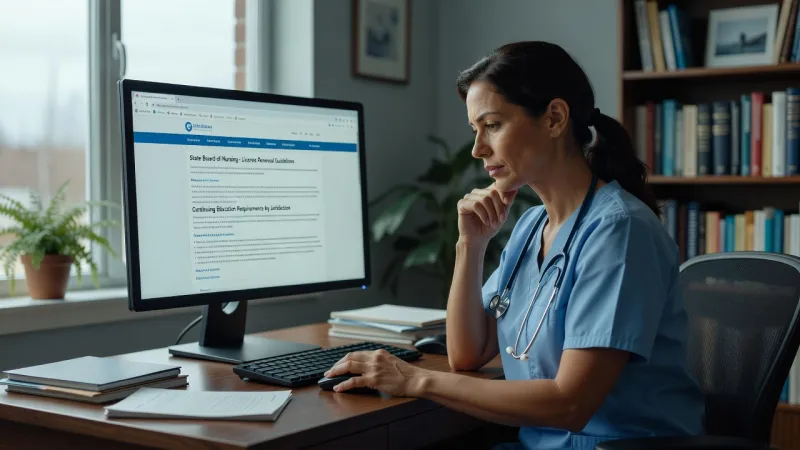
For nurses, nursing students, and healthcare professionals, understanding the path to licensure is a critical step in building a successful career. Navigating the state requirements for nursing licensure can often feel complex, as each state in the U.S. has its own set of rules and processes. This article dives deep into the essentials of state-specific regulations, offering clarity for those entering or advancing in the healthcare field. By grasping these requirements, professionals can avoid delays and ensure compliance.
- Research your state's nursing board for specific licensure rules.
- Complete an accredited nursing program to meet educational standards.
- Pass the NCLEX exam as a core requirement in all states.
- Submit background checks if required by your state board.
- Verify additional certifications for specialized nursing roles.
- Understand renewal timelines to maintain active licensure status.
- Explore reciprocity options for multi-state nursing practice.
Why State Requirements for Nursing Licensure Matter
State requirements for nursing licensure exist to protect public health and ensure that nurses meet consistent standards of care. Each state's nursing board sets these rules to verify that professionals are qualified to practice safely. For nurses and students, this means adhering to specific guidelines before they can work in a clinical setting. Failing to meet these standards can halt career progress.
These requirements also vary widely across states, creating challenges for those relocating or seeking multi-state practice. Some states participate in the Nurse Licensure Compact (NLC), allowing nurses to work in multiple states under one license. Others maintain strict, individual mandates that demand separate applications. Nurses must stay informed to avoid legal or professional setbacks.
Understanding these rules is vital for healthcare professionals planning their career paths. Licensure isn't just a formality; it's a gateway to employment in hospitals, clinics, and beyond. For nursing students, early awareness of state-specific hurdles can shape their education and job search. This knowledge empowers them to make strategic decisions.
Industry experts suggest that staying proactive is key. Regularly checking updates from state boards or national organizations like the American Nurses Association can provide critical insights. Nurses who align with these standards often find smoother transitions into practice. Ultimately, compliance builds trust with patients and employers alike.
Educational Prerequisites Across States
One of the core state requirements for nursing licensure is completing an accredited nursing program. Whether pursuing an Associate Degree in Nursing (ADN) or a Bachelor of Science in Nursing (BSN), the program must meet state approval. This ensures that graduates are prepared for clinical challenges. Nursing students should verify accreditation before enrolling.
As an Amazon Associate, we earn from qualifying purchases.
Some states have specific course requirements within these programs. For instance, certain boards mandate additional training in areas like public health or ethics. These extras can differ significantly, so researching state guidelines early is essential. Students can avoid surprises by planning their coursework accordingly.
As an Amazon Associate, we earn from qualifying purchases.
For registered nurses (RNs) or licensed practical nurses (LPNs), educational standards can also dictate career advancement. States may require a BSN for certain roles or leadership positions in healthcare. Nurses aiming for these opportunities should align their education with state expectations. This forward-thinking approach prevents future roadblocks.
Healthcare professionals often turn to resources like state nursing boards for detailed lists of approved schools. Consulting with academic advisors or peers through platforms under nursing community networking can also clarify options. Staying informed about educational mandates is non-negotiable. It's the foundation of a lasting career in nursing.
Passing the NCLEX: A Universal Requirement
Across all states, passing the National Council Licensure Examination (NCLEX) is a fundamental part of state requirements for nursing licensure. This standardized test assesses a candidate's readiness to provide safe, effective care. For nursing students, preparing for the NCLEX is often the most daunting step. Yet, it's a shared milestone for RNs and LPNs alike.
The NCLEX is administered by the National Council of State Boards of Nursing (NCSBN). It ensures consistency in evaluating core competencies, regardless of where a nurse plans to practice. However, states may impose unique prerequisites before allowing candidates to sit for the exam. These can include fingerprinting or specific coursework completion.

Nurses must register through their state board to take the exam. Fees and waiting periods can vary, so early planning is crucial for avoiding delays. Many healthcare professionals recommend using practice tests and study groups to boost confidence. These strategies often make a significant difference in outcomes.
Once passed, the NCLEX result is a key component of licensure applications. However, some states require additional steps post-exam, like submitting transcripts or references. Staying updated on these details through resources like licensing and certifications can streamline the process. Success on this exam opens doors to professional practice.
Background Checks and Other State-Specific Rules
Many states include background checks as part of their state requirements for nursing licensure. These checks aim to ensure patient safety by screening for criminal history or other red flags. For nurses, this step can feel invasive, but it's a standard practice in healthcare. Compliance is essential to move forward.
The depth of background checks varies by state. Some require fingerprinting, while others only need a self-reported history. Certain states may also ask for explanations of past incidents, even minor ones. Nurses should prepare documentation in advance to avoid delays.
Beyond background checks, some states enforce unique rules like mandatory continuing education before initial licensure. Others might require proof of physical or mental fitness to practice. These additional steps can catch applicants off guard if not researched early. Staying ahead of such requirements is critical for smooth processing.
Healthcare professionals often benefit from guidance on navigating these rules. State nursing boards provide detailed checklists for applicants. Additionally, global insights from organizations like the World Health Organization highlight the importance of ethical standards in licensure. Thorough preparation ensures nurses meet all criteria without stress.
License Renewal and Continuing Education
Meeting initial state requirements for nursing licensure is just the beginning for healthcare professionals. Most states require periodic license renewal, often every two years. This process ensures nurses remain competent in an ever-evolving field. Staying on top of renewal deadlines is crucial to avoid lapses.
Continuing education (CE) credits are a common renewal requirement. States specify the number of hours or types of courses needed, such as updates on patient safety. Nurses must track their CE progress to meet these mandates. Many find online courses a convenient way to comply.
Some states also require proof of active practice or additional certifications for renewal. Failing to meet these standards can result in a suspended license, halting a nurse's ability to work. Planning ahead for renewal requirements prevents such disruptions. It's a responsibility that shouldn't be overlooked.
Resources for CE and renewal tips are widely available. State boards often list approved providers and courses for nurses. Engaging with professional networks or exploring topics like career growth in nursing can also uncover valuable opportunities. Proactive management of licensure renewal builds long-term success.
Navigating Multi-State Licensure and the NLC
For nurses working across borders, understanding multi-state options within state requirements for nursing licensure is vital. The Nurse Licensure Compact (NLC) allows nurses to practice in multiple participating states with one license. This simplifies mobility for healthcare professionals. However, not all states are part of this agreement.
Currently, over 30 states participate in the NLC, benefiting travel nurses and those relocating. Nurses in compact states apply for a multi-state license through their primary state of residence. This eliminates the need for separate applications elsewhere. It's a significant time-saver for busy professionals.
Non-compact states, however, require individual licensure applications, each with unique fees and rules. This can be a hurdle for nurses seeking flexibility in their careers. Researching a state's NLC status before moving or accepting a job is essential. Such planning prevents unexpected barriers to practice.
Healthcare professionals should also note that NLC requirements still include meeting home state standards. Staying informed about compact updates through state boards or professional groups is wise. This ensures nurses can take full advantage of multi-state opportunities. Mobility in nursing careers depends on such knowledge.
Frequently Asked Questions
What are the basic state requirements for nursing licensure?
State requirements for nursing licensure generally include completing an accredited nursing program, either ADN or BSN. Passing the NCLEX exam is mandatory across all states to demonstrate competency. Many states also require background checks or fingerprinting for safety verification. Additional rules, like specific coursework or references, may apply depending on the state. Nurses should check their state nursing board's website for exact details. Early research helps avoid application delays or rejections.
How do I find specific nursing licensure rules for my state?
Finding state requirements for nursing licensure starts with visiting your state's nursing board website. These sites list detailed steps, forms, and fees for applicants. National resources like professional associations can also provide state-specific guides. Nurses can connect with peers or mentors for firsthand advice on the process. Many boards offer contact options for direct questions or clarifications. Taking these steps ensures accurate, up-to-date information for compliance.
Can I practice in multiple states with one nursing license?
Yes, if your state participates in the Nurse Licensure Compact (NLC), you can practice in other compact states. Nurses must hold a multi-state license from their primary state of residence. Non-compact states require separate applications for each location. Researching NLC participation is key before planning to work across borders. State boards provide current lists of compact members for reference. This flexibility is ideal for travel nurses or those relocating.
What happens if I don't meet my state's nursing license renewal rules?
Failing to meet renewal rules can lead to a suspended or inactive license status. This means nurses cannot legally practice until requirements are fulfilled. States often impose penalties or additional fees for late compliance. Nurses may need to complete extra continuing education hours to reinstate their status. Checking renewal deadlines and CE mandates early prevents such issues. Proactive planning keeps careers in this field on track.
Are background checks always required for nursing licensure?
Background checks are common but not universal across states for positions in this industry. Many require them to ensure patient safety and professional integrity. Some states ask for fingerprinting, while others rely on self-reported history. Nurses with past incidents may need to provide explanations or documentation. Checking specific state board policies clarifies this step in the process. Preparing records in advance can speed up the application.
Final Thoughts
Navigating state requirements for nursing licensure is a foundational step for nurses, nursing students, and healthcare professionals. From educational prerequisites to passing the NCLEX and meeting renewal standards, each element demands attention and planning. Understanding variations like the Nurse Licensure Compact can also unlock opportunities for mobility and career flexibility.
Staying informed through state nursing boards and trusted resources ensures compliance and prevents setbacks. For those seeking deeper insights or support, exploring topics under wellness and self-care for nurses can balance the demands of licensure with personal growth. Taking proactive steps now builds a stronger, more resilient career in healthcare.
Start by researching your state's specific rules and aligning your education and certifications accordingly. The path to licensure may seem complex, but with the right approach, it becomes a manageable milestone. Commit to this process, and a rewarding nursing career awaits.