
For nurses, nursing students, and healthcare professionals, mastering time management is vital to thriving in high-pressure environments. Balancing patient care, documentation, and personal well-being often feels overwhelming. The fast-paced nature of healthcare demands efficient use of every minute. This article explores time management strategies in healthcare to help professionals excel in their roles.
- Prioritize tasks based on urgency and patient needs daily.
- Use digital tools to track schedules and deadlines efficiently.
- Delegate non-critical tasks to team members when possible.
- Set realistic goals for each shift to stay focused.
- Schedule short breaks to maintain energy and mental clarity.
- Review and adjust plans at the end of each day.
- Communicate clearly with colleagues to avoid wasted time.
Why Time Management Matters in Healthcare Settings
Time management is a cornerstone of success for healthcare professionals. Nurses often juggle multiple patients with diverse needs in a single shift. Poor time allocation can lead to delayed care or errors. Effective strategies ensure that critical tasks are never overlooked.
The stakes in healthcare are incredibly high. A missed medication or delayed response can impact patient outcomes. Industry experts suggest that structured time management reduces stress significantly. It also boosts job satisfaction among nursing staff.
For nursing students, learning these skills early is crucial. Clinical rotations demand balancing studies and hands-on practice. Developing habits now prepares them for future challenges. Time management builds confidence in handling real-world scenarios.
Lastly, seasoned professionals benefit from refining their approach. Burnout is a real risk in this field. Proper time allocation allows for better self-care. Resources from the American Nurses Association emphasize this balance for long-term career health.
Key Time Management Strategies in Healthcare for Nurses
Healthcare professionals must adopt practical strategies to manage their time effectively. One foundational approach is prioritizing tasks based on urgency. Nurses should assess patient conditions first thing each shift. This ensures critical needs are addressed promptly.
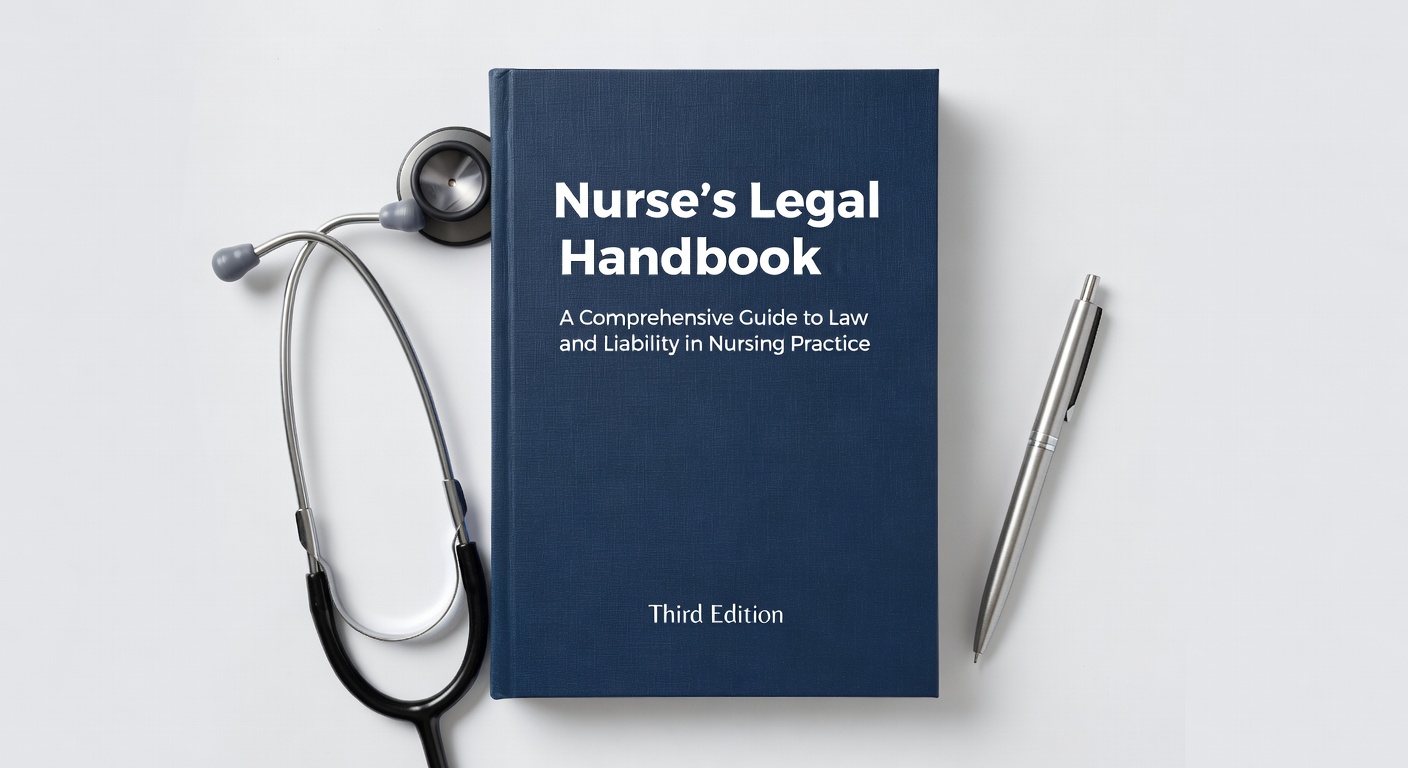
As an Amazon Associate, we earn from qualifying purchases.
Another strategy is using tools like digital planners or apps. These help track medication schedules and appointments. Many hospitals now integrate technology for efficiency. Nursing professionals note that such tools save valuable minutes daily.
As an Amazon Associate, we earn from qualifying purchases.
Delegation is also a powerful tactic in this field. Nurses should assign non-essential tasks to support staff. This frees up time for direct patient care. Clear communication ensures everyone understands their responsibilities.
Finally, setting boundaries is essential for time management. Avoid overcommitting to extra shifts without rest. Balance is key to sustaining energy levels. Explore more on maintaining balance through wellness and self-care tips.
Overcoming Common Time Management Challenges
Healthcare settings often present unique obstacles to effective time management. Unexpected emergencies can derail even the best plans. Nurses must adapt quickly to sudden changes. Flexibility is a critical skill in such moments.
Another challenge is handling heavy workloads during peak times. Understaffing can stretch resources thin for many teams. Professionals in this field know that teamwork helps. Collaborating with colleagues eases individual burdens significantly.

Documentation also consumes substantial time for nurses. Detailed charting is necessary but often tedious. Streamlining this process with templates can help. Some facilities train staff on efficient record-keeping methods.
Lastly, personal distractions can disrupt focus during shifts. Fatigue or stress often plays a role here. Taking brief mental breaks can reset attention. Building resilience through resources like those from the World Health Organization supports better focus.
Tools and Technology for Better Time Management
Technology offers powerful solutions for time management strategies in healthcare. Electronic health records (EHRs) streamline patient data access. Nurses can update charts faster with these systems. This reduces time spent on manual paperwork.
Mobile apps designed for healthcare scheduling are also beneficial. They send reminders for medication or follow-ups. Many nurses rely on these for shift planning. Such tools ensure nothing slips through the cracks.
Wearable devices can track personal efficiency as well. Some alert users to take breaks or hydrate. These small prompts help maintain peak performance. Nursing professionals note their value in busy environments.
Lastly, training on tech tools is essential for adoption. Hospitals often provide sessions on new systems. Engaging in these builds confidence in usage. For more on skill-building, check out soft skills and leadership resources.
Balancing Patient Care and Administrative Duties
Nurses often struggle to balance direct care with administrative tasks. Patient interaction is the heart of their role. Yet, paperwork and meetings demand attention too. Time management strategies in healthcare address this split.
One approach is batching similar tasks together. Group charting or billing activities into one block. This minimizes context-switching during shifts. Efficiency rises when focus stays consistent.
Another tip is setting specific times for admin work. Reserve quieter hours for non-urgent tasks. This protects prime time for patient needs. Nurses find this method preserves care quality.
Collaboration with team members also helps balance duties. Share administrative loads when possible. Open dialogue ensures fair task distribution. This teamwork fosters a supportive work culture.
Teaching Time Management to Nursing Students
Nursing students must learn time management early in their journey. Academic and clinical demands can overwhelm unprepared individuals. Faculty often stress its importance from day one. These skills shape future career success.
Students should start by creating detailed daily schedules. Include study hours, clinicals, and rest periods. Sticking to a plan builds discipline over time. This habit eases transition into professional roles.
Mentorship from experienced nurses offers practical insights. Shadowing reveals real-world time management in action. Students learn to anticipate workflow challenges. Such exposure is invaluable for growth.
Finally, self-reflection helps students refine their approach. Assess what works or needs adjustment weekly. Small tweaks lead to big improvements. Embracing time management strategies in healthcare now sets a strong foundation.
Frequently Asked Questions
How can nurses improve time management during busy shifts?
Nurses can enhance time management by starting each shift with a clear plan. Prioritize urgent patient needs and map out critical tasks first. Use digital tools or checklists to stay organized and avoid oversight. Communicate with team members to delegate when necessary. Short breaks can also recharge focus during long hours. Consistently reviewing progress helps adjust to unexpected demands.
What are the best tools for time management in healthcare settings?
Several tools can support time management strategies in healthcare effectively. Electronic health records (EHRs) speed up documentation for nurses. Scheduling apps send reminders for medications or appointments. Wearable tech can prompt breaks to sustain energy. Training on these tools ensures seamless integration into workflows. Many hospitals offer resources to help staff adapt.
Why do healthcare professionals struggle with time management?
Healthcare professionals often face unpredictable workloads and emergencies. Staffing shortages can increase individual responsibilities significantly. Documentation and administrative tasks also consume valuable hours. Personal stress or fatigue may disrupt focus further. Building strong teamwork and using technology can help. Addressing these challenges in this field requires consistent effort.
How does poor time management affect patient care?
Poor time management can lead to delayed treatments or missed medications. This directly impacts patient safety and recovery outcomes. Nurses may feel rushed, increasing error risks. Stress from mismanaged schedules can lower care quality. Teaching effective strategies early helps avoid these issues. Prioritizing tasks in these roles is essential for success.
Can nursing students learn time management before graduation?
Absolutely, nursing students can master time management with practice. Creating daily schedules for studies and clinicals builds discipline. Mentorship from experienced nurses offers real-world tips. Self-reflection helps identify areas for improvement. Engaging in simulations prepares them for busy shifts. Starting early in positions in this industry ensures readiness.
Final Thoughts
Mastering time management strategies in healthcare is non-negotiable for nurses and professionals. From prioritizing patient care to leveraging technology, these approaches reduce stress significantly. They also enhance job satisfaction and patient outcomes. Consistent practice turns these strategies into second nature.
Healthcare is a demanding field requiring constant adaptation. Nursing students and seasoned staff alike benefit from refining their skills. Explore more insights on balancing demands at career growth resources.
Take action today by implementing one strategy from this guide. Small changes lead to lasting improvements in efficiency. Commit to mastering time management for a thriving career.