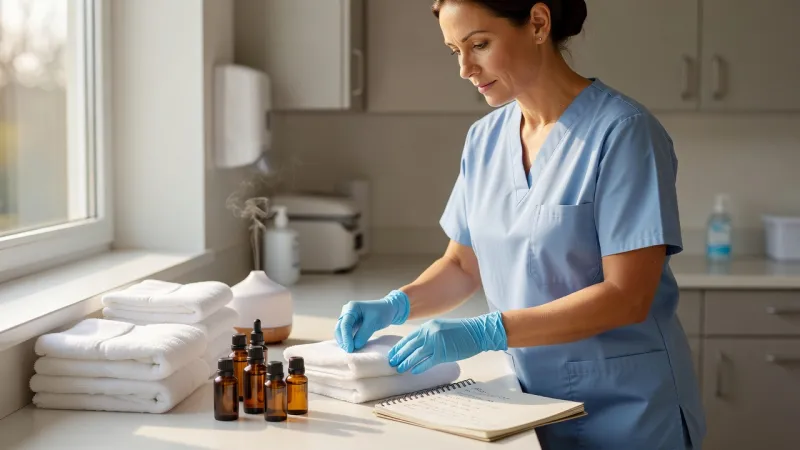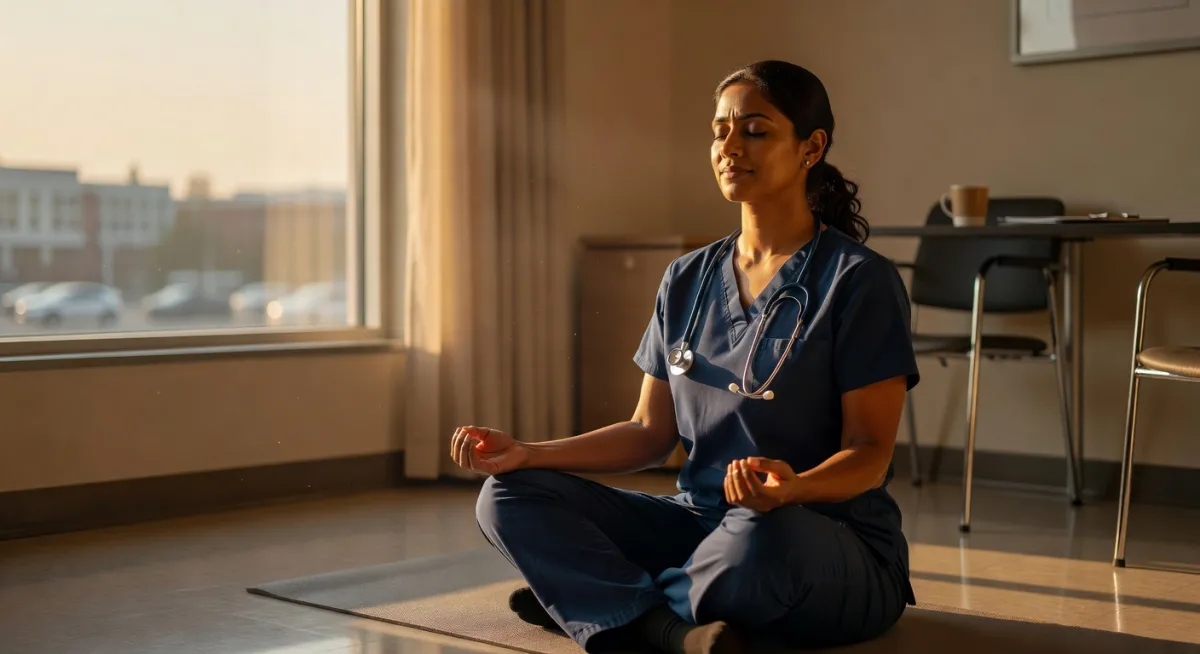
For healthcare professionals, including nurses and nursing students, maintaining personal well-being is vital. The demanding nature of the field often leads to stress and fatigue. Finding effective wellness self care ideas can make a significant difference. This article explores actionable strategies to support physical, mental, and emotional health. These ideas are tailored specifically for those in healthcare roles.
- Schedule short breaks during shifts to recharge energy.
- Practice mindfulness to reduce workplace stress effectively.
- Engage in regular physical activity for better stamina.
- Connect with peers for emotional support and camaraderie.
- Set boundaries to protect personal time and space.
- Prioritize sleep to maintain focus and resilience.
- Seek professional help if stress feels overwhelming.
Why Wellness Matters in Healthcare
Healthcare professionals face unique challenges daily. Long shifts and emotional demands can take a toll. Without proper self-care, burnout becomes a real risk. Wellness is not just a luxury; it's essential for sustaining a career.
Nurses often juggle patient care with personal responsibilities. This balancing act can lead to neglected self-needs. Prioritizing wellness helps maintain high-quality patient care. It ensures professionals remain focused and empathetic.
Industry experts suggest that self-care boosts job satisfaction. When nurses feel supported, they perform better. Wellness practices also reduce absenteeism in healthcare settings. This creates a healthier work environment for everyone.
Resources from the American Nurses Association highlight wellness importance. Their guidelines encourage proactive self-care for nurses. Adopting these principles can transform daily routines. It's a step toward long-term career sustainability.
For a deeper understanding of this topic, Self-Care for Nurses offers practical guidance for nursing professionals at any level.
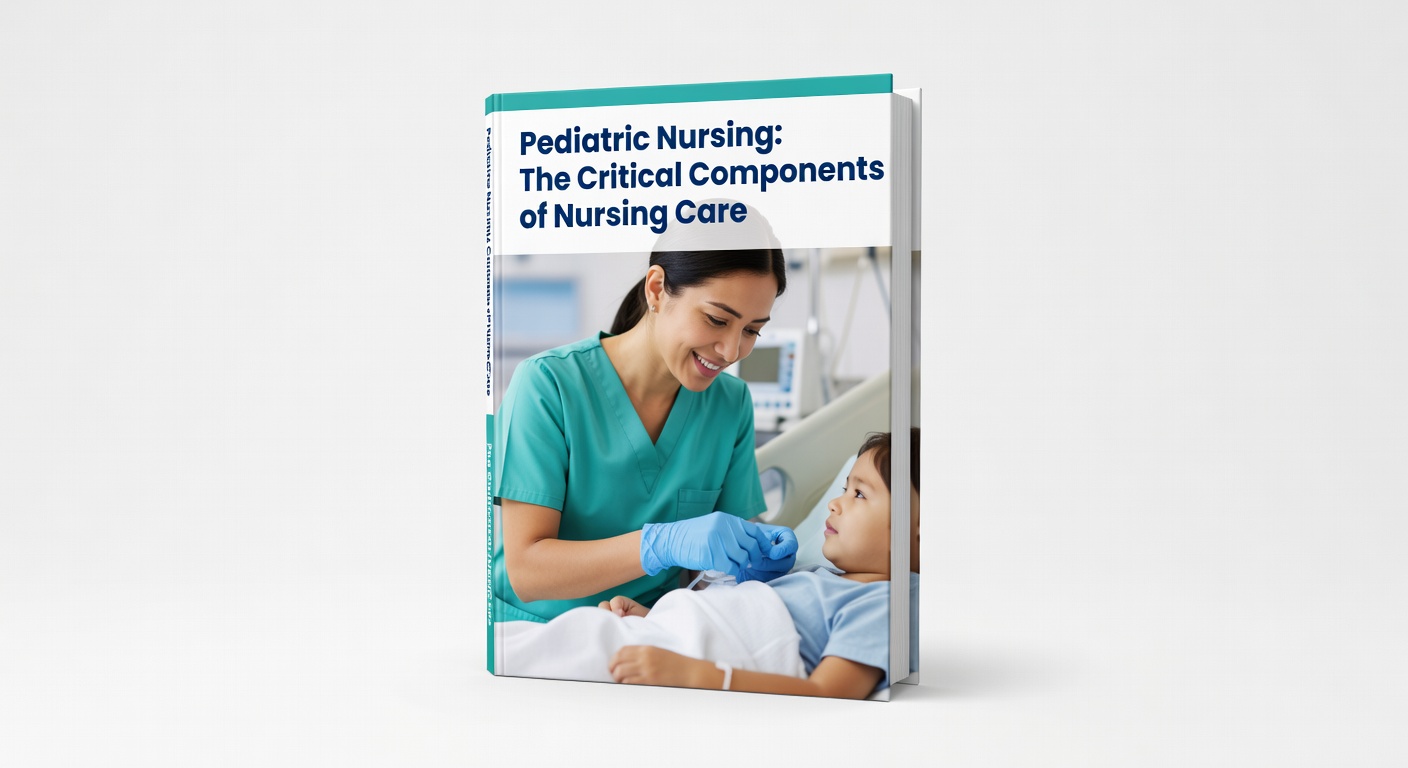
As an Amazon Associate, we earn from qualifying purchases.
Physical Wellness Self Care Ideas
Physical health is a cornerstone of well-being for nurses. Long hours on feet demand stamina and strength. Simple exercises can counteract physical strain effectively. Even small changes yield significant benefits over time.
As an Amazon Associate, we earn from qualifying purchases.
Consider incorporating stretching into daily routines. A quick five-minute session during breaks helps. It relieves muscle tension from standing or lifting. Nurses can do this discreetly in a break room.
Walking is another accessible self-care strategy. A short stroll after a shift boosts circulation. It also clears the mind after intense work. Many hospitals have nearby paths for quick walks.
Hydration and nutrition play critical roles too. Carrying a water bottle ensures consistent intake. Packing healthy snacks prevents energy crashes during shifts. These wellness self care ideas support enduring physical demands.
Mental Health Strategies for Nurses
Mental health often gets overlooked in healthcare roles. Nurses witness trauma and high-stress situations regularly. This can lead to anxiety or emotional fatigue. Addressing mental well-being is non-negotiable for career longevity.
Mindfulness practices offer a powerful coping tool. A brief meditation session calms the mind. Apps or guided recordings make it easy to start. Nurses can practice during short downtime periods.

Journaling is another effective mental health strategy. Writing down thoughts helps process emotions. It's a private way to release stress. Just a few minutes daily can bring clarity.
Support systems are equally important for mental wellness. Connecting with colleagues fosters a sense of belonging. Sharing experiences reduces feelings of isolation. Explore more resources on wellness and self-care for tailored advice.
Emotional Self-Care for Healthcare Workers
Emotional self-care is crucial for healthcare professionals. Nurses often absorb patients' pain and families' grief. This emotional load can become overwhelming quickly. Building resilience through self-care is key to coping.
Setting boundaries protects emotional health effectively. Nurses should learn to say no when needed. This prevents overextending personal energy reserves. It's okay to prioritize personal well-being sometimes.
Engaging in hobbies offers a healthy emotional outlet. Painting, reading, or gardening can be therapeutic. These activities provide a break from clinical stress. They remind nurses of life beyond work.
Seeking professional support is also a valid option. Therapists can help process complex emotions. Many organizations offer counseling for healthcare workers. The World Health Organization advocates for mental health access globally.
Building a Sustainable Self-Care Routine
Creating a self-care routine takes intentional effort. For nurses, consistency is often challenging. Shifts vary, and personal time feels scarce. Yet, a sustainable plan is achievable with small steps.
Start by identifying personal wellness priorities. Some may focus on sleep or exercise first. Others might prioritize mental health practices. Tailoring wellness self care ideas ensures they fit individual needs.
Schedule self-care like a patient appointment. Block out time for relaxation or hobbies. Treat these slots as non-negotiable commitments. This mindset helps maintain discipline amidst chaos.
Use reminders to stay on track with routines. Phone alarms or sticky notes work well. Share goals with a trusted colleague for accountability. Check out career growth strategies for more professional balance tips.
Community and Social Wellness in Healthcare
Social connections are vital for healthcare workers' well-being. Isolation can creep in during demanding schedules. Building a supportive community combats this effectively. It fosters a sense of belonging and understanding.
Joining professional groups offers valuable networking opportunities. Nurses can share wellness self care ideas with peers. These interactions provide emotional and practical support. Local chapters or online forums are great starting points.
Participating in team-building activities boosts camaraderie. Hospitals often organize events or workshops. Engaging in these builds trust among colleagues. It also creates a space for lighthearted interaction.
Mentorship is another avenue for social wellness. Connecting with experienced professionals offers guidance. It helps navigate career and personal challenges. Strong networks enhance overall job satisfaction for nurses.
Frequently Asked Questions
What are some quick wellness self care ideas for busy nurses?
For nurses with packed schedules, quick self-care is essential. Try deep breathing exercises during a five-minute break. Keep a small snack like nuts for energy boosts. Stretching at the nurse's station can ease physical tension. Apps for guided meditation offer fast mental resets. These wellness self care ideas fit into even the busiest shifts.
How can nursing students practice self-care on a budget?
Nursing students often face financial constraints alongside stress. Free activities like walking in a park work wonders. Utilize campus resources for mental health support. Study groups can double as emotional support networks. Library books on mindfulness are cost-free learning tools. These wellness self care ideas require little to no expense.
Why is self-care important for healthcare professionals?
Self-care is critical for healthcare workers' longevity. It prevents burnout from constant emotional demands. Regular practices improve focus during patient care. Neglecting personal health risks errors or compassion fatigue. A balanced approach sustains career passion. It also models healthy habits for others.
How can nurses manage stress during long shifts?
Managing stress during extended shifts takes strategy. Short mindfulness breaks can reset mental clarity. Hydrating regularly keeps energy levels stable. Stepping away for a quiet moment helps too. Connecting with a coworker for a quick chat lifts spirits. Small actions make big differences in tough hours.
What role does community play in nurse well-being?
Community is a cornerstone of well-being for nurses. Peers provide understanding of unique job challenges. Group activities foster a sense of belonging. Sharing experiences reduces feelings of isolation. Professional networks offer advice on balancing demands. Strong bonds enhance resilience in this field.
Final Thoughts
Wellness self care ideas are not optional for healthcare professionals. Nurses and nursing students face intense physical and emotional demands. Implementing strategies like mindfulness, exercise, and boundary-setting can transform lives. These practices ensure sustained energy for patient care and personal growth.
Building a routine tailored to individual needs is crucial. Small, consistent actions create lasting impact over time. Explore more resources on wellness and self-care to deepen your practice. Start today by choosing one idea to prioritize.
Healthcare careers thrive when well-being is valued. Commit to self-care as a professional duty. This investment benefits both personal health and patient outcomes.