
Workplace hr investigations play a key role in healthcare settings. Nurses often encounter these reviews during conflicts or complaints. Understanding the process helps protect careers and maintain standards.
- Document all incidents with dates and details right away.
- Know your rights before any meeting with HR staff.
- Seek support from trusted colleagues or mentors early.
- Review facility policies on reporting and investigations.
- Prepare clear statements without emotional language.
- Follow up in writing after key conversations.
- Focus on facts to support a fair outcome.
Understanding Workplace HR Investigations
Workplace hr investigations review claims of misconduct or policy violations. These reviews occur in hospitals and clinics across the country. Nursing professionals note that clear records help during these reviews.
Each case starts with a formal complaint. HR teams gather statements from involved parties. They examine evidence such as emails or shift logs.
The goal remains fair treatment for everyone. Investigations protect both staff and patients. Industry experts suggest staying calm throughout the steps.
Nurses should respond promptly to any notice. Delays can affect the final report. Professional development includes learning these basics early.
For a deeper understanding of this topic, The Nurses Guide to Innovation offers practical guidance for nursing professionals at any level.
As an Amazon Associate, we earn from qualifying purchases.
Common Triggers in Healthcare Settings
Conflicts between team members often lead to reviews. Patient complaints may also start the process. Shift disputes can trigger workplace hr investigations as well.
Bullying claims require careful handling by HR. Medication errors sometimes prompt formal checks. Staffing shortages create tension that leads to issues.
Nursing students learn about these risks during training. Real cases show how small events grow larger. Healthcare teams benefit from early intervention.
Clear communication reduces many problems. Leaders encourage open talks before complaints form. Policies outline specific triggers for action.
Steps in the Investigation Process
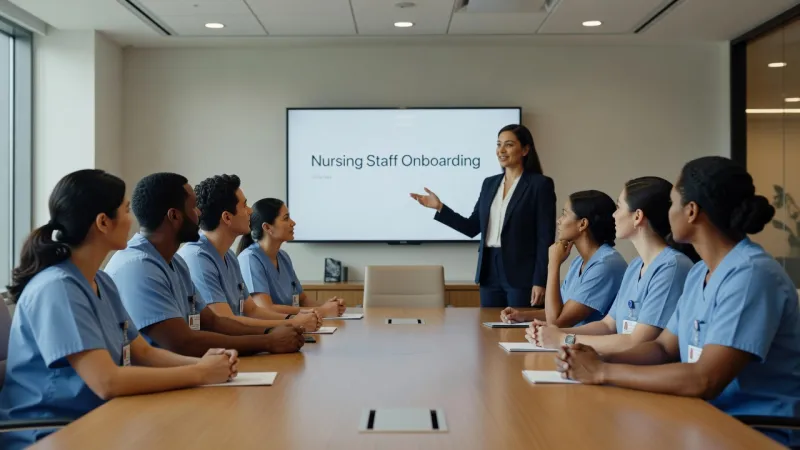
HR begins by notifying the involved nurse. They schedule private interviews with witnesses. Evidence collection follows the initial talks.
Investigators review all relevant documents next. They compare statements for consistency. A final report outlines findings and actions.
Timelines vary by case complexity. Simple matters close within weeks. Complex reviews may take longer to finish.
Nurses receive updates at key points. They can request copies of records later. Workplace policies guide each stage.
Protecting Your Nursing Career
Accurate notes protect nurses during reviews. Keep copies of all communications. Avoid discussing details with unrelated staff.
Consult a union rep if available. Legal advice helps in serious cases. Professional development resources cover these skills.
Stay professional in every interaction. Emotions can cloud facts in reports. Focus on patient care remains essential.
Many nurses continue successful careers after reviews. Outcomes depend on preparation and honesty. Support networks provide needed guidance.
Building Strong Responses
Prepare written statements in advance. Practice answers to likely questions. Stick to observed facts only.
Bring a support person to meetings when allowed. Request breaks if discussions grow long. Follow up with emails to confirm points.
Training helps staff handle these events. American Nurses Association offers related guidance. Hospitals provide internal workshops too.
Clear records strengthen any position. Review past incidents for patterns. Prevention starts with daily habits.
Prevention and Professional Growth
Strong teams reduce the need for reviews. Training on communication helps prevent issues. World Health Organization stresses safe work cultures.
Nurses benefit from leadership courses. These build skills for conflict resolution. Soft skills training supports career growth.
Regular feedback sessions catch problems early. Policies should stay clear and updated. Staff input improves overall processes.
Ongoing education prepares nurses for challenges. Workplace hr investigations become less common with strong practices. Success comes from consistent effort.
Frequently Asked Questions
What should a nurse do first during workplace hr investigations?
Start by gathering all personal notes and records. Review facility policies on the topic. Contact a trusted mentor for initial advice. Stay factual in every response to HR. Follow up each meeting with a written summary.
How long do workplace hr investigations usually last in hospitals?
Most simple cases finish in two to four weeks. Complex matters may extend to several months. HR provides updates at set intervals. Nurses should keep their own timeline notes. Outcomes depend on evidence quality and witness input.
Can a nurse bring a representative to HR meetings?
Many facilities allow a union rep or colleague. Check the employee handbook before the meeting. This support person helps track details. They cannot speak for the nurse in most cases. Always confirm rules with HR in advance.
What records help during these roles?
Shift logs and incident reports prove useful. Emails and text messages provide context. Witness names and contact details matter too. Keep copies outside the work system. Organized files support a clear account.
How do these processes affect positions in this industry?
Outcomes can influence future assignments or promotions. A fair process protects everyone involved. Documentation helps maintain professional standing. Support from peers eases stress during reviews. Strong preparation leads to better results overall.
Final Thoughts
Workplace hr investigations require preparation and clear records. Nurses who understand the steps protect their careers. Action today builds stronger professional habits.
Review policies and seek training often. Support networks make a real difference. Start building these skills now for long term success.