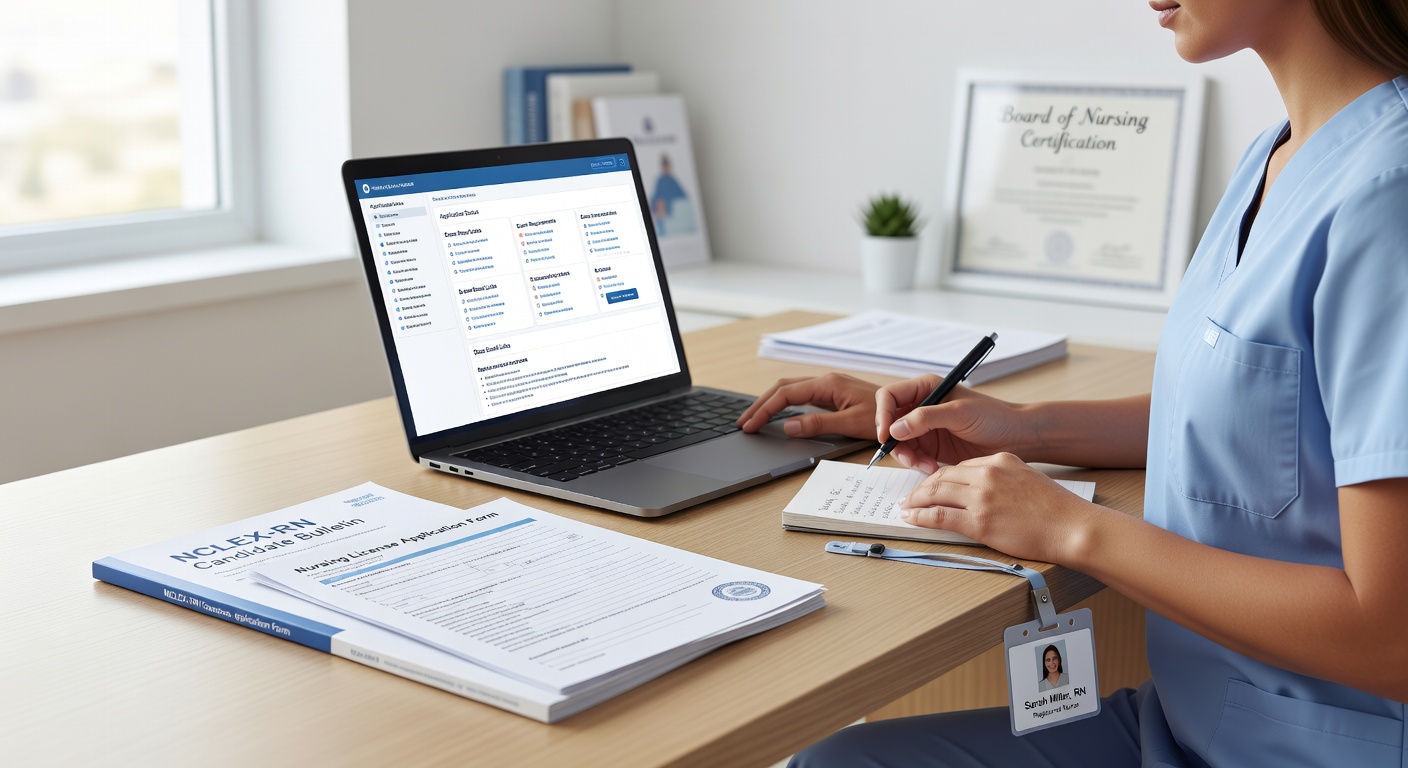
Exploring the world of nursing offers both excitement and challenges, particularly when it comes to decoding nursing licenses. Whether you're a nursing student, a registered nurse, or a travel nurse, decoding nursing licenses is a critical step in building a successful career. This guide will walk you through the essentials of obtaining and maintaining your nursing license, ensuring you’re equipped to take on the challenges and opportunities in healthcare.
Key Takeaways
- Understanding nursing license requirements is the foundation of a legal and successful career.
- Each state or country may have unique licensing processes and regulations.
- Passing the NCLEX exam is a crucial step for most aspiring nurses in the U.S.
- Maintaining licensure often requires continuing education and renewal processes.
- The Nurse Licensure Compact (NLC) can simplify practicing in multiple states.
- Staying informed about licensing updates can prevent career setbacks.
- Resources and support are available to guide you through the licensing journey.
Why Decoding Nursing Licenses Matters
For anyone entering the nursing profession, understanding licensing is not just a formality—it’s a legal and professional necessity. A nursing license validates your education, skills, and readiness to provide care in a regulated environment. Without it, you cannot legally practice, and your career aspirations could be halted before they even begin. This process ensures that all nurses meet a standard of competence, protecting both the public and the integrity of the profession.
Licensing requirements vary widely depending on where you plan to practice. In the United States, for example, each state has its own Board of Nursing that sets specific rules. Internationally, the process can be even more complex, often requiring credential evaluations and additional exams. By decoding nursing licenses early, you can avoid surprises and plan your career path with clarity.

Steps to Obtain Your Nursing License
The journey to becoming a licensed nurse typically begins with education. Most registered nurses (RNs) complete either an Associate Degree in Nursing (ADN) or a Bachelor of Science in Nursing (BSN) from an accredited program. Your choice of program may depend on your long-term goals, such as pursuing advanced roles or specialties. Once your education is complete, the next hurdle is passing the required licensing exam.
In the U.S., the National Council Licensure Examination (NCLEX) is the standard test for RNs and practical nurses (LPNs/LVNs). Administered by the National Council of State Boards of Nursing (NCSBN), this exam assesses your ability to apply nursing knowledge in real-world scenarios. Preparing for the NCLEX requires dedication, often involving study guides, practice tests, and review courses. After passing, you’ll apply for licensure through your state’s nursing board, submitting transcripts, background checks, and fees.
Some states participate in the Nurse Licensure Compact (NLC), allowing nurses to practice in multiple member states with a single license. This is especially beneficial for travel nurses or those relocating frequently. Check with your state board or the NCSBN to see if this applies to you. For more on licensing specifics, explore our resources at Licensing & Certifications.
Understanding State and International Licensing Variations
Nursing licensure is not a one-size-fits-all process. In the U.S., each state’s Board of Nursing establishes its own criteria, which may include additional training hours, specific coursework, or unique application steps. For instance, some states require jurisprudence exams to test knowledge of local nursing laws. Staying informed about these variations is crucial if you’re considering practicing in different regions.
For nurses trained outside the U.S., the path to licensure often involves credential evaluation through organizations like the Commission on Graduates of Foreign Nursing Schools (CGFNS). You may also need to pass an English proficiency test and complete additional education to meet local standards. This process can be time-consuming, so early planning is essential. Connecting with peers who’ve navigated international licensing can provide valuable insights—check out our Community & Networking section for support.
Maintaining and Renewing Your Nursing License
Obtaining your license is just the beginning. Most states require periodic renewal, often every one to two years, which may involve fees, proof of continuing education (CE), and sometimes background checks. Continuing education ensures you stay updated on evolving healthcare practices and policies, enhancing your professional growth. Many states mandate a specific number of CE hours per renewal cycle, so tracking these is vital.
Some nurses let their licenses lapse due to career breaks or oversight, which can lead to penalties or reinstatement challenges. Setting reminders for renewal deadlines and staying engaged with professional organizations can help avoid this. Resources from the American Nurses Association (ANA) offer guidance on maintaining licensure and accessing CE opportunities. For tips on balancing professional responsibilities, visit our Wellness & Self-Care category.
Navigating Challenges in the Licensing Process
The road to licensure isn’t always smooth. Common hurdles include delays in application processing, failing the NCLEX on the first attempt, or discrepancies in educational credentials. If you don’t pass the NCLEX, don’t despair—many nurses succeed on subsequent tries with focused study and support. State boards often provide detailed feedback on areas for improvement, so use this to guide your preparation.
Background checks can also pose challenges if there are past legal issues. Transparency is key; most boards allow you to explain circumstances and demonstrate rehabilitation. If you’re facing workplace or HR-related licensing issues, such as employer verification, our Workplace & HR resources can offer practical advice. Remember, persistence and proactive communication with your state board can resolve most obstacles.
The Role of Professional Growth in Licensing
Licensing isn’t just about meeting minimum requirements—it’s a stepping stone to professional growth. Many nurses use their initial licensure as a launchpad to pursue advanced certifications or degrees, opening doors to roles like nurse practitioner or clinical nurse specialist. Each step often requires additional licensing or endorsements, so understanding the process early can help you plan strategically.
Engaging in lifelong learning and networking can also enhance your licensing journey. Joining professional associations, attending conferences, and participating in workshops not only fulfill CE requirements but also build your reputation. For more on advancing your career, explore our Career Growth section. If leadership is your goal, check out Soft Skills & Leadership for tips on standing out. For authoritative guidance, refer to the ARDMS and SDMS websites.
Frequently Asked Questions
1. What is the first step in obtaining a nursing license?
Complete an accredited nursing program, such as an ADN or BSN, then register for and pass the NCLEX exam before applying through your state board.
2. How long does it take to get a nursing license?
The timeline varies, but after completing education, NCLEX results can take weeks, and state processing may add 4-8 weeks, depending on the region.
3. Can I practice in multiple states with one license?
Yes, if your state participates in the Nurse Licensure Compact (NLC), you can practice in other compact states without additional licenses.
4. What happens if my nursing license expires?
You may need to pay penalties, complete additional CE hours, or go through a reinstatement process. Contact your state board for specific steps.
5. Are there resources to help with international licensing?
Yes, organizations like CGFNS and the NCSBN provide credential evaluation and guidance for internationally trained nurses seeking licensure.
Final Thoughts
Decoding nursing licenses is a pivotal part of your journey as a healthcare professional. While the process may seem complex, breaking it down into manageable steps—education, examination, application, and maintenance—can make it less intimidating. With the right resources and determination, you can navigate this path and build a fulfilling career in nursing.
Remember that licensing is not just a requirement but a testament to your commitment to the profession. Stay proactive by keeping up with state regulations, engaging in continuous learning, and connecting with fellow nurses for support. Platforms like SocialNetwork4Nurses are here to guide you through every stage, from licensure to leadership.
As you move forward, embrace the challenges as opportunities to grow. Your nursing license is the key to unlocking countless possibilities in healthcare, so take the first step today with confidence and purpose.