
For nurses, nursing students, and healthcare professionals, understanding the difference between licensure and certification in healthcare is vital. These two credentials shape career paths and define professional roles. They ensure patient safety and uphold industry standards. This article dives deep into their distinctions and relevance in nursing careers.
- Licensure is mandatory for practicing as a nurse or healthcare provider.
- Certification often signifies specialized skills or advanced expertise.
- Both credentials impact job opportunities and career advancement.
- Licensure is regulated by state or national governing bodies.
- Certification is typically voluntary and offered by professional organizations.
- Understanding both helps in meeting compliance and professional goals.
- These distinctions guide nurses in planning their career trajectories.
Why Licensure and Certification Matter in Healthcare
In the healthcare field, credentials like licensure and certification are cornerstones of trust. They assure patients and employers of a professional's competence. For nurses, these credentials validate skills and knowledge. They also protect the public from unqualified practitioners.
Licensure is a legal requirement to practice in most healthcare roles. Without it, nurses cannot legally provide care. It's a baseline standard enforced by regulatory bodies. This ensures consistency across the profession.
Certification, while often optional, showcases specialized expertise. It can set a nurse apart in competitive job markets. Employers value certified professionals for their dedication. This can lead to better roles or higher pay.
For nursing students, grasping these concepts early is key. It helps in planning educational and career paths. Resources from organizations like the American Nurses Association offer guidance. Staying informed shapes a successful career in healthcare.
For a deeper understanding of this topic, Saunders Comprehensive Review for NCLEX-RN offers practical guidance for nursing professionals at any level.
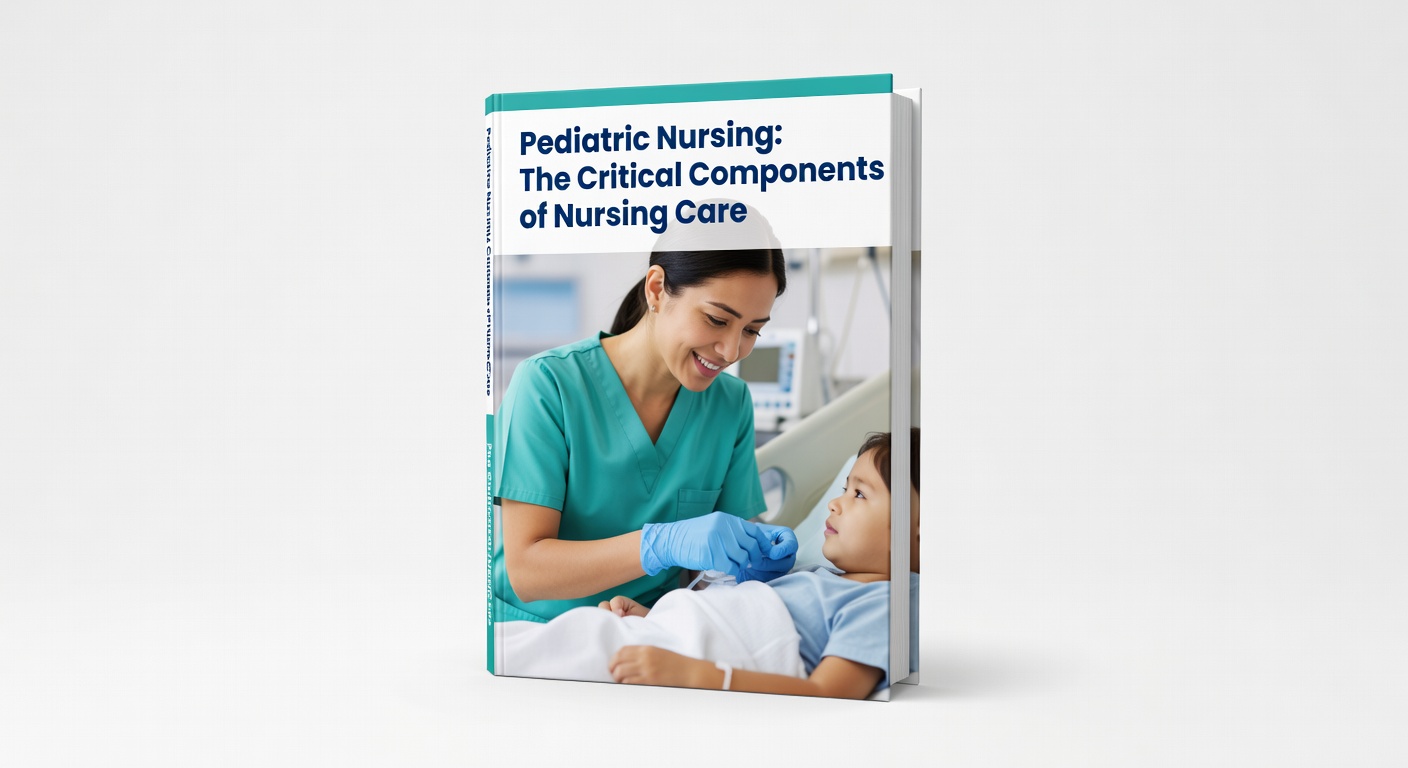
As an Amazon Associate, we earn from qualifying purchases.
What Is Licensure in Healthcare?
Licensure in healthcare is a mandatory credential for practicing nurses. It is granted by state or national regulatory boards. This process ensures professionals meet minimum competency standards. Without licensure, legal practice is impossible.
As an Amazon Associate, we earn from qualifying purchases.
For nurses, licensure often follows completing an accredited program. Passing exams like the NCLEX-RN is typically required. State boards oversee this process rigorously. They ensure only qualified individuals provide care.
Licensure protects patients by enforcing strict guidelines. It holds nurses accountable to ethical and clinical standards. Violations can result in suspension or revocation. This system upholds trust in healthcare delivery.
Maintaining a license often requires ongoing education. Nurses must stay updated on practices and regulations. Resources under licensing and certifications can help. Licensure is the foundation of a nursing career.
What Is Certification in Healthcare?
Certification in healthcare differs from licensure in its purpose. It is often voluntary and showcases advanced skills. Nurses pursue certifications to specialize in areas like critical care. This credential boosts professional credibility.

Certifications are typically offered by professional organizations. They require passing specific exams or meeting criteria. Unlike licensure, they aren't legally required to practice. Yet, they demonstrate a commitment to excellence.
For healthcare professionals, certification can open doors. It often leads to roles with greater responsibility. Employers recognize certified nurses as experts. This can enhance job security and salary potential.
Nursing students should explore certification options early. It helps in identifying areas of interest. Many turn to global health insights from the World Health Organization for perspective. Certification adds value to a nurse's career journey.
Key Difference Between Licensure and Certification in Healthcare
The difference between licensure and certification in healthcare lies in their nature. Licensure is a legal mandate to practice. Certification is an optional credential for specialization. Both are critical but serve distinct purposes.
Licensure is enforced by government bodies like state boards. It ensures baseline skills for patient safety. Nurses must renew licenses periodically with continuing education. Failure to comply halts their ability to work.
Certification, conversely, is managed by professional groups. It focuses on niche expertise or advanced training. Nurses can choose certifications aligning with career goals. This isn't required but highly respected by peers.
Understanding this difference aids in career planning. Nurses can balance mandatory requirements with voluntary achievements. Exploring topics in career growth provides further clarity. Both credentials shape a robust professional profile.
How Licensure and Certification Impact Nursing Careers
The difference between licensure and certification in healthcare directly affects nursing careers. Licensure is the gateway to employment. Without it, nurses cannot legally practice. It's the first step in any healthcare role.
Certification, though optional, influences career progression significantly. It can qualify nurses for advanced positions. Specialized roles often demand specific certifications. This sets professionals apart in competitive fields.
For nursing students, early awareness of these credentials matters. Licensure ensures a stable start in the industry. Certification offers a path to specialization later. Both contribute to long-term success.
Healthcare employers value both credentials differently. Licensure is non-negotiable for hiring. Certification often becomes a tiebreaker in selections. Nurses should prioritize both for maximum career impact.
Practical Steps for Nurses to Obtain Licensure and Certification
Navigating the difference between licensure and certification in healthcare requires actionable steps. For licensure, nurses must complete accredited programs first. This often includes earning a degree or diploma. Passing a national exam follows next.
State boards handle licensure applications and renewals. Nurses should check specific state requirements early. Continuing education is often needed for renewal. Staying compliant avoids career disruptions.
For certification, identify a specialty of interest. Research certifying bodies and their criteria. Prepare for exams or required training rigorously. Certification boosts expertise in chosen fields.
Nursing students benefit from planning ahead. Start with licensure as the priority. Then, pursue certifications to stand out. Both steps build a strong career foundation in healthcare.
Frequently Asked Questions
What is the main difference between licensure and certification in healthcare?
For nurses and healthcare professionals, understanding credentials is crucial. Licensure is a legal requirement to practice. It's regulated by state or national boards. Certification is often voluntary and shows specialized skills. It's granted by professional organizations. Both are vital but serve different roles in career growth.
How does licensure affect a nursing career?
Licensure is the foundation of a nursing career. Without it, legal practice isn't possible. It ensures nurses meet minimum competency standards. State boards oversee this mandatory process. Renewal often requires continuing education. This credential secures a nurse's ability to work.
Is certification necessary for nurses to advance?
Certification isn't mandatory but highly beneficial for advancement. It showcases expertise in specific areas. Many employers prefer certified nurses for specialized roles. Pursuing these credentials can lead to better opportunities. It reflects dedication to the field. Nurses often see career growth after certification.
Can a nurse practice without a license?
No, a nurse cannot legally practice without a license. This credential is a strict requirement in healthcare. State laws enforce it for patient safety. Practicing without one can lead to penalties. Nurses must prioritize obtaining and maintaining this status. It's the core of their professional standing.
How do nurses choose the right certification?
Choosing a certification starts with career goals. Nurses should assess areas of interest or demand. Researching certifying bodies helps in decision-making. Aligning credentials with job market needs is smart. Speaking to mentors or peers offers insights. This ensures relevance and value in their career path.
Final Thoughts
Understanding the difference between licensure and certification in healthcare is essential for nurses. Licensure ensures legal practice and patient safety. Certification, though optional, elevates expertise and career prospects.
Both credentials shape professional journeys uniquely. Nurses and students should prioritize licensure first. Then, explore certifications to specialize and stand out.