
For nursing professionals embarking on the journey to become registered nurses, passing the NCLEX-RN exam represents a pivotal milestone. This rigorous examination tests the knowledge, skills, and critical thinking abilities necessary to provide safe and effective patient care. The path to success requires dedication, strategic planning, and a deep understanding of both clinical concepts and test-taking strategies.
The NCLEX-RN, administered by the National Council of State Boards of Nursing, evaluates a candidate's readiness to enter the nursing field. Nursing professionals note that preparation is not just about studying content but also about building confidence and resilience to handle the adaptive nature of the test. With the right approach, candidates can navigate this challenge and emerge as licensed professionals ready to make a difference in healthcare.
This guide offers a detailed roadmap for preparing for and passing the NCLEX-RN exam. From creating a study plan to mastering test-taking techniques, the following sections provide actionable insights to help aspiring nurses achieve their goals.
- Understand the structure and format of the NCLEX-RN exam to know what to expect on test day.
- Develop a personalized study plan that balances content review with practice questions.
- Use high-quality resources and tools tailored for NCLEX-RN preparation.
- Focus on critical thinking and clinical judgment skills, which are central to the exam.
- Prioritize self-care and stress management to maintain mental and physical well-being during preparation.
- Simulate test conditions with practice exams to build endurance and confidence.
- Review missed questions to identify and address knowledge gaps.
Understanding the NCLEX-RN Exam Format
The first step in preparing for the NCLEX-RN exam is gaining a clear understanding of its structure. This computer-adaptive test adjusts the difficulty of questions based on the candidate's performance, meaning that each test is unique. The exam covers a broad range of topics, including safe and effective care environments, health promotion, psychosocial integrity, and physiological integrity.
Nursing professionals note that the NCLEX-RN can range from 75 to 145 questions, depending on how quickly the system determines a candidate's competency. The test also includes a variety of question types, such as multiple-choice, select-all-that-apply, and fill-in-the-blank. Familiarity with these formats can significantly reduce anxiety and improve performance on test day. Resources from organizations like the American Nurses Association provide valuable insights into the competencies tested on the exam.
Creating an Effective Study Plan
A structured study plan is essential for NCLEX-RN success. Without a clear roadmap, candidates may feel overwhelmed by the volume of material to cover. Experienced nurses recommend breaking down preparation into manageable phases to ensure consistent progress.
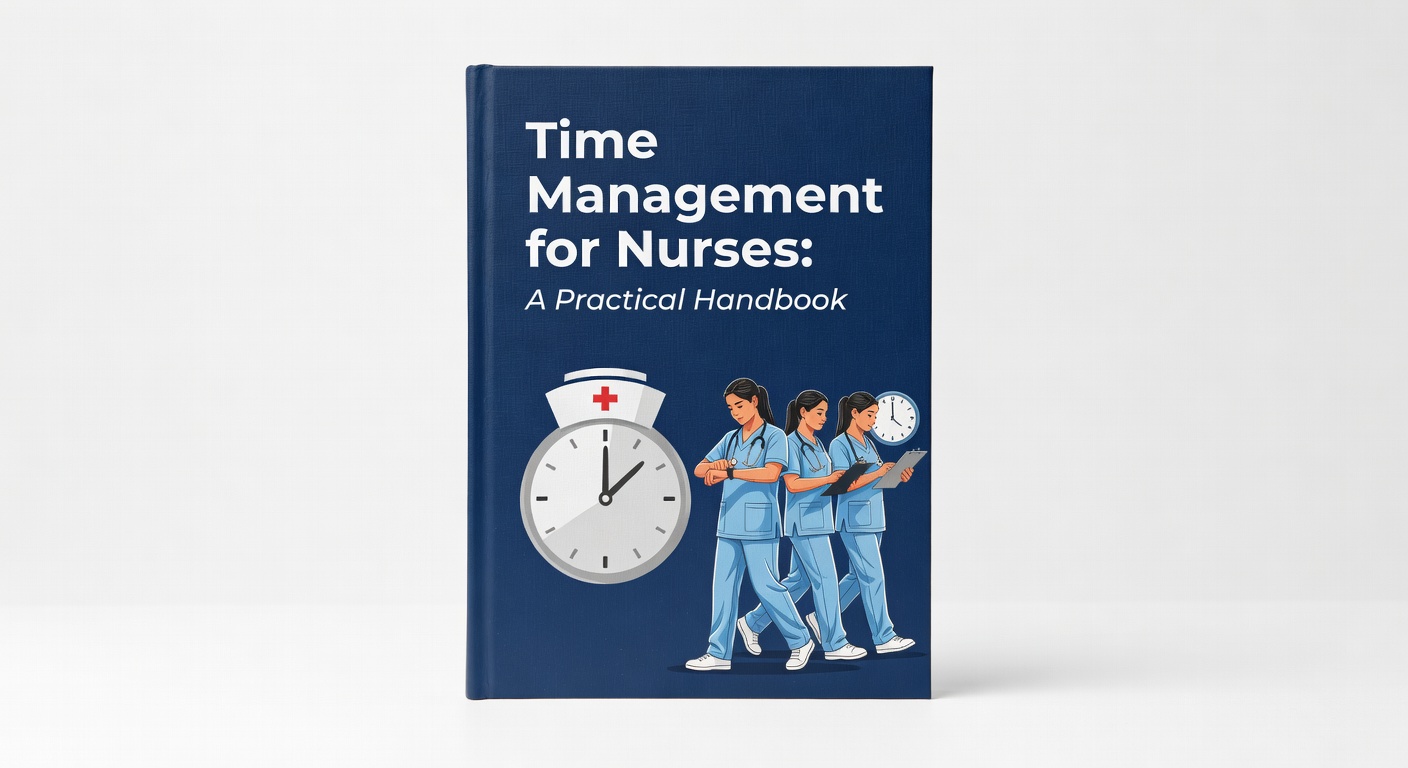
As an Amazon Associate, we earn from qualifying purchases.
Step 1: Assess current knowledge by taking a diagnostic test to identify strengths and weaknesses. This helps prioritize areas that need more focus.
As an Amazon Associate, we earn from qualifying purchases.
Step 2: Set realistic goals and timelines for studying specific topics, such as pharmacology, medical-surgical nursing, and pediatric care. Allocate more time to weaker areas while maintaining review of stronger subjects.
Step 3: Incorporate a mix of study methods, including reading, videos, and practice questions. A highly recommended resource is the Saunders Comprehensive Review for NCLEX-RN, which offers detailed content reviews and practice tests.
Step 4: Schedule regular breaks and rest days to prevent burnout. Balancing study time with relaxation is critical for long-term retention and focus.
Mastering Test-Taking Strategies
Passing the NCLEX-RN is not solely about knowing the content; it also requires effective test-taking skills. The adaptive nature of the exam means that candidates must be prepared to think critically under pressure. Research shows that practicing specific strategies can improve accuracy and confidence during the test.
Step 1: Learn to prioritize patient safety in every question. When faced with multiple correct answers, choose the option that ensures the highest level of safety for the patient.
Step 2: Eliminate obviously incorrect answers to narrow down choices. This technique increases the likelihood of selecting the correct response, even when unsure.
Step 3: Practice time management by setting limits on how long to spend on each question during practice tests. Avoid overthinking, as this can lead to second-guessing and errors.
Step 4: Familiarize oneself with the computer-adaptive format by using online practice exams that mimic the real test environment. This builds comfort with the technology and question delivery system.
Leveraging Resources and Support Systems
Preparation for the NCLEX-RN exam is a journey that benefits from a wealth of resources and community support. Nursing professionals note that utilizing trusted materials and connecting with peers can enhance learning and motivation. For additional insights on building a professional network during this process, explore the Community and Networking category.
Candidates are encouraged to join study groups where they can share knowledge, discuss difficult concepts, and hold each other accountable. Online forums and social media communities for nursing students also provide a platform to ask questions and exchange tips. Additionally, resources from global health bodies like the World Health Organization offer broader perspectives on healthcare topics relevant to the exam.
Beyond study materials, mentorship from experienced nurses can provide invaluable guidance. Seeking advice on managing stress or understanding complex topics can make a significant difference. For more on advancing in the nursing field post-licensure, check out the Career Growth section.
Managing Stress and Maintaining Well-Being
The preparation phase for the NCLEX-RN exam can be mentally and emotionally taxing. Experienced nurses recommend prioritizing self-care to ensure peak performance on test day. Stress management techniques, such as mindfulness and physical activity, play a crucial role in maintaining focus and preventing burnout.
Step 1: Establish a routine that includes adequate sleep, nutritious meals, and regular exercise. A healthy body supports a sharp mind, which is essential for studying and test-taking.
Step 2: Practice relaxation techniques like deep breathing or meditation to calm nerves during high-stress moments. These methods can be particularly helpful on the day of the exam.
Step 3: Set boundaries by limiting study hours each day and taking time for hobbies or socializing. This balance prevents feelings of isolation and keeps motivation high.
Step 4: Seek support from friends, family, or professional counselors if feelings of anxiety become overwhelming. Open communication about challenges can alleviate emotional burdens and provide perspective.
Frequently Asked Questions
What is the best way to start preparing for the NCLEX-RN exam?
Starting preparation for the NCLEX-RN exam begins with understanding the test format and content areas. Nursing professionals note that taking a diagnostic test can help identify strengths and weaknesses early on. From there, creating a structured study plan tailored to individual needs is essential. This plan should include a mix of content review, practice questions, and simulated exams. Utilizing trusted resources and joining study groups can also provide additional support. Finally, setting realistic goals ensures steady progress without overwhelming the candidate.
How long should candidates study for the NCLEX-RN?
The duration of study for the NCLEX-RN varies based on individual knowledge levels and schedules. Research shows that most candidates benefit from several weeks to a few months of consistent preparation. Experienced nurses recommend dedicating a few hours daily to studying while allowing time for breaks and rest. The key is to focus on quality over quantity, ensuring deep understanding rather than rote memorization. Candidates should adjust their timeline based on practice test results and confidence in content mastery. Regular self-assessment helps determine if more time is needed.
What are common mistakes to avoid during NCLEX-RN preparation?
One common mistake during NCLEX-RN preparation is neglecting to practice with computer-adaptive tests, which are crucial for familiarity with the exam format. Nursing professionals note that cramming instead of spacing out study sessions can lead to burnout and poor retention. Another error is focusing solely on content without developing test-taking strategies, such as prioritization and elimination techniques. Candidates should also avoid ignoring self-care, as stress and fatigue can hinder performance. Lastly, failing to review incorrect answers on practice tests misses opportunities to address knowledge gaps.
Are there specific resources recommended for NCLEX-RN preparation?
Yes, several resources are highly recommended for NCLEX-RN preparation. Nursing professionals often point to comprehensive review books that cover all content areas and include practice questions. Online platforms offering adaptive practice tests are also valuable for simulating the real exam environment. Study apps with flashcards and quizzes can aid in quick reviews during downtime. Additionally, joining online forums or study groups provides access to peer support and shared tips. Candidates should ensure that chosen resources are up-to-date and align with the current test blueprint.
What should candidates do on the day before the NCLEX-RN exam?
On the day before the NCLEX-RN exam, candidates should focus on rest and relaxation rather than intense studying. Experienced nurses recommend reviewing key concepts or notes lightly, if at all, to avoid unnecessary stress. Ensuring all logistical details, such as identification and test center information, are prepared can prevent last-minute panic. A good night's sleep is critical, as is eating a balanced meal to maintain energy levels. Finally, engaging in calming activities like meditation or a short walk can help ease nerves and promote mental clarity for test day.
Final Thoughts
Passing the NCLEX-RN exam is a significant achievement that opens doors to a rewarding career in nursing. With the right preparation, test-taking strategies, and self-care practices, candidates can approach this challenge with confidence. Nursing professionals note that persistence and a positive mindset are just as important as content knowledge in achieving success. As a final actionable step, commit to taking at least one full-length practice test under timed conditions within the next week to simulate the real exam experience and build endurance.