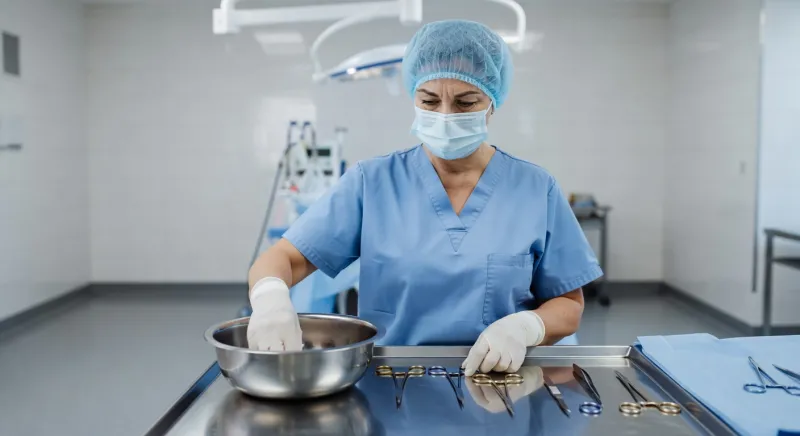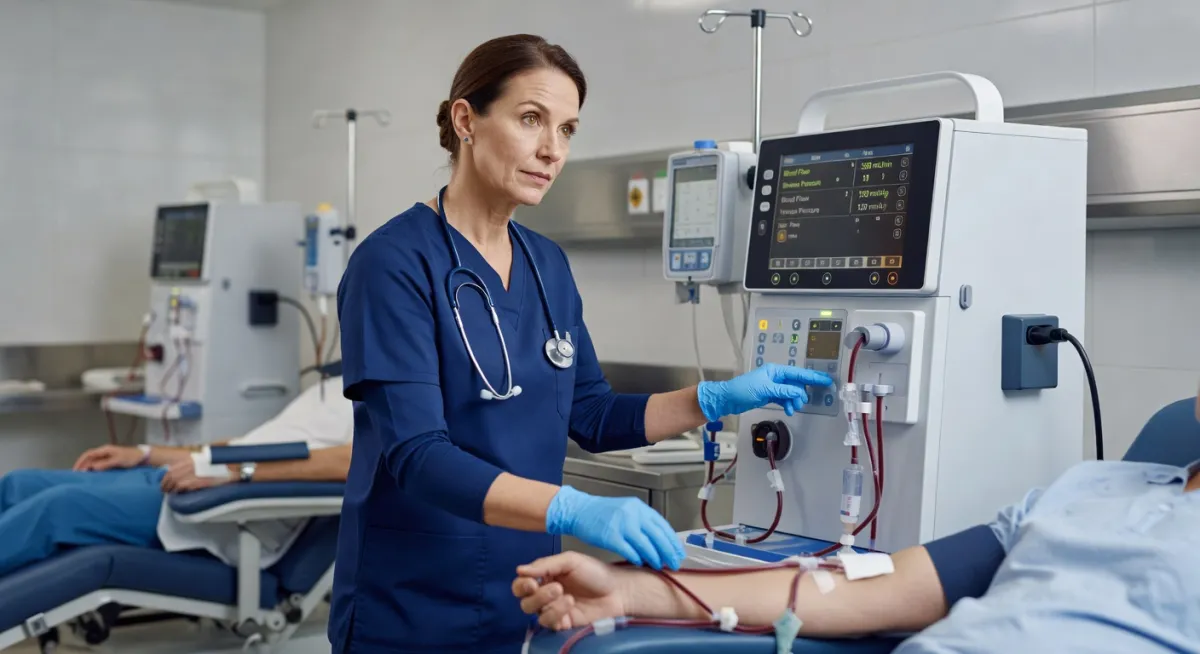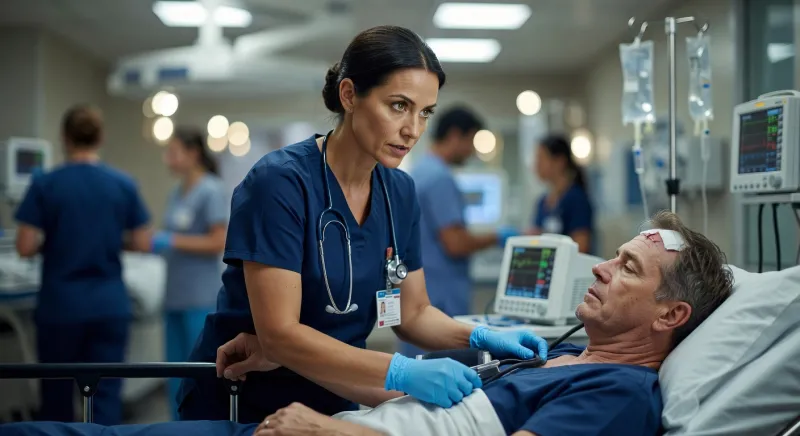
For nurses, nursing students, and healthcare professionals, the vast array of specializations in healthcare field offers exciting opportunities to shape rewarding careers. This field is diverse, with roles that cater to various interests and skills. From direct patient care to research and leadership, these paths allow professionals to make a lasting impact. This article, filed under the 'Specializations' category, dives deep into the many options available, helping readers understand why specialization matters in healthcare.
- Identify your passion within healthcare to choose a fitting specialization.
- Research educational requirements for each specialized role in nursing.
- Seek mentorship from experienced professionals in your desired field.
- Explore certification programs to boost credibility and skills.
- Network with peers to learn about emerging specializations in healthcare field.
- Stay updated on industry trends to remain competitive in your role.
- Consider job shadowing to gain firsthand insight into specific specialties.
Why Specializations in Healthcare Field Matter
The healthcare industry thrives on specialized skills and expertise. For nurses and healthcare professionals, choosing a specialization can define career trajectories. It allows individuals to focus on areas that match their strengths and passions. Specializations also address the growing complexity of patient needs in modern medicine.
Specializations in healthcare field ensure better patient outcomes through targeted care. Nurses who specialize often develop deeper knowledge in specific conditions or treatments. This expertise builds trust with patients and colleagues alike. It also positions professionals as leaders in their chosen domains.
Moreover, specialization often leads to higher job satisfaction. Nurses report feeling more fulfilled when working in areas they love. This focus can reduce burnout and improve retention in the field. It creates a sense of purpose and achievement for many.
Finally, the demand for specialized roles continues to grow. Hospitals and clinics seek experts in niche areas to meet diverse needs. By pursuing specializations in healthcare field, nurses can secure stable, rewarding positions. This path also opens doors to higher pay and leadership roles.
Popular Specializations for Nurses and Healthcare Professionals
Nursing offers a wide range of specializations in healthcare field to explore. Each area requires unique skills and training, catering to different patient populations. For nursing students, understanding these options early can guide career planning. Here are some of the most sought-after roles in the industry.
Critical care nursing stands out as a high-intensity specialization. Nurses in this field work in intensive care units with critically ill patients. They manage life-support systems and handle emergencies with precision. This role demands quick thinking and emotional resilience.
Pediatric nursing focuses on caring for children and adolescents. These nurses address the unique needs of younger patients with compassion. They often work in hospitals, clinics, or schools, supporting families too. This specialization suits those who enjoy working with kids.
Another vital area is oncology nursing, centered on cancer care. Professionals in this role support patients through diagnosis, treatment, and recovery. They provide emotional support alongside medical care, making a profound difference. This path requires both technical skill and empathy.
Emerging Specializations in Healthcare Field
As healthcare evolves, new specializations in healthcare field continue to emerge. Technology and research drive many of these innovative roles for nurses. Staying ahead of trends helps professionals remain relevant in a changing landscape. Nursing students can benefit by exploring these cutting-edge options.
Informatics nursing is a growing field blending healthcare with technology. Nurses in this role manage electronic health records and data systems. They ensure accurate information flow to improve patient care. This specialization appeals to tech-savvy individuals in the industry.
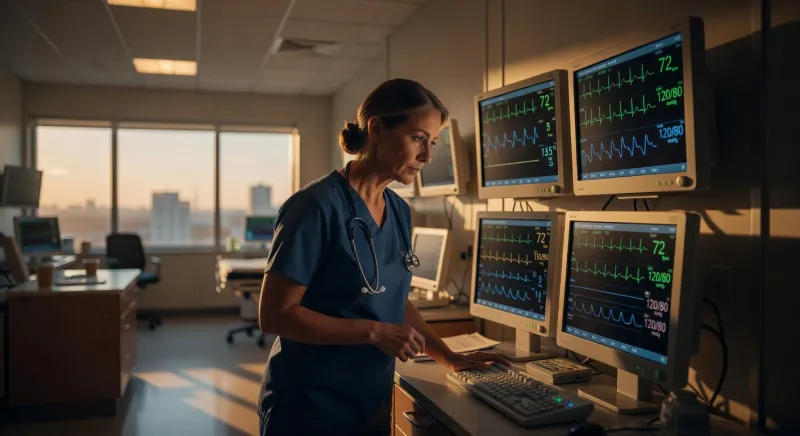
Telehealth nursing has surged with the rise of remote care. These nurses provide consultations and follow-ups via digital platforms. They help patients access care without physical visits to facilities. This role offers flexibility and reaches underserved communities effectively.
Genomic nursing is another emerging area tied to personalized medicine. Professionals here work with genetic data to tailor treatments. They collaborate with researchers and clinicians on innovative solutions. This specialization requires a strong interest in science and ethics.
Skills and Training for Healthcare Specializations
Pursuing specializations in healthcare field demands specific skills and education. Nurses must be prepared to invest in continuous learning for success. Each role comes with unique requirements beyond basic nursing training. Understanding these needs helps professionals plan their career paths.
Clinical expertise forms the foundation for most specialized roles. Nurses need hands-on experience to master advanced procedures in their field. Many specializations require additional certifications or degrees for credibility. Resources from organizations like the American Nurses Association offer guidance on these programs.
Soft skills also play a critical role in specialized healthcare positions. Communication, empathy, and teamwork enhance patient interactions and outcomes. These abilities are vital in high-stress environments like critical care. Nurses can develop them through targeted training and practice.
Finally, staying updated on global health trends is essential. Organizations like the World Health Organization provide valuable insights on emerging issues. Nurses should seek ongoing education to remain competitive in their specialization. For further growth, explore resources on career advancement to build a robust skill set.
Challenges and Rewards of Specialized Healthcare Roles
Specializations in healthcare field come with unique challenges for nurses. These roles often involve high-pressure situations and emotional demands. Understanding these hurdles prepares professionals for long-term success. It also helps them build resilience in demanding environments.
One common challenge is the intense workload in specialized areas. Critical care or oncology nurses often face long, unpredictable hours. They must balance multiple patients with complex needs daily. This can lead to physical and mental fatigue over time.
Emotional strain is another significant hurdle in these roles. Nurses frequently deal with life-and-death scenarios or chronic illnesses. Building coping mechanisms is crucial to handle such stress. Support resources on wellness and self-care can offer practical strategies.
Despite challenges, the rewards are immense in specialized healthcare. Nurses often form deep connections with patients and families. Their expertise directly improves lives, bringing immense satisfaction. Many find this fulfillment outweighs the difficulties they face.
How to Choose the Right Specialization for Your Career
Selecting among specializations in healthcare field can feel overwhelming for nurses. The decision shapes long-term career satisfaction and growth. Taking a strategic approach helps align choices with personal goals. Here are steps to guide professionals in this process.
First, assess personal interests and strengths in healthcare. Nurses should reflect on what patient groups or conditions inspire them. Some may prefer fast-paced environments like emergency care. Others might enjoy the slower pace of geriatric nursing.
Next, consider the educational and certification requirements involved. Many specializations demand advanced degrees or specific training programs. Researching these prerequisites ensures readiness for the commitment. Nursing students can start early to streamline this journey.
Finally, seek guidance from mentors or peers in the field. Shadowing professionals offers real-world insight into daily responsibilities. Networking also reveals hidden opportunities in specialized roles. This hands-on approach clarifies the best fit for each individual.
Frequently Asked Questions
What are the most in-demand specializations in healthcare field?
The healthcare industry constantly evolves, creating high demand for certain specializations in healthcare field. Critical care, oncology, and telehealth nursing rank among the top roles. These positions address urgent needs in hospitals and remote care settings. Nurses in these areas often find abundant job opportunities. Nursing students can prioritize these paths for stable careers. Exploring certifications can further boost employability in these fields.
How do I start a career in a healthcare specialization?
Starting a career in specialized healthcare begins with a solid nursing foundation. Earn a degree or diploma in nursing as the first step. Then, gain hands-on experience in general roles to build skills. Research specific requirements for your desired area within specializations in healthcare field. Seek mentorship and additional training to stand out. Finally, pursue certifications to validate expertise in your chosen path.
What skills are needed for specialized nursing roles?
Specialized nursing roles require a mix of technical and interpersonal skills. Clinical expertise is crucial for handling advanced medical procedures. Strong communication helps in connecting with patients and teams. Emotional resilience supports nurses in high-stress environments. Critical thinking aids in making quick, effective decisions. Continuous learning keeps professionals updated in these dynamic positions in this industry.
How long does it take to specialize in a healthcare role?
The timeline to specialize in healthcare varies by role and education level. Basic nursing degrees take two to four years to complete. Additional training for specific roles may add one to three years. Certifications or advanced degrees can extend this further. Nurses should plan for ongoing education throughout their careers. Commitment to learning ensures success in these specialized paths.
Are specialized healthcare roles more stressful than general nursing?
Specialized healthcare roles can indeed be more stressful than general nursing. These positions often involve complex cases and high-stakes decisions. Emotional demands are higher in areas like oncology or critical care. However, many nurses find the rewards balance out the stress. Building coping strategies helps manage pressure effectively. Support systems and self-care practices are vital for longevity in this field.
Final Thoughts
Navigating specializations in healthcare field offers nurses and healthcare professionals a chance to carve unique career paths. From critical care to emerging roles like telehealth, the options are vast and rewarding. Each specialization brings distinct challenges, skills, and opportunities to make a difference. By understanding these roles, professionals can align their passions with industry needs.
Taking the next step requires reflection, education, and networking. Nursing students and seasoned professionals alike should explore resources to guide their journey. For more insights, check out content on licensing and certifications to boost your credentials.
Ultimately, specialization is a powerful way to grow in healthcare. Commit to lifelong learning and seek mentorship to thrive. The impact of specialized care on patients and communities is profound, making every effort worthwhile.