
For nurses and healthcare professionals seeking to expand their impact beyond direct patient care, specializations in healthcare management offer a powerful pathway. This field blends clinical expertise with strategic oversight, enabling professionals to shape policies, improve systems, and lead teams. Filed under the 'Specializations' category, this article dives deep into various management roles tailored for nursing careers. It highlights why these paths are vital for those aiming to influence broader healthcare outcomes.
- Explore diverse specializations in healthcare management to find a fitting career path.
- Understand the skills needed to transition from clinical roles to leadership positions.
- Identify educational and certification requirements for management roles in healthcare.
- Learn how these specializations impact patient care and organizational efficiency.
- Discover networking opportunities to connect with industry leaders and peers.
- Gain insights into balancing clinical expertise with administrative responsibilities.
- Take actionable steps to pursue a role in healthcare management today.
Why Specializations in Healthcare Management Matter
Healthcare management specializations are crucial for nurses and healthcare professionals looking to elevate their careers. These roles bridge the gap between clinical practice and organizational strategy. They allow professionals to influence systemic change while maintaining a connection to patient care. For nursing students, this field opens doors to leadership early on.
The demand for skilled healthcare managers continues to grow as systems become more complex. Nurses with clinical experience bring unique insights to management roles. Their firsthand knowledge of patient needs helps shape effective policies. This dual perspective is invaluable in today's healthcare landscape.
Moreover, these specializations offer a chance to tackle pressing industry challenges. Think about issues like staff shortages or budget constraints. Managers with nursing backgrounds can address these with empathy and practicality. Their solutions often resonate more with frontline staff.
Finally, pursuing specializations in healthcare management aligns with professional growth goals. It equips nurses to take on roles that impact entire organizations. Resources from the American Nurses Association provide guidance on this transition. This path is a natural fit for those passionate about systemic improvement.
Key Specializations in Healthcare Management for Nurses
Nurses and healthcare professionals can choose from several specializations in healthcare management. Each offers unique challenges and rewards tailored to different interests. These roles often require a mix of clinical and administrative skills. Below are some prominent options to consider.
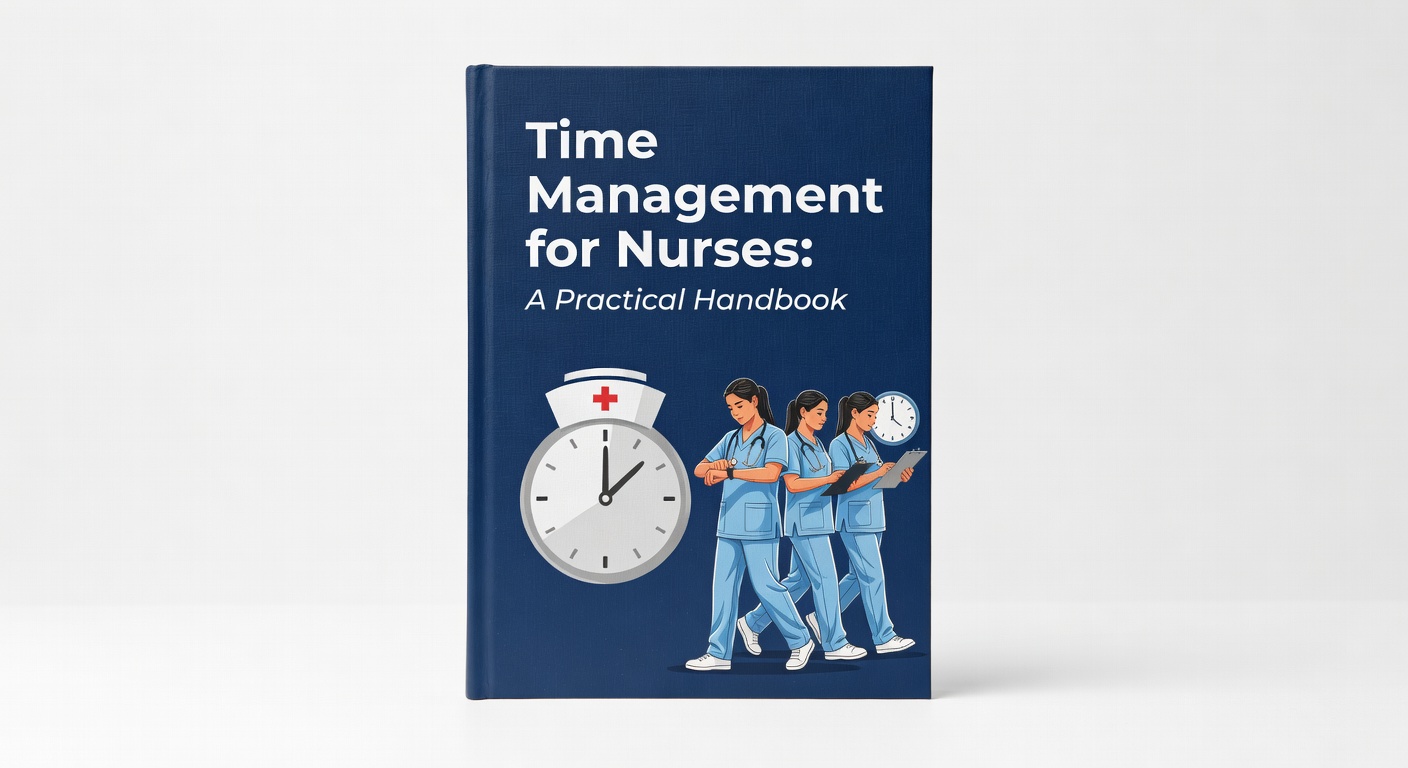
As an Amazon Associate, we earn from qualifying purchases.
First, Nurse Administrators oversee clinical operations within hospitals or clinics. They manage budgets, staff schedules, and compliance with regulations. Their role ensures that patient care standards remain high. For nurses, this specialization feels like a natural step up.
As an Amazon Associate, we earn from qualifying purchases.
Another option is Healthcare Informatics Management, focusing on data and technology. Nurses in this role improve systems like electronic health records. Their clinical background helps tailor tech solutions to real-world needs. This specialization suits those who enjoy problem-solving with data.
Lastly, Quality Improvement Managers focus on enhancing care delivery processes. They analyze outcomes and implement better practices. Nurses excel here due to their patient-centered perspective. This role directly impacts safety and satisfaction in healthcare settings.
Skills Needed for Healthcare Management Roles
Transitioning to specializations in healthcare management requires a distinct skill set for nurses. Beyond clinical expertise, leadership abilities take center stage. Nurses must adapt to overseeing teams and making strategic decisions. This shift can feel daunting but is achievable with focus.
Communication stands out as a critical skill in these roles. Managers must convey policies clearly to diverse teams. They also mediate conflicts and align staff with organizational goals. Nurses often already excel at patient communication, which helps here.

Financial acumen is another essential area for healthcare managers. Budgeting and resource allocation directly affect care quality. Nurses may need additional training to grasp these concepts fully. However, their practical experience aids in making cost-effective choices.
Finally, problem-solving and adaptability define success in management. Healthcare settings face constant change, from policy updates to tech advances. Nurses bring resilience to these challenges, honed by clinical work. Exploring resources at Soft Skills and Leadership can further sharpen these abilities.
Educational Pathways and Certifications
For nurses eyeing specializations in healthcare management, education is a vital step. Many roles require advanced degrees like a Master's in Healthcare Administration. These programs blend clinical and business training. They prepare nurses for the complexities of management.
Nursing students can start planning early by choosing relevant coursework. Electives in leadership or health policy provide a strong foundation. Some universities offer dual degrees combining nursing and management. This approach streamlines the path to specialized roles.
Certifications also enhance credibility in this field for healthcare professionals. Options like the Certified Nurse Manager and Leader credential stand out. They signal expertise to employers and peers alike. Such credentials often boost career advancement opportunities.
Continuous learning remains key as healthcare evolves rapidly. Workshops and online courses keep skills current. Nurses can find tailored programs through trusted sources. Checking Licensing and Certifications offers insights into relevant qualifications.
Impact on Patient Care and Organizational Growth
Specializations in healthcare management directly influence patient care quality. Nurses in these roles design systems that prioritize safety and efficiency. Their clinical background ensures patient needs stay at the forefront. This focus drives meaningful improvements across facilities.
Healthcare managers also shape staff training and support structures. They advocate for resources that help nurses thrive. Better working conditions lead to improved patient outcomes. This ripple effect underscores the value of management roles.
At an organizational level, these specializations fuel growth and innovation. Managers identify areas for expansion or cost savings. Their decisions can transform struggling units into models of success. Nurses bring a grounded perspective to these high-level choices.
Global health challenges further highlight the need for skilled managers. Issues like pandemics require strategic responses. Insights from the World Health Organization emphasize coordinated leadership. Nurses in management are uniquely positioned to contribute here.
Challenges and Rewards of Healthcare Management
Pursuing specializations in healthcare management comes with distinct challenges for nurses. Balancing clinical roots with administrative duties often feels overwhelming. Managers face pressure to meet both staff and executive expectations. This dual role tests resilience daily.
Time management poses another hurdle in these positions. Nurses transitioning to management must juggle multiple priorities. Deadlines for reports can clash with urgent staff needs. Developing strong organizational habits is essential to cope.
Despite these obstacles, the rewards are significant for healthcare professionals. Management roles offer a chance to shape entire systems of care. Nurses see their ideas improve outcomes on a large scale. This impact brings deep professional satisfaction.
Additionally, these specializations often lead to better compensation and stability. Leadership positions provide a sense of purpose beyond bedside care. For nursing students, this path promises long-term growth. It's a chance to leave a lasting legacy in healthcare.
Frequently Asked Questions
What are the best specializations in healthcare management for nurses?
For nurses, the best specializations in healthcare management include Nurse Administrator, Healthcare Informatics Manager, and Quality Improvement Manager. Each role leverages clinical experience to influence broader systems. Nurse Administrators focus on operational oversight, ensuring smooth facility functioning. Informatics roles dive into technology, optimizing tools like patient records. Quality managers drive better care standards through data analysis. Nurses should choose based on their passion for leadership or tech.
How can I transition from nursing to healthcare management?
Transitioning from nursing to healthcare management starts with assessing your skills and interests. Pursue advanced education, such as a Master's in Healthcare Administration, to build necessary knowledge. Gain experience in leadership through roles like charge nurse. Seek mentorship from current managers to understand daily challenges. Networking with professionals in this field can open doors. Finally, certifications in management add credibility to your resume.
What skills are most important for healthcare management roles?
Key skills for roles in this industry include communication, leadership, and financial literacy. Nurses must clearly convey policies and mediate conflicts among staff. Leadership ensures teams stay motivated and aligned with goals. Financial skills help manage budgets and resources effectively. Adaptability also matters, as healthcare evolves rapidly. Nurses often bring empathy, which enhances their management approach.
Do I need an advanced degree for healthcare management positions?
Yes, most positions in this industry require an advanced degree like a Master's in Healthcare Administration. These programs teach critical business and policy skills needed for leadership. Some nurses start with a bachelor's and gain experience first. However, higher education often accelerates career progression. It also provides networking opportunities with industry leaders. Without it, climbing the management ladder can be slower.
What challenges do nurses face in healthcare management careers?
Nurses entering these roles often struggle with balancing clinical and administrative duties. The shift from patient care to strategic oversight feels unfamiliar at first. Time management becomes critical with competing priorities. Emotional stress from high-stakes decisions can also weigh heavily. Building a support network helps navigate these hurdles. Over time, adapting to this dual focus becomes more natural.
Final Thoughts
Specializations in healthcare management offer nurses and healthcare professionals a transformative career path. These roles blend clinical insight with strategic vision, creating leaders who shape better systems. From Nurse Administrators to Quality Improvement Managers, each specialization holds unique potential for impact.
For nursing students and seasoned professionals alike, this field promises growth and purpose. Start by exploring educational pathways and building key skills. Dive into resources at Career Growth to map out your next steps. The journey to management is challenging yet deeply rewarding.
Take action today by identifying which specialization aligns with your goals. Connect with mentors, pursue certifications, and commit to lifelong learning. Your expertise as a nurse can redefine healthcare on a broader scale.