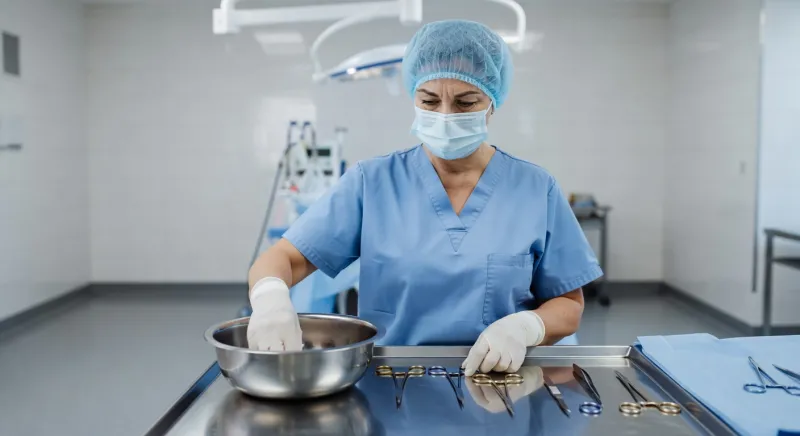
Specializations in healthcare open new doors for nurses and healthcare professionals. These focused areas allow professionals to build expertise in specific fields. Nurses often pursue them to match personal interests with patient needs. The options range from clinical roles to leadership positions.
- Identify personal strengths before selecting a path in specializations in healthcare.
- Review required education and training for each option available to nurses.
- Consider work environment preferences such as hospitals or community settings.
- Explore salary ranges and job demand in chosen areas of focus.
- Connect with mentors who have experience in target specializations.
- Plan certification steps early in the professional development process.
- Evaluate long term career goals against current market trends.
Understanding Specializations in Healthcare
Specializations in healthcare help nurses develop deep knowledge in targeted areas. This focus improves patient outcomes through advanced skills. Professionals in this field know that targeted training leads to better results. Many nurses find greater job satisfaction after choosing a direction.
Entry into these areas usually requires additional coursework or clinical hours. Nursing students benefit from exploring options during their education. Industry experts suggest starting with core nursing experience first. This foundation supports success in any chosen specialization.
Healthcare systems value nurses with specialized training. Such expertise supports team efficiency and quality care. Research indicates growing demand across multiple areas. Nurses who pursue these paths often advance faster in their roles.
Professional development plays a key role in this process. career growth opportunities become more accessible with focused skills. Nurses can align their work with specific patient populations. This alignment creates meaningful daily contributions.
Popular Options for Nurses
Critical care nursing attracts many professionals seeking high impact work. This area involves managing patients with life threatening conditions. Training covers advanced monitoring and rapid response techniques. Nurses in these roles collaborate closely with physicians daily.
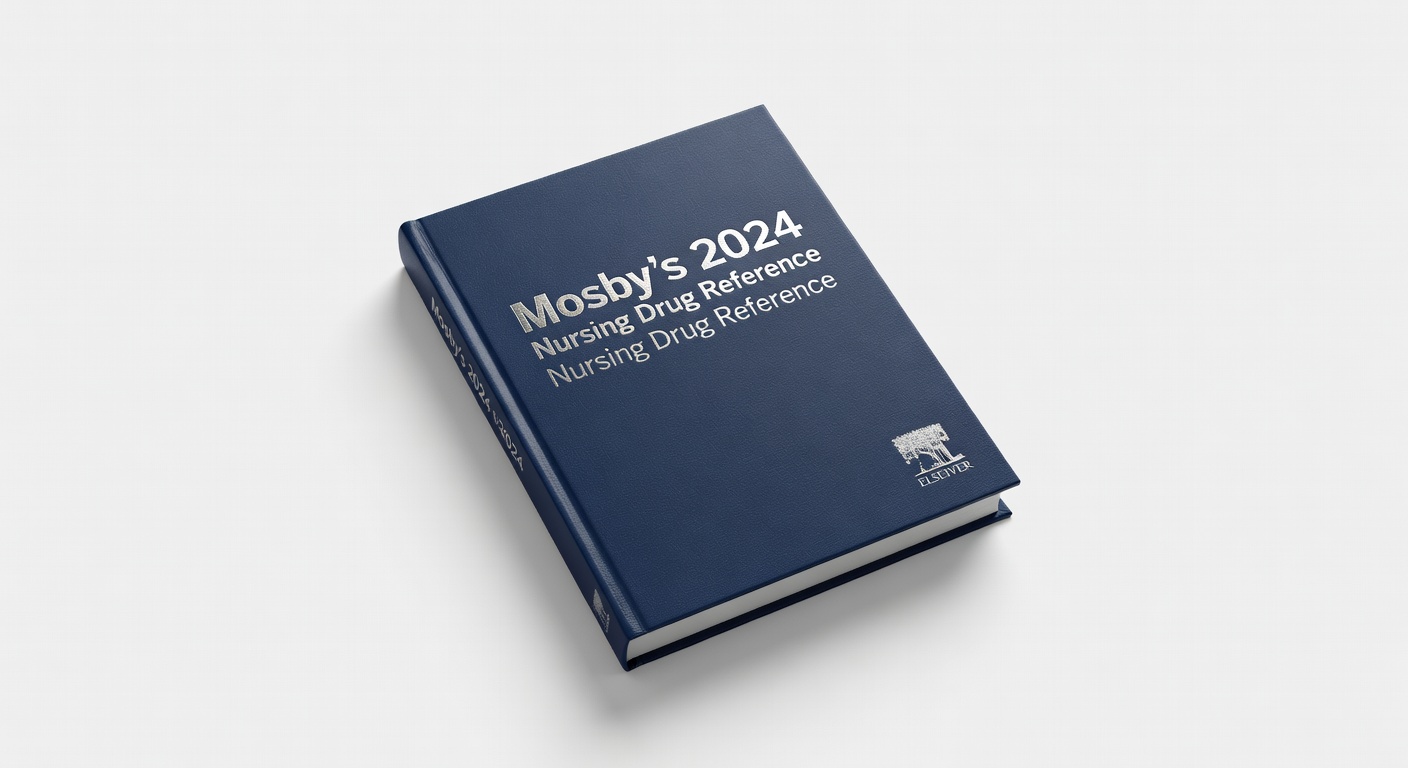
As an Amazon Associate, we earn from qualifying purchases.
Pediatric specialization focuses on care for children from infancy through adolescence. It requires knowledge of developmental stages and family support. Professionals often complete extra rotations in child health settings. This path suits those who enjoy working with younger patients.
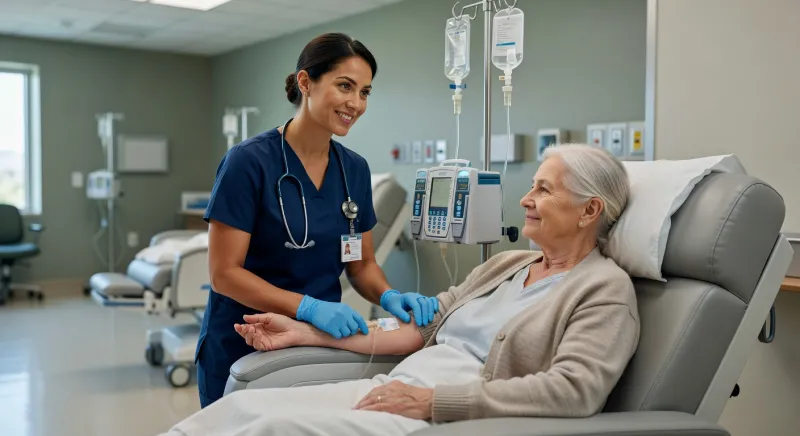
Oncology nursing supports individuals facing cancer diagnoses and treatments. It combines clinical skills with emotional guidance for patients. Certification programs prepare nurses for this demanding yet rewarding field. Many find purpose in helping families through difficult times.
Community health offers another avenue within specializations in healthcare. Nurses work outside hospitals to promote wellness and prevention. This role involves education and outreach in various settings. It appeals to those interested in public health impacts.
How to Choose the Right Path
Nurses should assess their clinical interests and daily preferences first. Some enjoy fast paced environments while others prefer steady routines. Talking with current specialists provides real world insights. This step prevents later career mismatches.
Review job outlooks and required credentials for each option. licensing and certifications often determine entry requirements. Nursing students can shadow professionals to test fit. Early exploration saves time and resources later.
Consider personal values and long term lifestyle goals. Shift work varies across different specializations. Some areas offer more predictable schedules than others. Alignment with family needs matters for sustained success.
Professional organizations provide resources for informed decisions. Guidance from experienced nurses helps clarify options. This support network proves valuable during transitions. Many professionals credit mentors for their choices.
Benefits for Career Growth
Specialized nurses often see increased earning potential over time. Advanced skills lead to higher responsibility positions. Employers seek candidates with proven expertise in key areas. This demand supports stronger negotiation power during hiring.
Job security improves with focused training and credentials. Healthcare needs continue to expand in multiple directions. Nurses with specializations in healthcare stand out in competitive markets. They contribute unique value to their teams.
Personal fulfillment rises when work matches interests closely. Daily tasks feel more purposeful in chosen fields. Many report reduced burnout after finding the right fit. Satisfaction supports long careers in nursing.
Leadership opportunities open more readily for specialized professionals. Advanced roles often require demonstrated expertise first. This progression rewards consistent effort and learning. Career trajectories become clearer with targeted goals.
Challenges and Practical Steps
Additional education can require time and financial investment. Nurses balance these demands with current work schedules. Planning ahead helps manage the process effectively. Many programs offer flexible formats for working professionals.
Emotional demands vary by specialization area. Some fields involve intense patient situations regularly. Self care strategies support sustained performance in these roles. American Nurses Association offers resources on this topic.
Keeping credentials current involves ongoing education requirements. Staying updated ensures continued competence and compliance. Professional networks help share best practices across fields. This collaboration benefits the entire healthcare community.
Transition periods may involve temporary income changes. Careful budgeting supports smooth shifts between roles. Many nurses find the long term rewards justify initial efforts. Support from colleagues eases these adjustments.
Pathways Through Education and Training
Advanced degrees open doors to many specializations in healthcare. Master's programs provide targeted clinical and leadership preparation. Nursing students should explore options during undergraduate studies. Early planning strengthens applications for competitive programs.
Certifications validate skills in specific areas of practice. These credentials often follow supervised clinical experience. Hospitals may support training through tuition assistance programs. Such support reduces barriers for motivated nurses.
Online and hybrid courses increase access for busy professionals. Flexible schedules allow continued employment during study. This approach suits nurses managing family responsibilities too. Many complete requirements without career interruptions.
Global perspectives add value through organizations like World Health Organization. International guidelines inform best practices across borders. Nurses gain broader understanding of health systems worldwide. This knowledge enhances local care delivery.
Frequently Asked Questions
What are the most common specializations in healthcare for new nurses?
New nurses often start in medical surgical or critical care units. These areas build foundational skills quickly. Additional training follows initial experience on the job. Many then move into focused fields like pediatrics or oncology.
How long does it take to complete training for specializations in healthcare?
Training timelines vary by chosen area and prior experience. Most certifications require one to two years of preparation. Advanced degrees extend this period further. Flexible programs help working nurses manage the process.
Do these roles require specific state licenses beyond basic nursing credentials?
These roles build on standard nursing licenses in most cases. Some areas add national certification requirements. State rules differ so professionals check local boards early. Preparation includes both clinical hours and exams.
What salary differences exist across positions in this industry?
Salaries increase with specialization and experience levels. Critical care and oncology roles often pay above average. Location and facility type also influence compensation. Research helps set realistic expectations before committing.
How can nursing students explore this field before graduation?
Students benefit from clinical rotations in varied settings. Mentorship programs connect learners with practicing specialists. Professional events provide networking and information. Early exposure guides better career decisions later.
Final Thoughts
Specializations in healthcare provide meaningful advancement for nurses and healthcare professionals. Focused training builds expertise that improves patient care and career satisfaction. Professionals who plan carefully find rewarding paths aligned with their strengths.
Exploring options early supports informed decisions and smoother transitions. Resources from trusted organizations guide the journey effectively. Taking action today opens doors to future growth in the field.
Nurses ready to advance should review available pathways and connect with mentors. career growth opportunities reward those who invest in targeted development. The right specialization can transform a nursing career for years ahead.