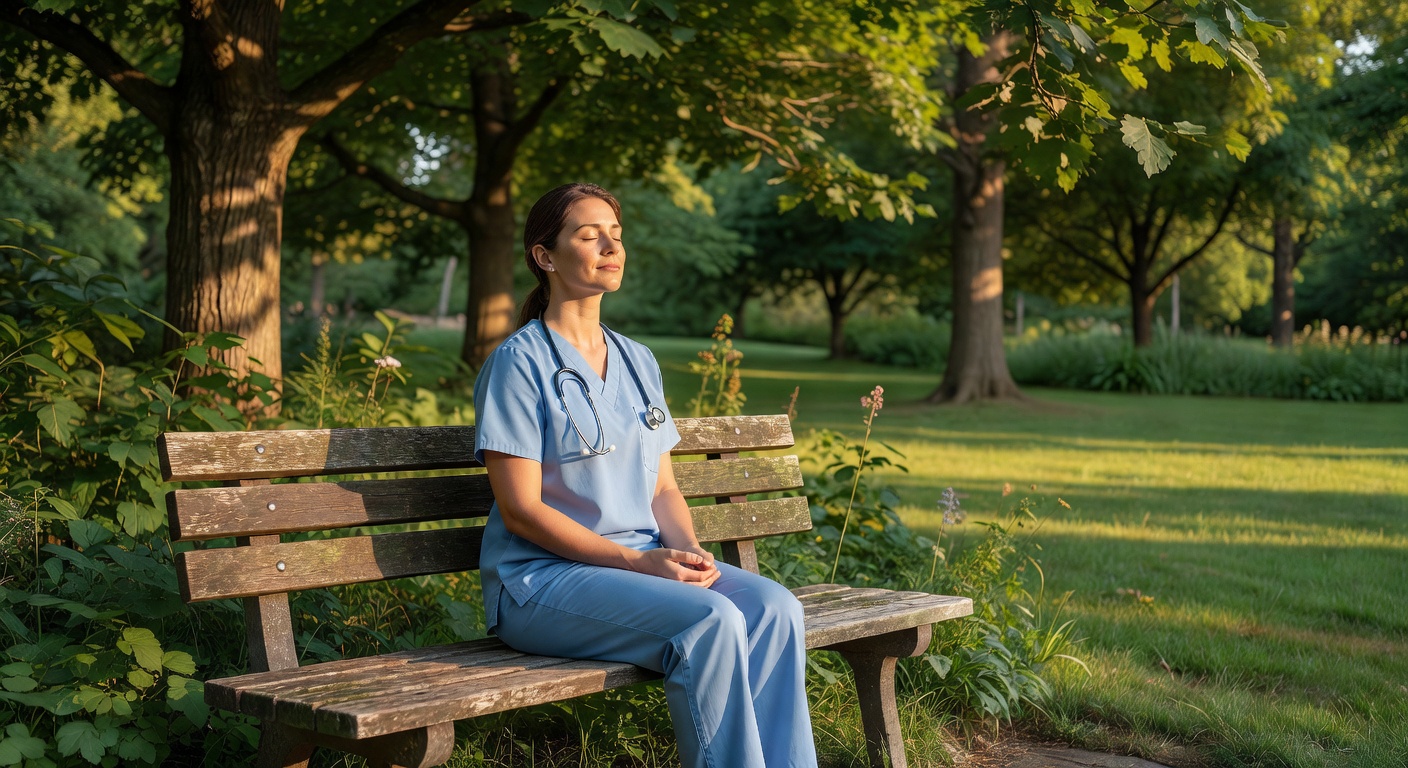
Nursing is a demanding profession that often makes prioritizing self-care as a busy nurse incredibly challenging. As a registered nurse, nursing student, or travel nurse, prioritizing self-care as a busy nurse can feel like an impossible task amidst long shifts, emotional challenges, and constant caregiving. However, maintaining your own well-being is not just a luxury—it’s a necessity to sustain a long and fulfilling career in healthcare. Without intentional self-care, burnout looms large, impacting your mental health, job satisfaction, and ability to provide compassionate care. In this comprehensive guide, we’ll explore actionable strategies to help you balance the demands of nursing with your personal wellness.
Key Takeaways
- Self-care is essential for preventing burnout and sustaining a nursing career.
- Setting boundaries at work protects your mental and physical health.
- Small, consistent self-care practices can fit into even the busiest schedules.
- Support systems, like peers and mentors, are vital for emotional well-being.
- Prioritizing rest and nutrition boosts resilience against stress.
- Professional resources can guide nurses in wellness strategies.
- Self-care enhances job satisfaction and personal fulfillment.
Why Self-Care Matters for Nurses
The nursing profession is inherently tied to caring for others, often at the expense of personal needs. Studies from organizations like the American Nurses Association, accessible at nursingworld.org, highlight that nurses face high rates of stress and burnout due to emotional labor and physical demands. Neglecting self-care can lead to fatigue, decreased focus, and even career dissatisfaction. By prioritizing your well-being, you not only protect yourself but also ensure you can continue to serve patients with empathy and energy.
Self-care isn’t about grand gestures or spa days—it’s about consistent, intentional habits. For busy nurses, this might mean taking five minutes to breathe deeply between shifts or ensuring you’re hydrated during a hectic day. Over time, these small actions compound, building resilience against the unique stressors of healthcare work.

Practical Tips for Self-Care as a Busy Nurse
Finding time for self-care amidst a packed nursing schedule requires creativity and commitment. Start by identifying quick, accessible practices that fit into your routine. For instance, mindfulness exercises can be done during a break, helping to center your thoughts after a tough interaction. Keep a journal to process emotions, especially after challenging shifts, as writing can be a powerful outlet for stress.
Physical wellness is equally critical. Long hours on your feet demand attention to nutrition and rest. Pack healthy snacks to avoid vending machine pitfalls, and prioritize sleep by creating a calming pre-bed routine. Even if you can’t get eight hours, aim for quality rest by minimizing screen time before sleeping. Explore more wellness strategies in our Wellness & Self-Care section for tailored advice.
Setting Boundaries to Protect Your Well-Being
One of the biggest challenges nurses face is saying “no.” Whether it’s picking up an extra shift or staying late to help a colleague, overextending yourself can erode your health. Setting boundaries isn’t selfish—it’s a form of self-preservation. Communicate your limits clearly with supervisors and peers, and don’t feel guilty for prioritizing rest when needed.
Boundaries also apply to emotional labor. Nurses often absorb patients’ and families’ stress, which can weigh heavily. Debriefing with trusted colleagues or seeking professional support can help. For insights on managing workplace dynamics, check out our resources at Workplace & HR. Remember, protecting your energy ensures you can show up as your best self each day.
Building a Support Network for Emotional Health
Nursing can be isolating, especially for travel nurses far from home or students juggling studies and clinicals. A strong support network is a lifeline. Connect with peers who understand the unique challenges of the profession. Join online communities or local nursing groups to share experiences and coping strategies. Our Community & Networking category offers ideas for building these vital connections.
Mentorship is another powerful tool. A seasoned nurse can provide guidance on navigating stress and career growth. Don’t hesitate to seek out mentors through professional organizations or workplace programs. Emotional support from friends and family outside healthcare also helps maintain balance, reminding you of life beyond the hospital walls.
Leveraging Professional Resources for Wellness
Many organizations offer resources specifically for nurse wellness. The National Council of State Boards of Nursing at ncsbn.org provides information on licensing and professional standards, which can reduce career-related stress by clarifying expectations. Additionally, employer-provided programs like employee assistance plans often include counseling or stress management workshops. Take advantage of these benefits—they’re designed to support you.
Professional development can also contribute to self-care. Learning new skills or earning certifications can boost confidence and reduce feelings of stagnation. Explore options in our Licensing & Certifications section to find paths that align with your goals. Investing in your growth is a form of self-care that pays dividends in job satisfaction.
Time Management: Carving Out Moments for Yourself
Effective time management is a cornerstone of self-care for nurses. With unpredictable schedules, especially for travel nurses or those on rotating shifts, planning is key. Use tools like digital calendars to block out personal time, even if it’s just 15 minutes a day for a quiet coffee break. Treat these moments as non-negotiable appointments with yourself.
Delegate when possible, both at work and home. If household chores pile up, consider splitting tasks with family or hiring help if feasible. At work, collaborate with your team to share responsibilities. For more on balancing professional demands, visit our Career Growth resources for actionable tips on managing workload.
Recognizing and Addressing Burnout Early
Burnout is a real risk in nursing, characterized by exhaustion, cynicism, and a sense of inefficacy. Recognizing early signs—such as chronic irritability or dreading shifts—allows you to intervene before it escalates. Step back and assess your workload and emotional state. Are you taking on too much? Are you neglecting rest?
Addressing burnout might mean requesting a lighter schedule temporarily or exploring new roles that align better with your current needs. Soft skills like self-awareness and adaptability are crucial here. Dive deeper into developing these traits in our Soft Skills & Leadership category. Proactive steps can steer you back toward balance. For authoritative guidance, refer to the ARDMS and SDMS websites.
Frequently Asked Questions
How can I find time for self-care with a hectic nursing schedule?
Focus on micro-moments of self-care, like deep breathing during breaks or listening to a podcast while commuting. Schedule small blocks of personal time and treat them as essential.
What are some quick self-care activities for nurses?
Try stretching between tasks, sipping water to stay hydrated, or stepping outside for fresh air. Journaling for five minutes can also help process emotions after a tough shift.
How do I set boundaries without feeling guilty?
Remind yourself that boundaries preserve your ability to care for others. Communicate limits politely but firmly, and seek support from peers who understand the struggle.
Where can I find professional support for nurse wellness?
Check resources from organizations like the American Nurses Association or your employer’s assistance programs. Online communities for nurses also offer peer support.
How does self-care impact my nursing career long-term?
Consistent self-care prevents burnout, enhances job satisfaction, and sustains your energy for patient care. It’s an investment in both personal and professional longevity.
Final Thoughts
Prioritizing self-care as a busy nurse is not just about surviving the demands of the profession—it’s about thriving. By integrating small, intentional habits into your routine, setting boundaries, and seeking support, you can maintain your well-being while continuing to make a difference in patients’ lives. Remember, you deserve the same compassion and care that you extend to others every day.
As you navigate the challenges of nursing, know that resources and communities are available to support you. Whether through professional organizations, workplace programs, or platforms like SocialNetwork4Nurses, you’re not alone in this journey. Commit to self-care today, and watch how it transforms your career and personal life for the better.
Take the first step now—identify one self-care practice to start this week, and build from there. Your health and happiness are worth the effort, and they’re the foundation of a sustainable, fulfilling nursing career.