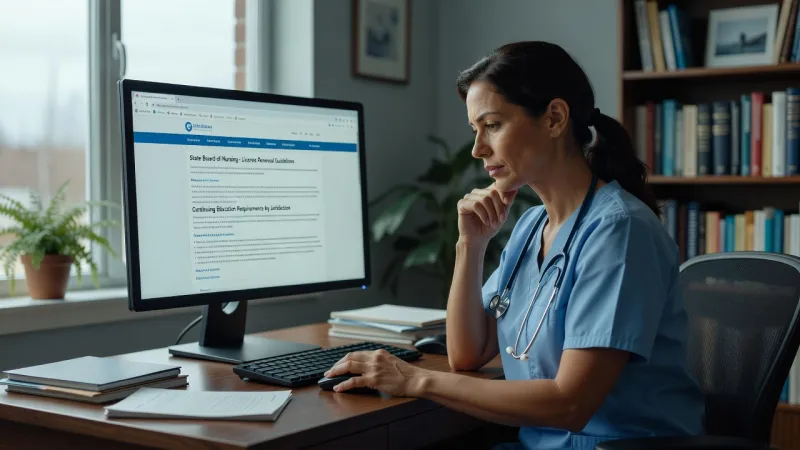
State requirements for educational facilities play a key role in shaping nursing careers. These rules ensure training programs meet quality standards. Nurses and nursing students must understand them. This knowledge supports professional development in healthcare.
- Review state rules before choosing a nursing program.
- Check facility approvals for your career path.
- Connect requirements to your licensing goals.
- Stay updated on changes in healthcare education.
- Use resources from the American Nurses Association for guidance.
- Plan professional development around compliance needs.
- Seek programs that align with workplace standards.
Understanding State Requirements for Educational Facilities
State requirements for educational facilities set basic standards. They cover building safety and program quality. Nursing schools must follow these rules closely. Compliance protects future healthcare workers.
Facilities include classrooms and labs. States inspect them regularly. Nursing students benefit from safe environments. This leads to better learning outcomes.
Rules vary by location. Some states focus on equipment standards. Others emphasize staff qualifications. Professionals in this field know that research indicates clear guidelines improve training.
Nursing careers depend on these foundations. Students should verify approvals early. Industry experts suggest contacting state boards. This step avoids delays in professional development.
Impact on Nursing Education Programs
State rules shape how nursing programs operate. They require specific resources for hands-on training. This affects course availability for students. Healthcare professionals rely on consistent quality.

As an Amazon Associate, we earn from qualifying purchases.
Programs must maintain approved facilities. Inspections check for proper setups. Nursing students gain skills in compliant spaces. Such environments support career growth.
Noncompliance can close programs. This disrupts paths in nursing careers. Always verify status with state agencies. It saves time and effort.
These standards promote safety in healthcare. They prepare graduates for real jobs. Research indicates better facilities lead to skilled nurses. Professionals note the direct link to patient care.
Connection to Licensing and Certifications
State requirements for educational facilities tie into licensing. Approved programs qualify graduates for exams. This process supports nursing careers fully. Healthcare roles often start here.
Certifications build on this base. Facilities must meet extra criteria sometimes. Nursing students plan ahead for these needs. It aids long-term professional development.

Explore licensing details here. Many nurses follow this path. It ensures smooth transitions. Industry experts suggest early preparation.
Compliance opens doors in healthcare. It validates education quality. Students avoid issues by choosing wisely. This field rewards attention to rules.
Professional Development for Healthcare Workers
State requirements for educational facilities influence ongoing growth. They guide advanced training options. Nurses pursue development in approved settings. This builds expertise over time.
Workshops and courses must align with rules. Facilities host many of these sessions. Healthcare professionals benefit from access. It enhances daily practice.
Networking helps navigate these needs. Check career growth resources. Many find support through groups. Research indicates shared knowledge speeds progress.
Development keeps skills current. It meets evolving state standards. Nursing careers thrive with this focus. Professionals in this field know that updates matter.
Best Practices for Compliance
Check state websites often for updates. This habit aids nursing students. Facilities change rules without notice. Stay informed to avoid problems.
Document all training records. It supports applications later. Healthcare roles value proof of compliance. Simple steps prevent issues.
Work with mentors on these topics. They share practical tips. Nursing careers advance with guidance. Industry experts suggest regular reviews.
Adapt plans as needed. Rules support quality education. This leads to stronger healthcare teams. Professionals note the value in preparation.
Resources and Support Options
State agencies provide key details. Contact them for specific questions. Nursing students gain clarity this way. It streamlines career steps.
National groups offer extra help. American Nurses Association shares insights. They cover education standards. Many nurses use these tools.
Global views add context too. World Health Organization discusses training needs. This broadens understanding in healthcare. It aids professional development.
Local networks connect peers. They discuss real experiences. Nursing careers benefit from community input. Always seek reliable sources.
Frequently Asked Questions
What are state requirements for educational facilities in nursing programs?
State requirements for educational facilities cover safety, equipment, and staffing for nursing schools. They ensure programs deliver proper training. Students should verify approvals before enrolling. This step supports smooth entry into healthcare roles. Compliance helps meet licensing needs later.
How do state requirements for educational facilities affect nursing students?
These rules determine which programs qualify for credit and exams. Students check facility status to avoid wasted time. Approved sites offer better hands-on practice. This prepares them for jobs in healthcare. Planning around rules leads to success.
Where can nurses find details on facility approvals by state?
Nurses contact state education boards for lists of approved sites. Online portals often list current status. Checking regularly prevents surprises in career paths. This field values accurate information. Resources from trusted groups help too.
Why must training programs follow these state rules?
Rules protect learners and ensure quality education. They set minimum standards for labs and classrooms. Positions in this industry depend on skilled graduates. Following them builds trust in healthcare. Noncompliance risks program closure.
How often do states update rules for these facilities?
Updates happen based on new safety data or laws. These roles require ongoing awareness from professionals. Checking sources helps adapt quickly. This field changes with healthcare needs. Early action supports steady progress.
Final Thoughts
State requirements for educational facilities guide quality in nursing careers. They support safe training and strong professional development. Nurses benefit from early attention to these details.
Take action by reviewing your state options today. Connect with resources for healthcare growth. This builds a solid foundation in the field.
Explore more through licensing and certifications resources. It aids your next steps in healthcare.