
For nurses, nursing students, and healthcare professionals, advancing a career often means pursuing specialized knowledge. One impactful way to achieve this is by learning how to get specialty certification in nursing. These certifications validate expertise in specific areas like critical care or pediatrics. They also open doors to higher pay and leadership roles in healthcare settings.
- Research certification options relevant to your nursing field or interest.
- Check eligibility requirements for your chosen specialty certification.
- Gain necessary clinical experience before applying for certification.
- Enroll in preparatory courses to boost your knowledge and confidence.
- Schedule and pass the certification exam with thorough preparation.
- Maintain your certification through continuing education and renewals.
- Network with certified peers for support and career advice.
Why Specialty Certifications Matter in Nursing Careers
Specialty certifications are a cornerstone for nurses seeking to stand out in competitive healthcare environments. They signal to employers a deep commitment to a particular field, such as oncology or emergency nursing. This recognition often leads to better job prospects and respect among peers. For nursing students, these credentials lay a foundation for future success.
Moreover, certifications can directly impact patient care quality. Nurses with specialized training are better equipped to handle complex cases. They bring advanced skills to their units, improving outcomes. Hospitals often prioritize certified nurses for promotions or specialized roles.
Beyond personal growth, certifications contribute to the broader healthcare system. They ensure that nurses meet high standards in their practice areas. This builds trust with patients and colleagues alike. Industry experts suggest that certified nurses often inspire others to pursue similar paths.
For those exploring career growth, specialty certifications are a proven strategy. They offer a clear path to differentiate oneself in a crowded field. Nurses with these credentials often report greater job satisfaction. Ultimately, certifications align with long-term professional development goals in nursing.
Steps to Research and Choose the Right Certification
Embarking on the journey of how to get specialty certification in nursing starts with thorough research. Nurses must identify certifications that align with their interests and career goals. Options range from critical care to psychiatric nursing, each with unique benefits. Resources like the American Nurses Association provide detailed lists of recognized programs.
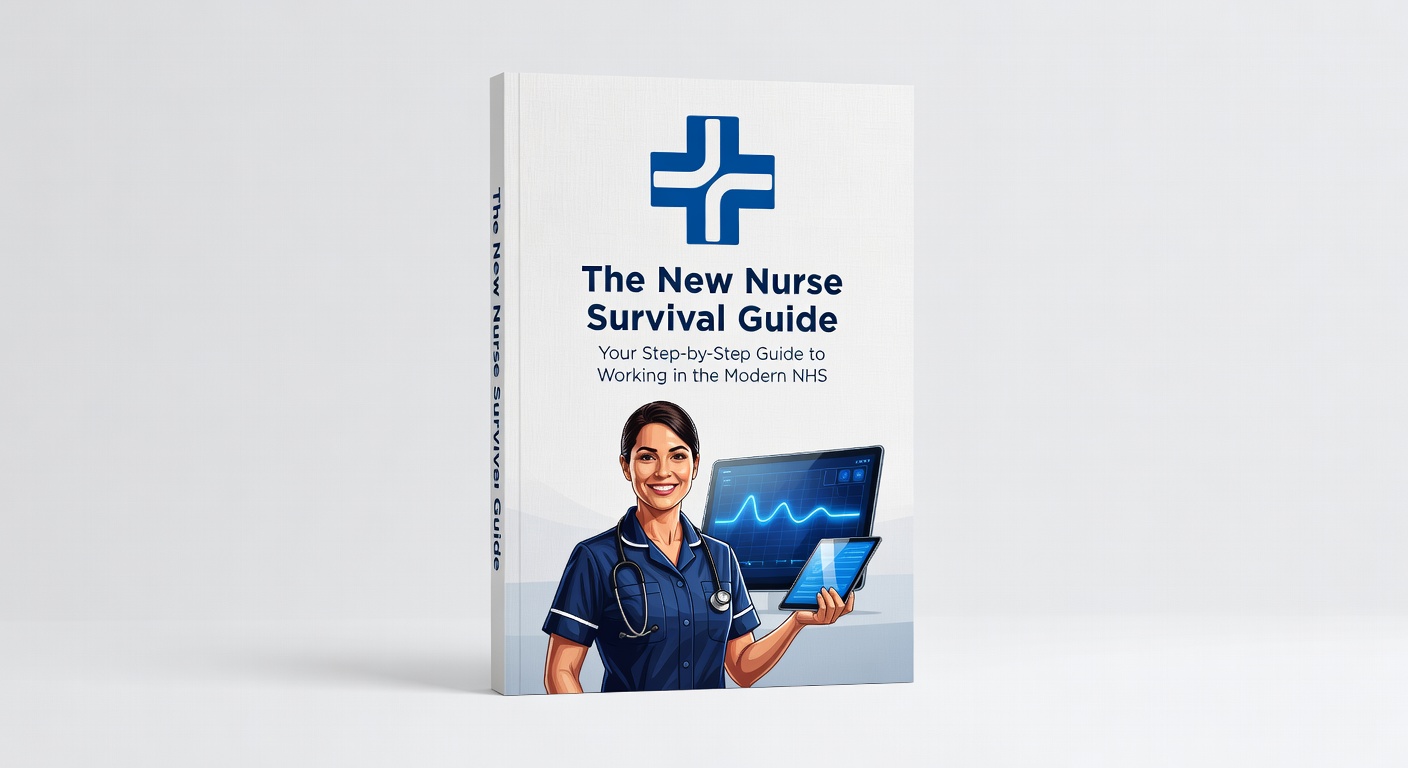
As an Amazon Associate, we earn from qualifying purchases.
Next, consider the specific requirements for each certification. Some demand a certain number of clinical hours in the specialty. Others may require a specific degree or prior experience. Nursing professionals note that understanding these prerequisites prevents wasted time and effort.
As an Amazon Associate, we earn from qualifying purchases.
Additionally, evaluate the certifying organization's reputation and relevance. Look for programs endorsed by credible bodies in healthcare. Speak with colleagues or mentors who hold similar certifications. Their insights can guide nurses toward the most valuable credentials for their careers.
Lastly, assess how the certification fits into long-term plans. Will it open doors to desired roles or settings? Does it align with personal strengths and passions? Taking time to choose wisely ensures that the effort pays off in nursing careers.
Meeting Eligibility and Experience Requirements
Before applying for specialty certification, nurses must meet specific eligibility criteria. Most programs require an active registered nurse (RN) license as a baseline. Some also mandate a bachelor's degree or higher for advanced certifications. Checking these details early avoids delays in the process.

Clinical experience is another critical component of eligibility. Many certifications demand hundreds or thousands of hours in the specialty area. For instance, critical care certification often requires direct patient care experience. Nursing students should plan clinical rotations with future certifications in mind.
Documenting experience accurately is essential for applications. Nurses should keep detailed records of hours worked and roles held. Supervisors or employers may need to verify this information. Staying organized simplifies the path of how to get specialty certification in nursing.
Finally, some certifications have additional prerequisites like specific coursework. Nurses must complete these before sitting for exams. Reaching out to certifying bodies for clarification is wise. This ensures all requirements are met without unexpected hurdles.
Preparing for Certification Exams Effectively
Once eligibility is confirmed, preparation for the certification exam becomes the focus. Nurses should start by obtaining study materials specific to their specialty. Many certifying organizations offer official guides or practice tests. These resources are invaluable for understanding exam formats and content.
Creating a structured study plan is crucial for success. Allocate time each day to review key concepts and terminology. Focus on areas of weakness while reinforcing strengths. Nursing professionals note that consistency in studying yields better results.
Joining study groups or online forums can enhance preparation. Engaging with peers pursuing similar certifications offers support and motivation. Sharing tips and resources builds confidence before the exam. Platforms linked through licensing and certifications often host such communities.
Lastly, simulate exam conditions during practice. Time yourself while answering sample questions to build stamina. Rest well before the test day to stay sharp. Thorough preparation is a key step in how to get specialty certification in nursing.
Maintaining and Renewing Your Certification
After earning a specialty certification, the journey doesn't end. Nurses must maintain their credentials through continuing education units (CEUs). These courses keep skills and knowledge current in evolving healthcare fields. Certifying bodies often specify the number of CEUs required for renewal.
Renewal periods vary by certification, typically every few years. Nurses should mark renewal deadlines on their calendars early. Missing a deadline can result in lapsed credentials, affecting job status. Staying proactive prevents unnecessary stress in professional development.
Some certifications require retesting or proof of ongoing clinical practice. Nurses must track their hours and document relevant activities. Engaging with professional organizations can provide access to renewal resources. The World Health Organization often highlights the importance of lifelong learning in healthcare.
Finally, view maintenance as an opportunity for growth. Seek CEUs that expand expertise beyond basic requirements. Attend workshops or conferences to network and learn. This approach ensures certifications remain a valuable asset in nursing careers.
Benefits of Specialty Certifications for Healthcare Professionals
Specialty certifications offer numerous advantages for nurses and healthcare professionals. They often lead to higher salaries due to recognized expertise. Employers value certified nurses for their dedication and skill. This financial incentive is a key motivator for many in the field.
Certifications also enhance job security and mobility. Nurses with specialized credentials are in high demand across various settings. They can transition between roles or locations with ease. This flexibility is crucial in dynamic healthcare environments.
Additionally, certified nurses often gain access to leadership opportunities. They are seen as experts capable of mentoring others. This positions them for roles like charge nurse or educator. Industry experts suggest that certifications build a foundation for long-term advancement.
Finally, the personal satisfaction of achieving certification cannot be overlooked. It validates years of hard work and dedication. Nurses report a sense of pride in their specialized knowledge. Pursuing how to get specialty certification in nursing truly transforms careers.
Frequently Asked Questions
How do I know which nursing specialty certification is right for me?
Choosing the right certification starts with assessing your interests and career goals. Reflect on the patient populations or settings that inspire you most. Research certifications that align with those areas, such as pediatrics or emergency care. Speak with mentors or colleagues who hold similar credentials for real-world insights.
Consider the job market demand for specific specialties in your region. Look at eligibility requirements to ensure they match your experience level. Explore resources from professional organizations for detailed guidance. Finally, think about long-term growth and whether the certification supports your vision.
What are the costs associated with getting a nursing certification?
The costs of obtaining a specialty certification can vary widely based on the program. Exam fees often range from a few hundred to over a thousand dollars. Study materials, preparatory courses, and travel to testing centers add to expenses. Some employers may offer reimbursement, so check with your workplace.
Continuing education units for maintenance also involve costs over time. Budgeting for these expenses ensures financial readiness. Look for scholarships or grants from nursing associations if needed. Planning ahead reduces stress during the process.
How long does it take to get specialty certification in nursing?
The timeline for earning a certification depends on several factors, including eligibility. Gaining required clinical hours can take months or years for some specialties. Study preparation often spans several weeks to months, based on individual pace. Once ready, scheduling and passing the exam adds a few weeks.
Overall, the process might take anywhere from six months to multiple years. Nurses with prior experience may complete it faster. Staying organized and focused shortens the duration. Commitment is key to achieving these credentials efficiently.
Can nursing students pursue specialty certifications before graduating?
Nursing students typically cannot pursue specialty certifications before graduating. Most programs require an active RN license as a prerequisite. However, students can prepare by focusing on relevant clinical rotations. Building experience in desired areas sets a strong foundation for future applications.
Some certifications offer student resources or preparatory materials to explore early. Engaging with professional networks can provide guidance for post-graduation steps. After licensure, students can dive into how to get specialty certification in nursing. Early planning pays off in this competitive field.
Advisors often recommend waiting until after gaining initial work experience. This ensures readiness for the rigors of specialized training. Patience and strategic planning lead to success in these roles.
Are online courses enough to prepare for nursing certification exams?
Online courses can be a valuable part of preparing for certification exams. They offer flexibility for busy nurses balancing work and study. Many provide comprehensive content aligned with exam topics. However, they should complement hands-on practice and other resources.
Supplement online learning with study guides and practice tests from certifying bodies. Join forums or study groups for peer support and additional insights. Relying solely on online courses may not cover all practical skills needed. Combining multiple methods ensures thorough readiness for positions in this industry.
Final Thoughts
Navigating how to get specialty certification in nursing is a transformative step for healthcare professionals. It requires dedication, research, and strategic planning to achieve and maintain these credentials. The benefits, from career advancement to personal fulfillment, make the effort worthwhile. Nurses and nursing students can position themselves as leaders through specialized expertise.
Start today by exploring options that resonate with your career aspirations. Leverage resources and communities found in areas like soft skills and leadership to build a strong foundation. Every step forward enhances skills and opens new doors in healthcare.
Commitment to professional development shapes the future of nursing. Take action now to elevate your career with a specialty certification. The journey promises growth and impact in patient care.