
For nurses, nursing students, and healthcare professionals, advancing in the field often means pursuing specialty certifications for nurses. These credentials validate expertise in specific areas of care. They also open doors to new roles and higher salaries. This article dives into the importance of these certifications and how they shape healthcare careers.
- Earn specialty certifications to stand out in nursing roles.
- Boost job prospects with credentials in high-demand areas.
- Increase earning potential through specialized expertise.
- Enhance patient care with advanced skills and knowledge.
- Choose certifications aligned with personal career goals.
- Stay competitive in the evolving healthcare industry.
- Network with peers through certification programs and events.
Why Specialty Certifications Matter in Nursing
Specialty certifications for nurses are more than just credentials. They signify a commitment to excellence in patient care. For nurses, these certifications build confidence in handling complex cases. They also show employers a dedication to professional growth.
In the healthcare field, certified nurses often gain a competitive edge. Hospitals and clinics value specialized skills in critical areas. This can lead to promotions or leadership roles. Certifications also help nurses stay updated on best practices.
For nursing students, starting with a certification goal is smart. It provides direction early in their careers. Many programs offer foundational knowledge for future specialties. This sets them apart when entering the workforce.
Industry experts suggest that certifications improve job satisfaction. Nurses feel more fulfilled when mastering a niche. This also benefits patients through better outcomes. Explore more on advancing skills at Career Growth for Nurses.
Popular Specialty Certifications for Nurses
Nurses have many options when choosing specialty certifications. Critical Care Nursing (CCRN) is a top choice for intensive care roles. It focuses on managing life-threatening conditions. This certification suits those thriving in high-pressure settings.
As an Amazon Associate, we earn from qualifying purchases.
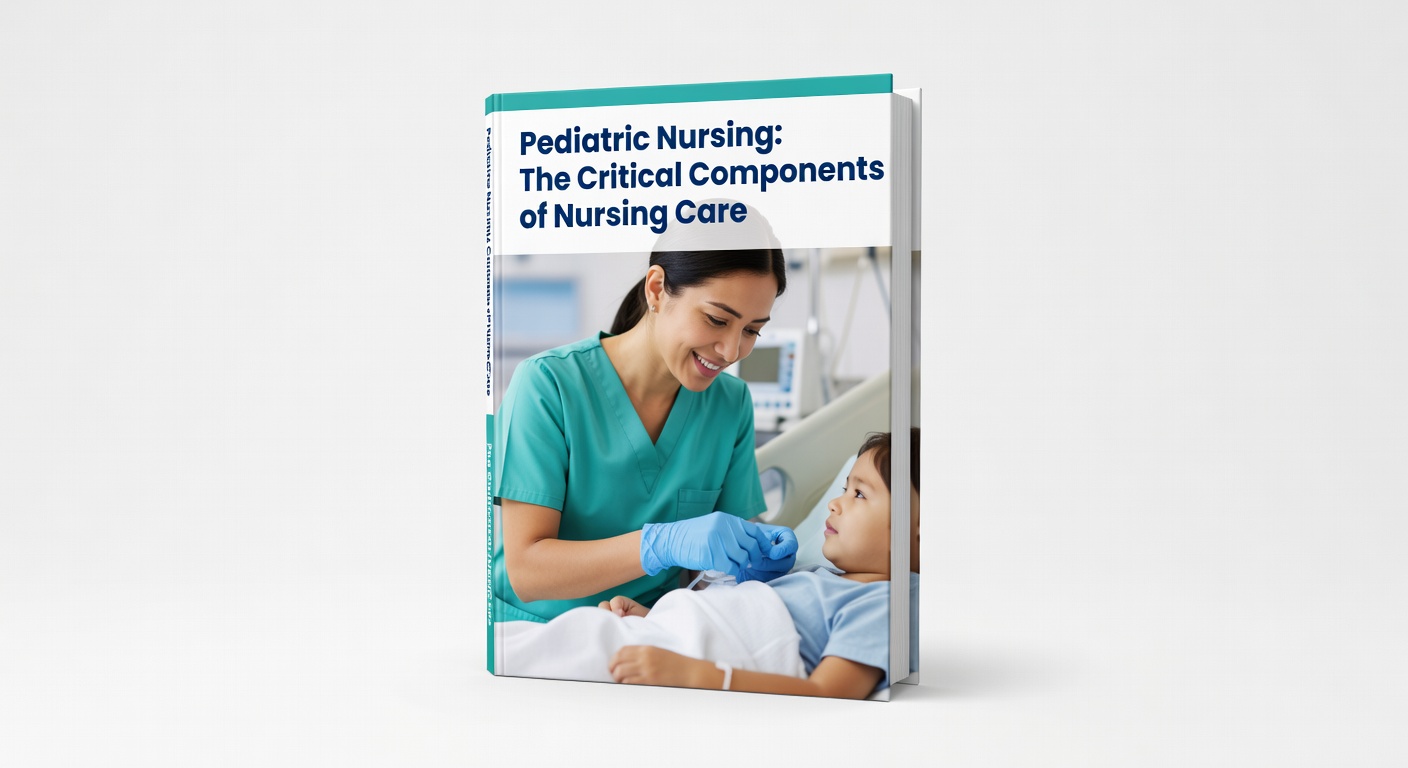
Another popular option is Certified Pediatric Nurse (CPN). This targets nurses working with children and adolescents. It covers developmental care and family support. Pediatric nurses with this credential often report higher job fulfillment.
As an Amazon Associate, we earn from qualifying purchases.
Oncology Certified Nurse (OCN) is vital for cancer care specialists. It emphasizes treatment plans and patient education. Nurses in this field play a key role in support. This certification is ideal for those passionate about oncology.
Certified Nurse Midwife (CNM) appeals to those in maternal health. It includes skills for childbirth and women's care. This role blends nursing with advocacy. Nurses can learn more about credentials at Licensing and Certifications.
Benefits of Pursuing Specialty Certifications
Specialty certifications for nurses bring numerous career advantages. They often lead to higher pay and better positions. Employers recognize the value of specialized training. This can result in faster career progression.
Beyond financial gains, certifications enhance clinical skills. Nurses gain deeper knowledge in their chosen field. This translates to improved patient trust and safety. It also builds credibility among peers.

For healthcare professionals, certifications offer flexibility. They allow nurses to shift into diverse roles. This adaptability is key in a dynamic industry. Many certified nurses report greater job security.
Networking is another hidden benefit of certification programs. Nurses connect with like-minded professionals during training. These relationships can lead to mentorship or job offers. The American Nurses Association offers resources for certification support.
How to Choose the Right Certification
Selecting the right specialty certifications for nurses requires careful thought. Start by assessing personal interests and strengths. Nurses should consider areas they are passionate about. This ensures long-term engagement and success.
Next, research the demand for specific certifications. Some fields, like critical care, have growing needs. Others may be more niche but rewarding. Matching career goals with market trends is crucial.
Consider the time and cost of certification programs. Some require extensive study or clinical hours. Nurses must balance these with work and life. Planning ahead prevents burnout during the process.
Finally, seek advice from experienced colleagues. Mentors can provide insight into valuable certifications. Online forums and professional groups are also helpful. Resources from World Health Organization highlight global nursing trends.
Steps to Obtain Specialty Certifications for Nurses
Getting specialty certifications for nurses starts with eligibility checks. Most programs require an active RN license. Some also need specific clinical experience. Nurses must verify these prerequisites before applying.
Once eligible, select an accredited certification body. These organizations ensure quality and recognition. Researching their reputation is a vital step. Nurses should avoid unverified or outdated programs.
Prepare for the certification exam with study materials. Many nurses join prep courses or study groups. Practice tests help identify weak areas. Consistent preparation boosts confidence for success.
After passing, maintain the certification through renewal. This often involves continuing education credits. Staying updated ensures relevance in the field. Nurses should track renewal deadlines to avoid lapses.
Challenges and Solutions in Certification Pursuit
Pursuing specialty certifications for nurses can present challenges. Time constraints often top the list for busy professionals. Balancing work, study, and personal life is tough. Many nurses struggle to find study hours.
Financial costs are another hurdle to overcome. Certification exams and prep courses can be expensive. Some nurses lack employer support for funding. This can delay or deter their plans.
Solutions include seeking flexible study options. Online courses allow learning at one's own pace. Nurses can also explore scholarships or grants. These reduce the financial burden significantly.
Support from peers helps tackle emotional stress. Joining study groups fosters motivation and accountability. Employers may offer time off for exams. Persistence and planning make certification achievable for all.
Frequently Asked Questions
What are the best specialty certifications for nurses?
Finding the best specialty certifications for nurses depends on career goals. Critical Care (CCRN), Pediatric (CPN), and Oncology (OCN) are highly valued. Each focuses on a unique patient population or skill set. Nurses should align certifications with their passions. Researching job demand in specific areas helps too. Consulting with mentors can guide the decision.
How long does it take to get a nursing specialty certification?
The timeline for earning specialty certifications for nurses varies by program. Most require 6 months to 2 years of preparation. This includes study time and clinical hours. Some nurses take longer if working full-time. Setting a realistic schedule is key. Dedication and consistent effort speed up the process.
Are specialty certifications worth it for career growth?
Absolutely, these roles are a powerful boost for career advancement. They open doors to higher-paying positions and leadership opportunities. Nurses with certifications often gain respect from peers. Hospitals prefer certified staff for specialized units. Investing in this path shows commitment. It's a strategic move for long-term success.
How much do certification programs for nurses cost?
Costs for programs in this field range widely, often between $200 and $1,000. Exam fees, study materials, and courses add up quickly. Some employers offer reimbursement or partial funding. Nurses can also look for scholarships. Budgeting ahead eases the financial strain. Exploring affordable options ensures accessibility.
Can nursing students pursue specialty certifications early?
Yes, nursing students can prepare for positions in this industry before graduating. Many start by researching requirements during school. Some certifications allow application after RN licensure. Early planning helps them hit the ground running. Students should focus on relevant coursework. Guidance from professors can shape their path.
Final Thoughts
Specialty certifications for nurses are a cornerstone of professional growth. They equip nurses with skills to excel in niche areas. For nursing students and healthcare professionals, these credentials pave the way for rewarding careers. The benefits, from higher pay to better patient care, are undeniable.
Take the first step by researching certifications that match your goals. Connect with peers and mentors for support. Explore resources at Soft Skills and Leadership to build complementary strengths. Commitment to lifelong learning transforms nursing careers.
The healthcare field thrives on dedicated, skilled professionals. Certifications ensure nurses remain at the forefront of care. Start your journey today and make an impact tomorrow.