
For nurse practitioners seeking to elevate their expertise in healthcare, specialty certifications for nurse practitioners offer a powerful pathway. These credentials validate advanced skills in specific areas of care. They also open doors to new roles and higher earning potential. This article, filed under 'Specialty Certifications,' dives deep into why these certifications matter for nursing professionals and students.
- Specialty certifications validate expertise in niche areas of healthcare for nurse practitioners.
- They enhance job prospects and salary potential in competitive nursing fields.
- Certifications demonstrate commitment to professional growth and patient care quality.
- Many specialties align with personal interests, making work more fulfilling.
- Researching certifying bodies ensures credibility and recognition in the industry.
- Preparation for exams often involves practical training and study resources.
- Networking with certified peers can provide support during the process.
Why Specialty Certifications Matter for Nurse Practitioners
Specialty certifications for nurse practitioners are more than just credentials. They signify a commitment to excellence in healthcare. These certifications allow professionals to focus on areas like pediatrics or oncology. This focus builds trust with patients and employers alike.
Nursing professionals note that certifications often lead to career advancement. They can qualify practitioners for leadership roles in hospitals. Certified nurse practitioners may also work in specialized clinics. This recognition sets them apart in a competitive field.
For nursing students, pursuing these certifications early can shape career paths. Planning for a specialty during education offers a clear goal. It also helps in selecting relevant clinical rotations. Early focus can ease the transition to practice.
Industry experts suggest that certifications improve patient outcomes too. Specialized knowledge ensures better diagnosis and treatment plans. Patients often feel more confident with certified providers. Thus, these credentials benefit both career and community.
Popular Types of Specialty Certifications for Nurse Practitioners
Nurse practitioners can choose from a wide range of specialty certifications. Each focuses on a unique area of healthcare delivery. Options include family care, acute care, and psychiatric health. Selecting the right one depends on career goals.
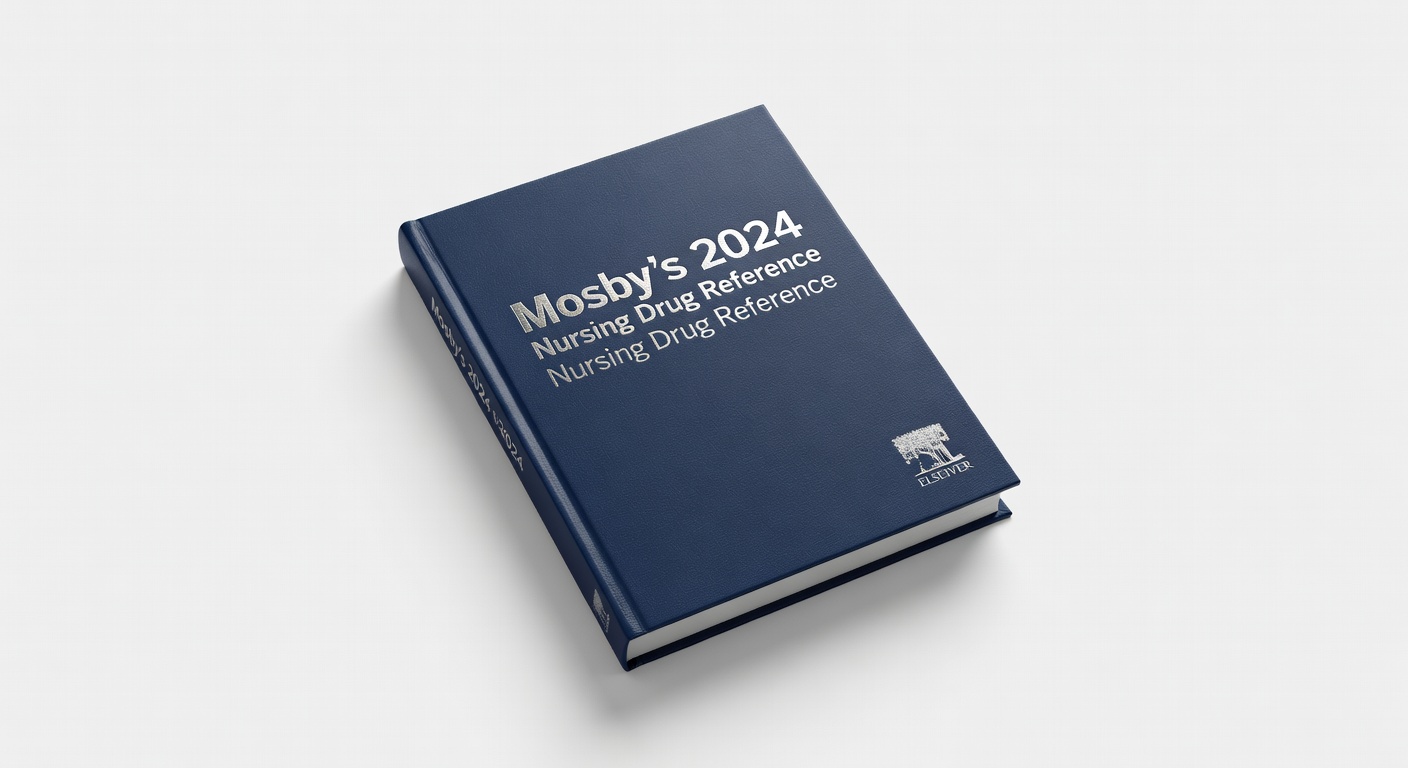
As an Amazon Associate, we earn from qualifying purchases.
Family nurse practitioner certification is among the most sought-after. It prepares professionals for primary care across all ages. This versatility suits many healthcare settings like clinics. It's ideal for those who enjoy varied patient interactions.
As an Amazon Associate, we earn from qualifying purchases.
Acute care certification targets high-intensity environments like emergency rooms. It equips nurse practitioners for critical situations. Skills learned include managing complex conditions under pressure. This path suits those thriving in fast-paced roles.
Psychiatric-mental health certification addresses growing mental health needs. It trains practitioners to support emotional and psychological well-being. This specialty is vital in today's healthcare landscape. Nurse practitioners in this area make a profound impact.
Benefits of Earning Specialty Certifications in Healthcare
Specialty certifications for nurse practitioners bring numerous professional benefits. They enhance credibility in specific medical fields. Employers often prefer certified candidates for specialized roles. This edge can accelerate career progression.
Financially, certifications often lead to higher salaries. Certified nurse practitioners may earn more than non-certified peers. This reflects the value of advanced expertise. It's a strong incentive for many in nursing.

Certifications also foster personal satisfaction in healthcare careers. Mastering a specialty builds confidence in patient care. Nurse practitioners often feel more fulfilled in their roles. This emotional reward is significant for long-term commitment.
Additionally, certifications connect professionals to broader networks. Engaging with peers through certifying organizations offers support. Resources from groups like the American Nurses Association can guide the journey. Such connections enrich professional development.
Steps to Obtain Specialty Certifications for Nurse Practitioners
Securing specialty certifications for nurse practitioners requires a structured approach. The first step is identifying a desired specialty. Researching patient populations and work settings helps narrow choices. Personal passion should guide this decision.
Next, professionals must meet educational and clinical requirements. Most certifications demand a master's or doctoral degree. Specific coursework or hours in the specialty are often needed. Checking prerequisites with certifying bodies is essential.
Preparing for certification exams is a critical phase. Study materials and practice tests are widely available. Many nurse practitioners join study groups for support. Dedication during this stage ensures success on exam day.
Finally, maintaining certification involves ongoing education. Renewal often requires continuing education credits. Staying updated on healthcare trends is vital. Resources from Licensing and Certifications can help with this process.
Challenges in Pursuing Specialty Certifications
Pursuing specialty certifications for nurse practitioners comes with challenges. Balancing study with work is often difficult. Full-time nursing roles leave little time for preparation. This strain can test even dedicated professionals.
Financial costs are another hurdle for many. Exam fees and study materials add up quickly. Some employers offer support, but not all do. Budgeting for these expenses requires careful planning.
Emotional stress can also impact the certification journey. Fear of failure looms large during preparation. Nurse practitioners may doubt their readiness for exams. Support from peers can ease this burden significantly.
Despite challenges, the rewards are worth the effort. Overcoming obstacles builds resilience in healthcare careers. Certified professionals often inspire others to follow suit. Guidance from Career Growth resources can provide motivation.
How Certifications Impact Global Healthcare Standards
Specialty certifications for nurse practitioners influence healthcare on a global scale. They ensure consistent standards across diverse regions. Certified professionals deliver care aligned with best practices. This consistency benefits patients everywhere.
Organizations like the World Health Organization emphasize specialized training. Such credentials address critical health challenges worldwide. Nurse practitioners with certifications tackle issues like chronic diseases. Their expertise supports international health goals.
In underserved areas, certified professionals make a difference. They bring advanced care to remote communities. This reduces disparities in healthcare access. Their skills improve outcomes in vulnerable populations.
For nursing students, global impact offers inspiration. Choosing specialty certifications can align with humanitarian goals. It positions them to contribute meaningfully. Certifications thus elevate both local and global care standards.
Frequently Asked Questions
What are the best specialty certifications for nurse practitioners?
The best specialty certifications for nurse practitioners depend on individual career goals and interests. Family nurse practitioner certification is popular for its versatility in primary care. Acute care certification suits those drawn to high-stakes environments like ICUs. Psychiatric-mental health certification meets rising demand for mental health expertise. Researching job markets and personal passions helps in choosing. Consulting with mentors can also clarify the right path.
How long does it take to get certified in a nursing specialty?
The timeline for specialty certifications for nurse practitioners varies by program and prior experience. Most require a master's or doctoral degree, taking 2-4 years if not already completed. Additional clinical hours in the specialty may add months to the process. Exam preparation can take 3-6 months of focused study. Overall, the journey might span 2-5 years depending on starting point. Commitment and planning shorten this duration for many.
Are specialty certifications worth the cost for nurse practitioners?
Yes, pursuing these roles often proves worth the investment for nursing professionals. The cost of exams and materials can range from hundreds to thousands of dollars. However, higher salaries and better job opportunities often offset expenses. Many employers value certified practitioners and may offer financial support. Personal fulfillment and improved patient care add intangible value. Weighing costs against long-term career benefits is key.
Can nursing students start preparing for specialty certifications early?
Absolutely, nursing students can lay groundwork for positions in this industry during their education. Selecting relevant electives and clinical rotations builds early expertise. Networking with certified professionals offers insights into the process. Researching certifying bodies helps in understanding requirements ahead of time. Early preparation reduces stress after graduation. It also positions students as competitive candidates upon entering the workforce.
How do certifications affect job prospects for nurse practitioners?
Certifications significantly boost job prospects for professionals in this field. They signal advanced skills to employers, often leading to specialized roles. Certified practitioners may access positions in niche clinics or leadership tracks. Many healthcare facilities prefer or require certification for certain jobs. This credential can also expand opportunities in education or research. Overall, it creates a distinct advantage in a crowded job market.
Final Thoughts
Specialty certifications for nurse practitioners stand as a cornerstone for advancing healthcare careers. They offer a clear path to expertise, better pay, and personal fulfillment. Nursing professionals and students alike benefit from the structure these credentials provide. The journey, though challenging, equips practitioners to meet diverse patient needs.
Embarking on this path requires dedication and strategic planning. Nurse practitioners should explore specialties that resonate with their goals. Taking action today by researching options at Licensing and Certifications can set the stage for success. The impact of certification extends beyond individual careers to global health standards.
Ultimately, the pursuit of specialty certifications shapes the future of nursing. It fosters a culture of excellence in healthcare. Professionals are encouraged to take the leap and transform their practice.